She answers questions from La Gazette du Var.
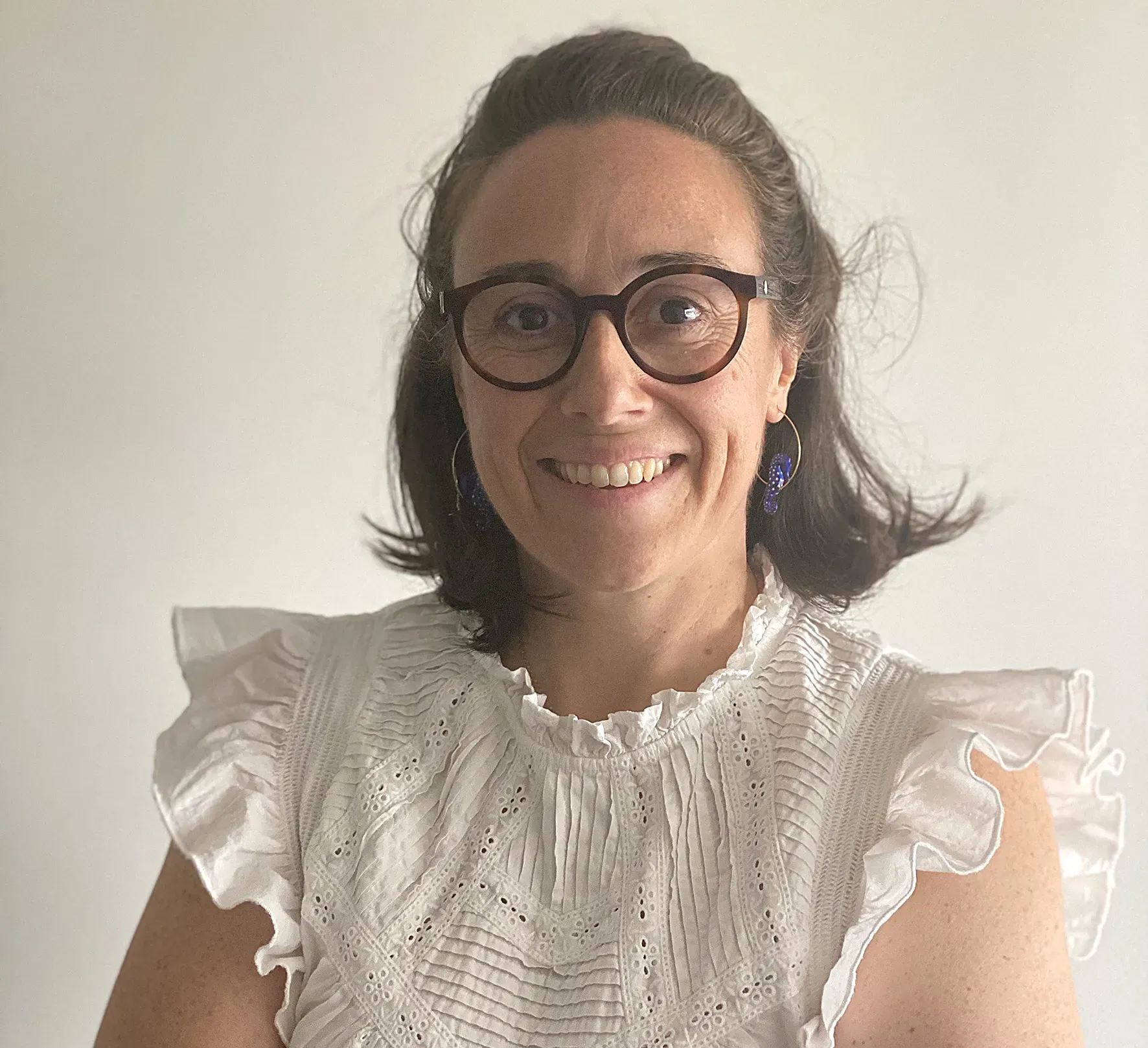
Before building a communication strategy for a construction site as long as the widening of the A57 to 3 lanes and 7 kilometers in the toulonnais urban environment with very heavy traffic, what was your initial approach?


Started in 2017, well ahead of the actual start of the works, with a strong conviction: before writing a communication plan, we had to get to know the territory. So we met with elected officials, associations, shopkeepers, local residents... everyone who makes up the local fabric. It was only after this listening phase that we were able to build a tailored strategy, differentiated according to our audiences, and above all, credible.
Was this strategy adjusted as the construction progressed?
Advertisement
Absolutely. It was not a fixed plan over four years. We worked in six-month cycles, to be able to remain reactive, particularly in the face of the technical hazards of the construction site. A rigid communication would have been counter-productive... pages in the site journal, radio spots on 107.7 FM in particular, with local cut-ins, and above all, liaison agents positioned across the entire perimeter of the construction site. Each week, we held a meeting to inform them of the upcoming steps. They were on the ground to answer local residents, sometimes on very concrete points, sometimes more sensitive ones. It was about being accessible, educational, and close. We had
Did you have to manage unexpected situations?
Yes, particularly around night-time intrusions onto the site. Some motorists moved the markings to save a few minutes... with all the risks that entails. So we ran targeted prevention campaigns. Same to explain why the speed was limited, or how the palm trees had been transplanted and not destroyed. It took a lot of pedagogy, on all fronts.
And on a human level, how did you personally experience this construction site?
It was an exceptional adventure. I followed this project from the beginning to its inauguration. I saw it being born, evolving, transforming. It was a living, bustling, and above all, extremely human site. The bonds formed with my colleagues, with the technical teams, sometimes with local residents... these are things that mark you deeply.
Did this experience change you?
Yes, deeply. Because there was no stifling hierarchy. Everyone had their place, their mission, their space to speak. I was lucky to work with a very attentive director, Salvador Nunez, who has always championed the idea that a project of this scale cannot be carried out without real attention to people. We don't just build kilometers of asphalt. We also weave bonds, we create relationships.
The inauguration was very powerful emotionally, wasn't it?
Advertisement
Oh yes... Preparing a ministerial visit, welcoming the president, the director general of VINCI, the president of Vinci Autoroutes, all the teams, the external guests, thinking of every detail, producing a construction site film....
And on a personal level, wasn't it too demanding?
I worked on this site with my partner, which was a first. But we always knew how to keep things separate. At the office, we were colleagues first and foremost. And at home, we maintained our family life as usual. We talked very little about the construction site. And then, all those moments shared on this site and within our team created strong bonds. Friendships were forged. It's not every day that you live an adventure of this intensity. •
Interview conducted by Pierre BEGLIOMINI Photos VINCI Autoroutes - Jean-Philippe Moulet.