Foot soldiers with their feet in the Mediterranean
On February 4, a strike force of Corrèze foot soldiers and sailors took over the Var coastline for a spectacular dress rehearsal before...
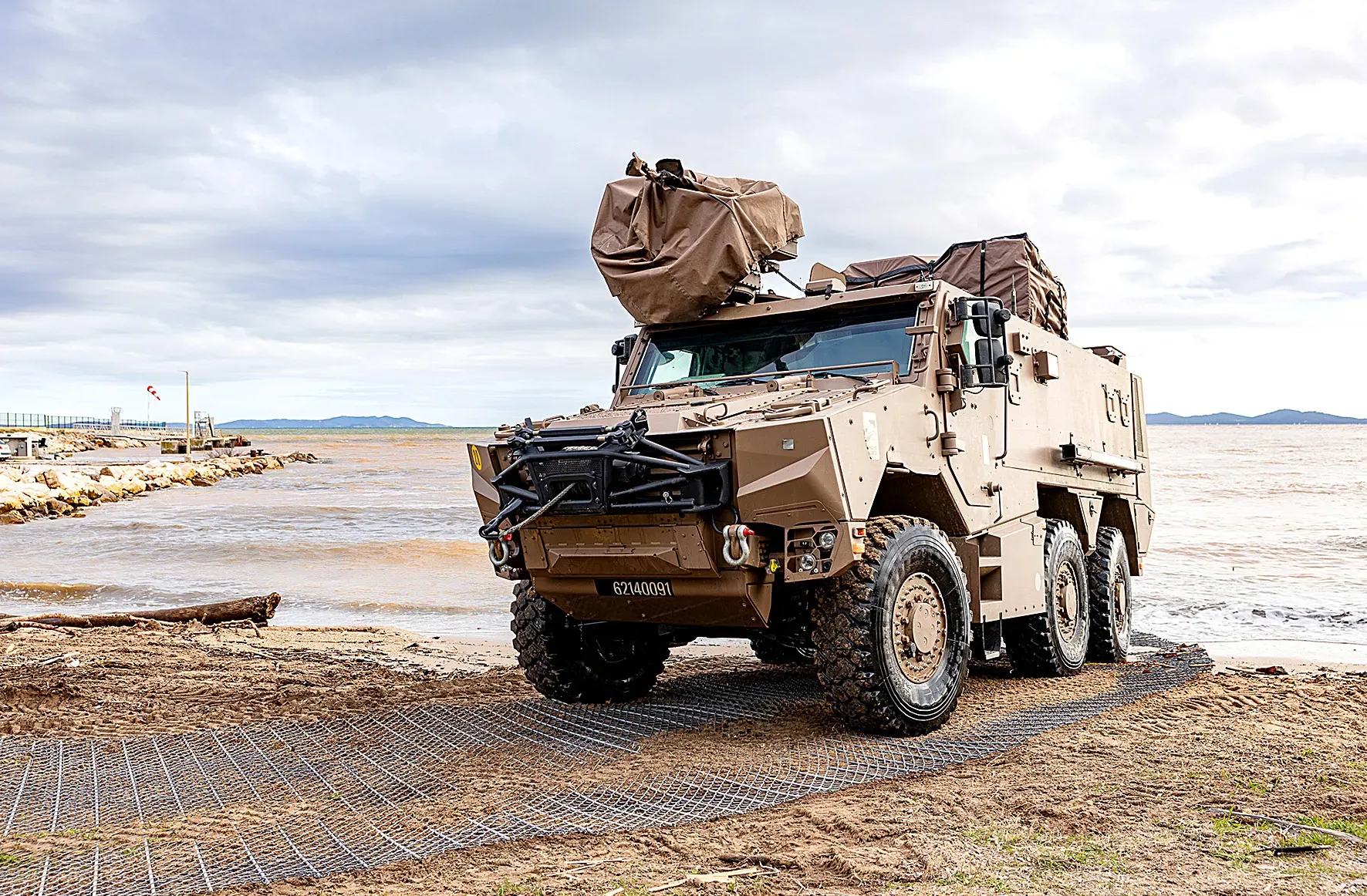
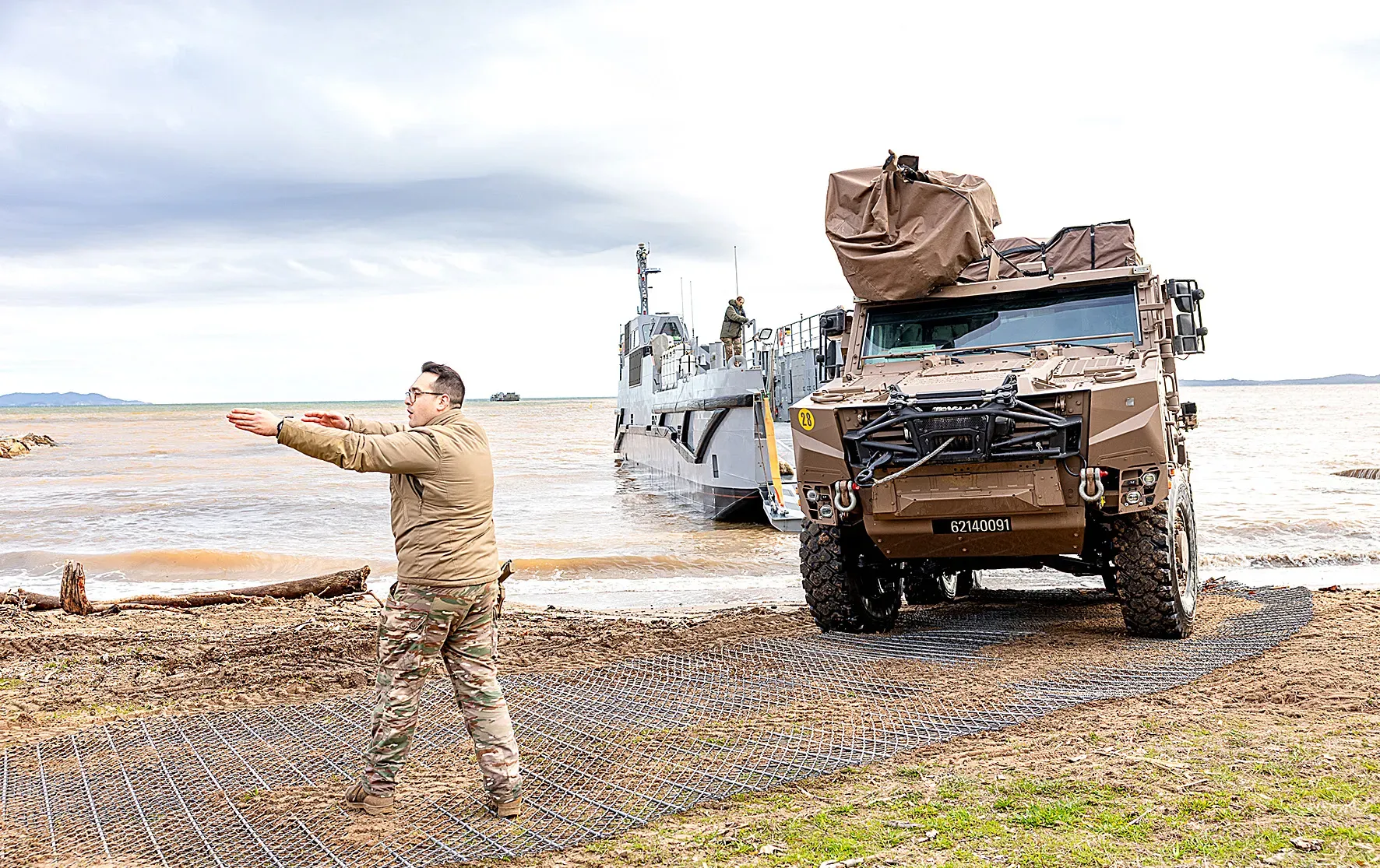
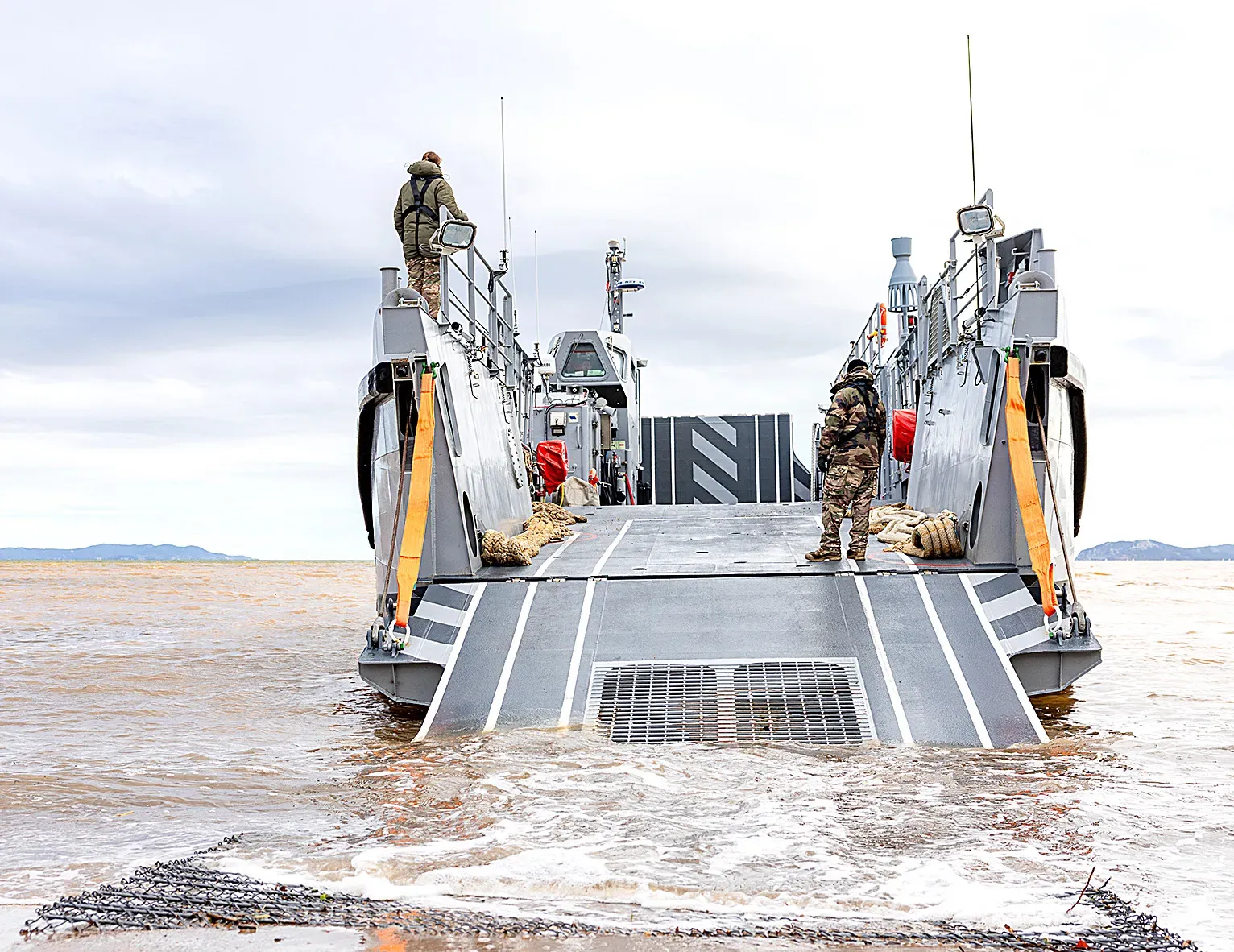
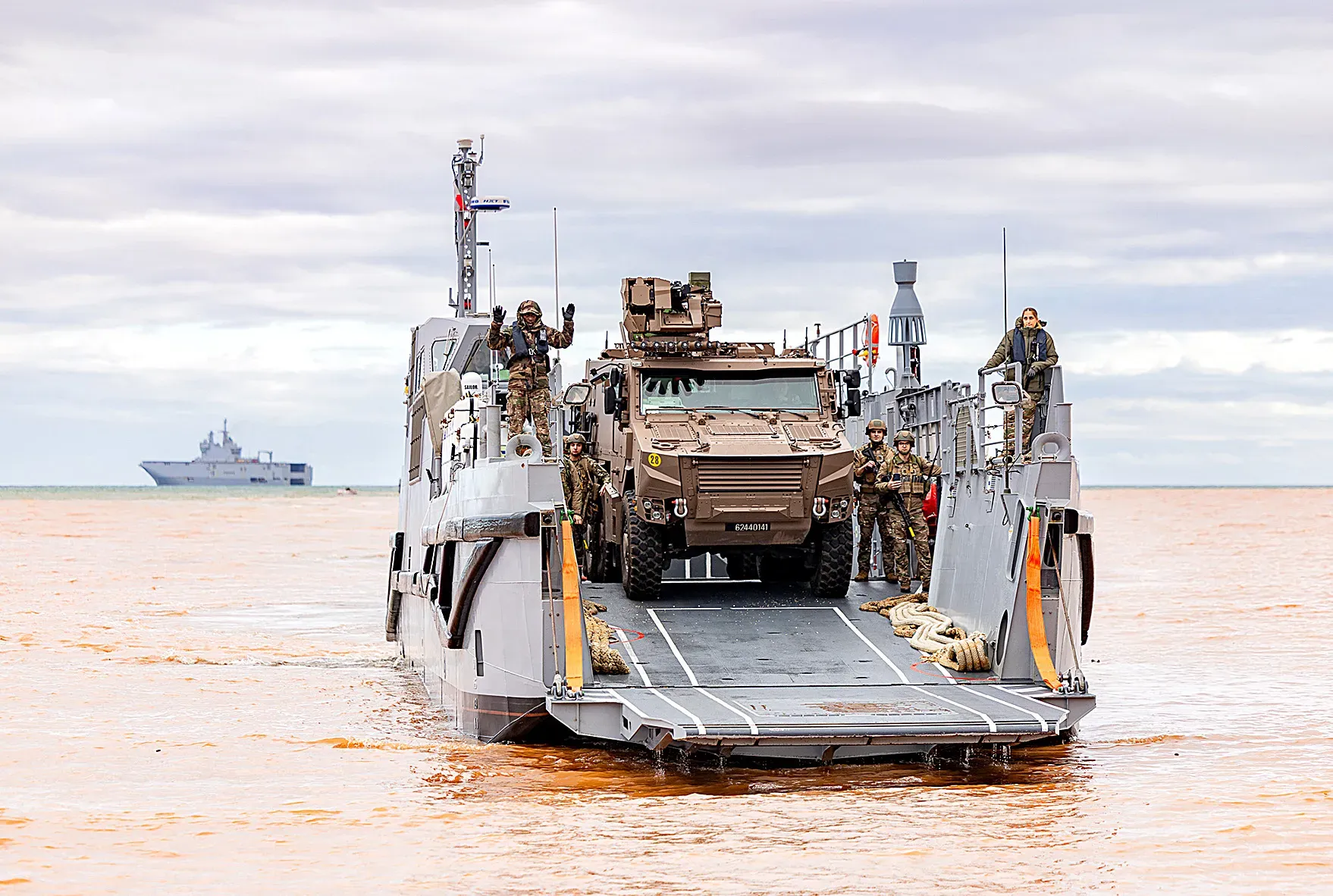
On this misty February morning, far from their bases in Brive-la-Gaillarde, the soldiers of the 126ème régiment d'infanterie (RI), nicknamed the "Bisons", carried out a massive landing on the Mediterranean coast. For these land combat specialists, the operation marked a radical change in dimension: moving from dry land to maritime projection under potential enemy fire. Around a hundred combatants set foot on the Var sand from 8 a.m., disembarking from an amphibious force deployed offshore.
This logistical and tactical maneuver put nearly fifty vehicles to the test, including light armored vehicles and the formidable VAB (Véhicules de l'Avant Blindés). At the heart of the deployment, the GRIFFON, the multi-role armored vehicle emblematic of the SCORPION program, demonstrated its ability to be projected from the sea.
This sequence was not just routine training. It constituted the operational prelude to phase 0. 2 of the ORION 26 exercise, dubbed "conquest of zone superiority".
Advertisement
The objective is to prepare the Land Army's embarked tactical group (GTE) to operate in perfect synergy with the vessels of the Marine nationale. Here, the Navy deploys its amphibious helicopter carriers (PHA), true Swiss Army knives capable of conducting crisis management or transport operations at short notice.

HYBRID WARFARE SCENARIO The shadow of "high intensity" hung over this exercise for a long time. ORION 26 indeed plunges the armed forces into a fictional but highly credible scenario, inspired by NATO standards. The background pits the allied coalition against "Mercure", an expansionist state seeking to destabilize its neighbor "Arnland" to prevent its accession to the European Union.
Faced with this strategic competitor multiplying hybrid attacks, France, as a framework nation, must demonstrate its ability to be the first to enter a theater of operations. This was the whole point of this maneuver, as it was about validating expertise before taking the big leap.
Thus, on February 6, the exercise shifted into its second active phase. A naval force composed of two French PHAs and an Italian San Giusto-type ship simulated the seizure of a port and airport zone on the Atlantic coast. The Var training of the Brivistes therefore served as a real-life laboratory for these complex territory-reclaiming operations.
The success of such a deployment rested on a rigorous chain of command. Vice-Admiral Royer de Véricourt, commander of the Centre Expert du Commandement Interarmées (CECIA), ensured the overall direction and consistency of this extraordinary exercise. Created on July 1, 2024, the CECIA plays its role as conductor here, guaranteeing the integration of multi-domain effects (land, sea, air, cyber, space).
Under the operational authority of the structures planned by the CECIA, the cooperation between the sailors and the "Bisons" of the 126ème RI illustrated the necessary interoperability of the forces. It is no longer just about fighting side by side, but about merging operational cultures.
The day's program, including a visit to the embarked staff on board the helicopter carrier, bears witness to this desire to fluidify the dialogue between land and sea. While international tensions demand an army "ready to act", as the motto of ORION 26 recalls, the Var has confirmed its status as a welcoming land — and sea — for high-level operational preparation.
The Brivistes left the Var battle-hardened, ready to face the challenges of modern warfare, whether amphibious, digital, or land-based.
Photos by Philippe OLIVIER.