Public procurement, a driver for agricultural sectors
Région Sud and Var join forces to promote local sourcing in collective catering, a major economic issue.
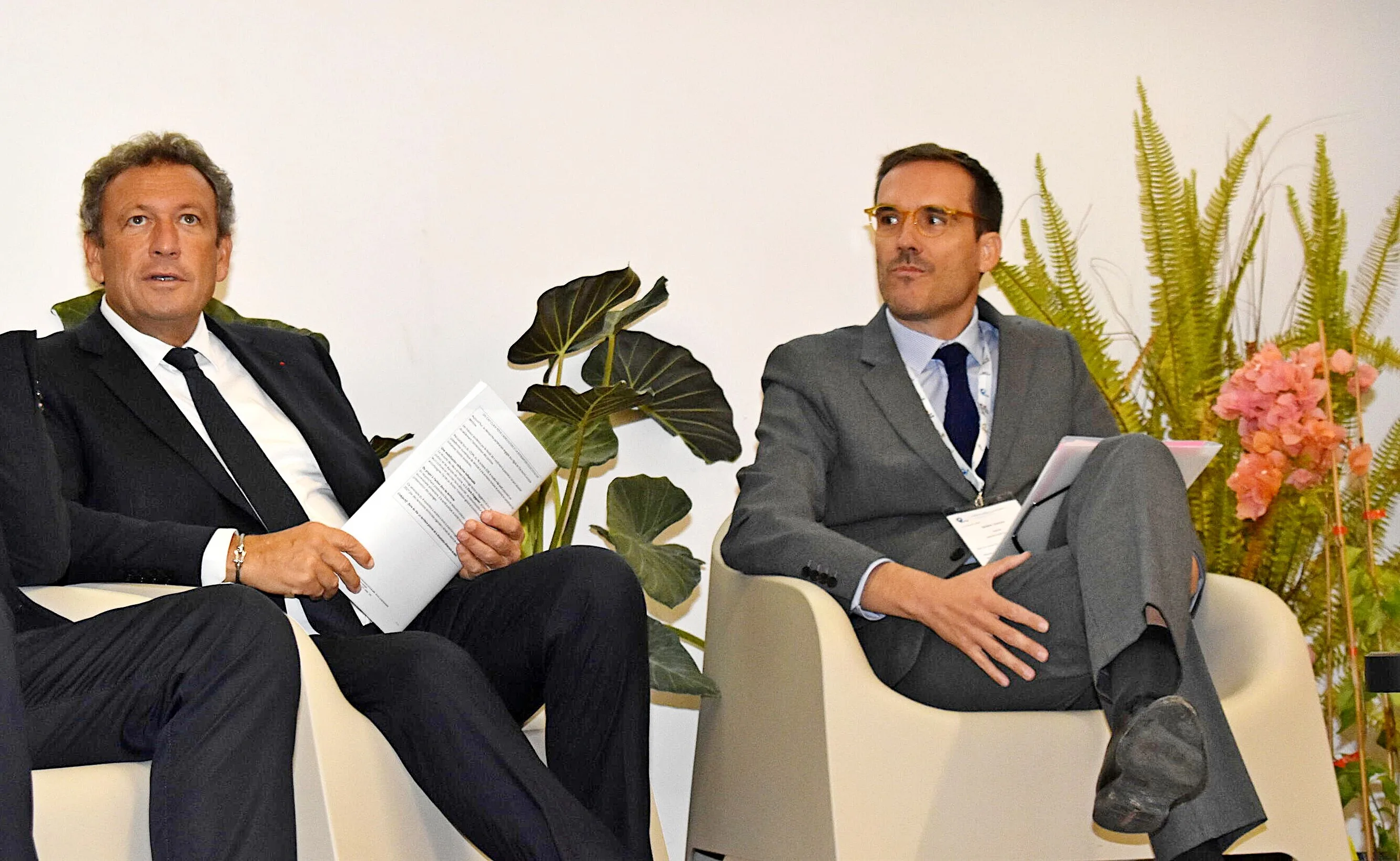
Public procurement as a leverage tool for local agriculture: this was the strategic theme advocated on November 4 during the seminar "Local and quality sourcing in collective catering".
François de Canson, president of the Région Provence-Alpes-Côte d’Azur and of the Communauté de communes Méditerranée Porte des Maures, detailed regional ambitions alongside Simon Babre, préfet of Var, Jean-Louis Masson, president of the Département du Var, and Sylvain Audemard, president of the Chambre d’agriculture du Var.
This event highlighted the departmental system "Var Local", designed to facilitate connections between producers and buyers in collective catering.
A leverage tool of over €30 million per year
Région Sud has significant leverage to shape the market. With 174 lycées, nearly 11 million meals served each year, and over €30 million in annual food purchases, the institution intends to use this power to structure local sectors.
Advertisement
This approach is part of the regional program "Tous à Table", which aims to improve meal quality for high school students, fight against food waste, and support the local economy. "Our ambition is to transform this purchasing power into a true lever for economic performance, food quality, and territorial development," emphasized François de Canson.
Indeed, the issue goes beyond simple canteen management: "Our ambition is therefore not simply to buy better for our lycées: it is to make public procurement a driver of development for the agricultural sectors of our territory."
Considerable potential for Var agriculture
The potential outlets are immense, particularly in Var. Public school catering in the department alone represents nearly 125,000 meals served every day.
Directly managed establishments consume around 696 tonnes of vegetables and 560 tonnes of fruit annually, volumes that could largely benefit the 4,400 agricultural holdings in Var.
"This demand exists. It is now up to us to better organize our supply to meet it," insisted the head of the Région. He recalled the importance of this approach for the region's food sovereignty: "Local sourcing is an opportunity for our agriculture and a necessity for our food sovereignty."
Agriculture facing challenges
The local agricultural sector remains fragile, facing multiple challenges: climate change, recurrent droughts, land pressure, and generational renewal.
To address this, the Région and the Département are acting on several fronts. A goal has been set to reclaim 10,000 hectares of agricultural land in Var by 2030. Furthermore, schemes such as the Dotation Jeunes Agriculteurs and European EAFRD funding are being mobilized to encourage the installation of a new generation and modernize farms.
Water management has been identified as the absolute priority for sustainable Mediterranean agriculture. In this sense, the "Var Bleu" project, led by the Société du Canal de Provence, represents a major investment. With a total estimated cost of €335 million, it relies on the creation of a 52-kilometer hydraulic infrastructure, the Permian main line.
Advertisement
This project will help secure the water supply for central and eastern Var. The perspectives are structural: 60 additional municipalities can be served and, above all, 17,000 additional agricultural hectares can be irrigated, joining the current 21,000 hectares.
"Without control of water resources, there will be no sustainable agriculture in our Mediterranean territory," warned the president of the Région.
Finally, referring to last summer's fires that affected around a hundred farms in Var, François de Canson recalled the mobilization of €500,000 in exceptional aid by the Région. A way to reaffirm unwavering support for those who feed the territory.


Photos Alain BLANCHOT.