The Varages earthenware factory at the Élysée
Takeover in 2025, the Varages earthenware factory, one of the oldest in France, showcases its know-how at the Élysée.
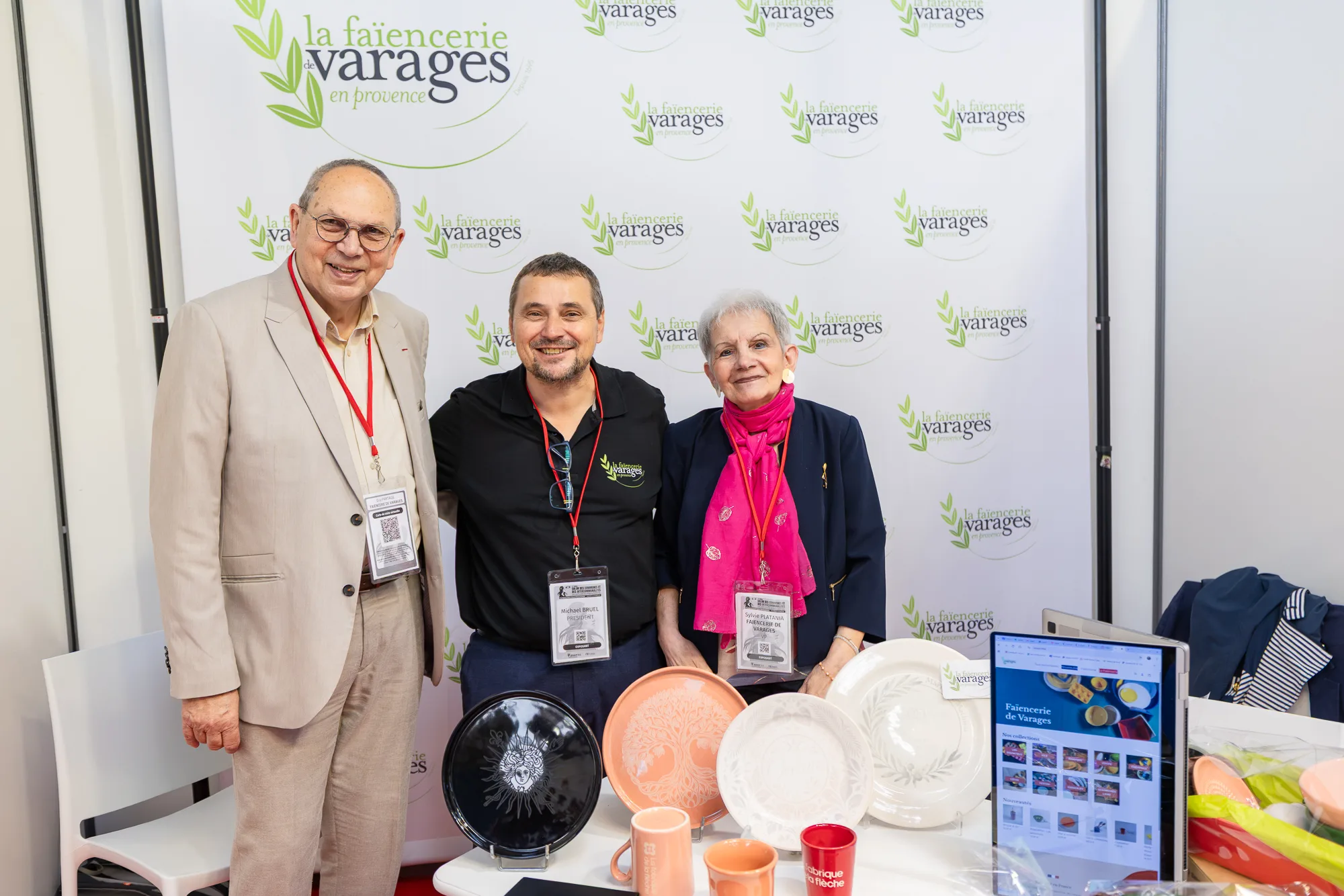
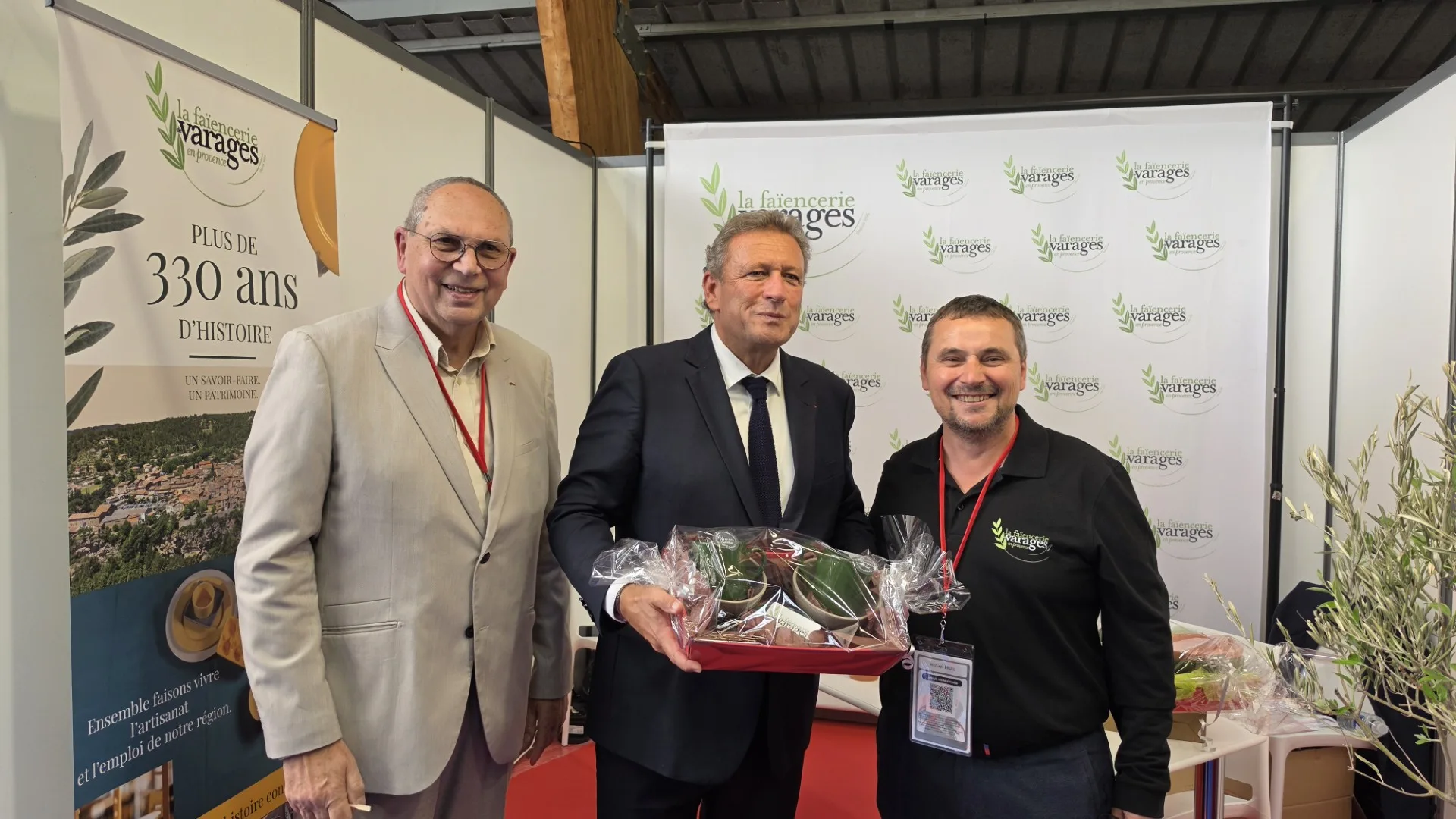
Taken over at the commercial court in June 2025, one of the oldest companies in France was selected for the Great Exhibition of Made in France on November 21 and 22. The company is now focusing on color, customization, and the transmission of know-how.
Founded in 1695, the Varages earthenware factory is among the ten oldest companies in France. It experienced prosperous times, with up to 24,000 pieces per day around thirty years ago and white-label orders for IKEA.
After a succession of bankruptcies, the third in thirty years, a group of entrepreneurs was awarded the takeover by the commercial court on June 17, 2025.
“Impossible to be the generation that lets it drop”
“None of the buyers came from the earthenware industry; for us, it's 330 years of history, it is impossible to be the generation that lets it drop,” summarizes Michael Bruel, president of SAS Nouvelle Faïence.
Advertisement
They admit having acted with their hearts: “if we had thought about it more, we might never have come to it, because the profession is complex and highly competitive”. Five at the beginning, there are now nine buyers. All are volunteers and also run their own companies.
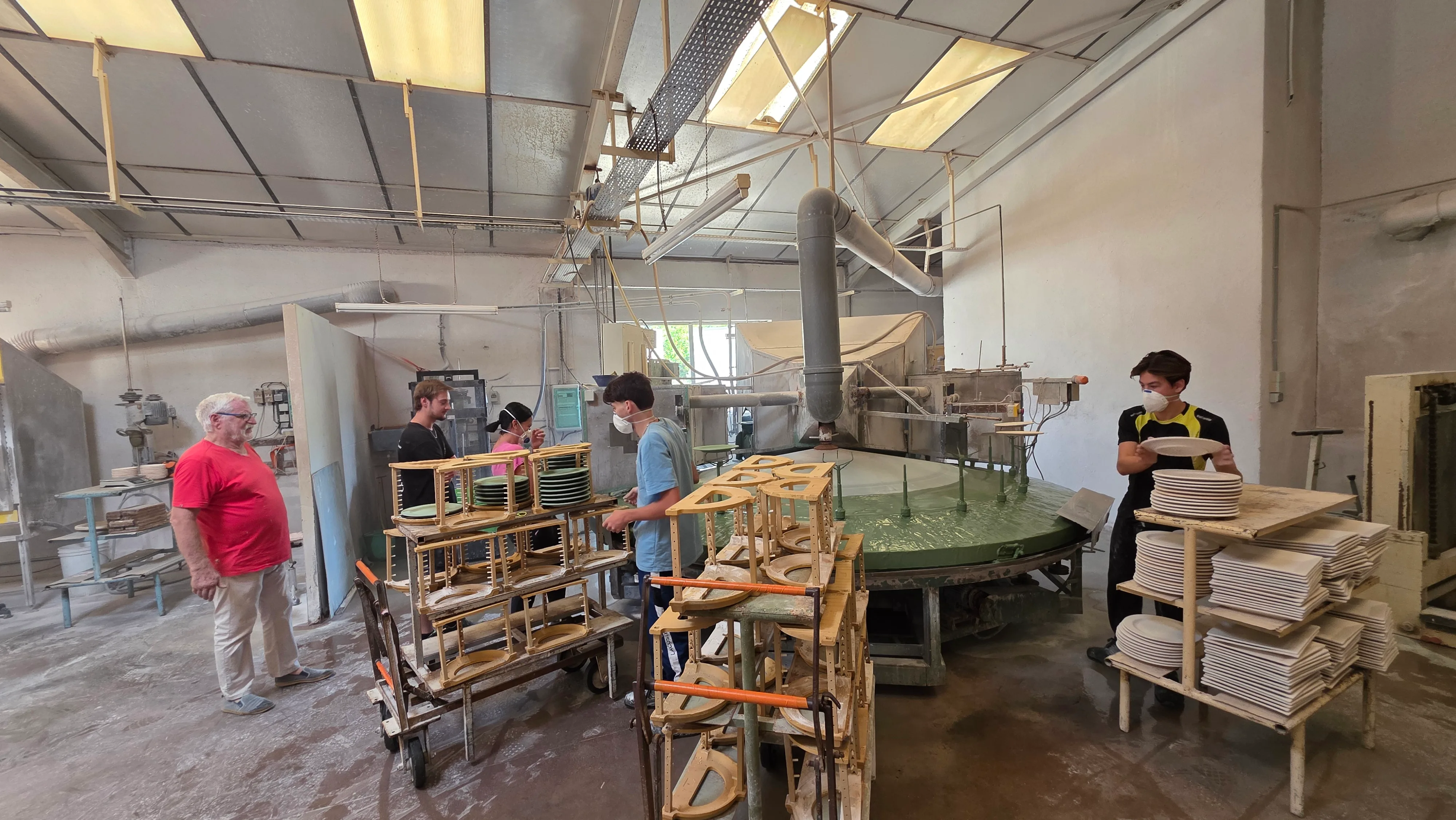
The company relies on SAS Nouvelle Faïence, which bought the brand. It relies on two production subsidiaries: Les Lauriers, an integration company dedicated to enameling, and Le Pavillon, which is ultimately to take over the manufacture of biscuits, that is to say the pieces from the first firing. The goal is to master the entire chain in Varages.
Saving a know-how
The challenge is also human. The enameling carousel, a machine over half a century old, only exists here and no training prepares for it. The employees, recruited through integration programs, are almost all beginners. The former workers who hold this knowledge are rare and elderly, like chemist Jen Depaquis, 80, who is helping to restructure production.
“It's like a 3,000 or 5,000-piece puzzle of which we have almost all the pieces. We have to put them back in order,” pictures Michael Bruel.
To preserve and transmit this know-how, the Faïence et Patrimoine association was born, chaired by Guy Partage, with Sylvie Platania as vice-president. Supported by several foundations, it raises funds to finance training, skills transfer, and the purchase of recent equipment such as a laser engraver or a 3D printer. It must make the Varages earthenware factory “a real innovation laboratory”.
Color as a signature
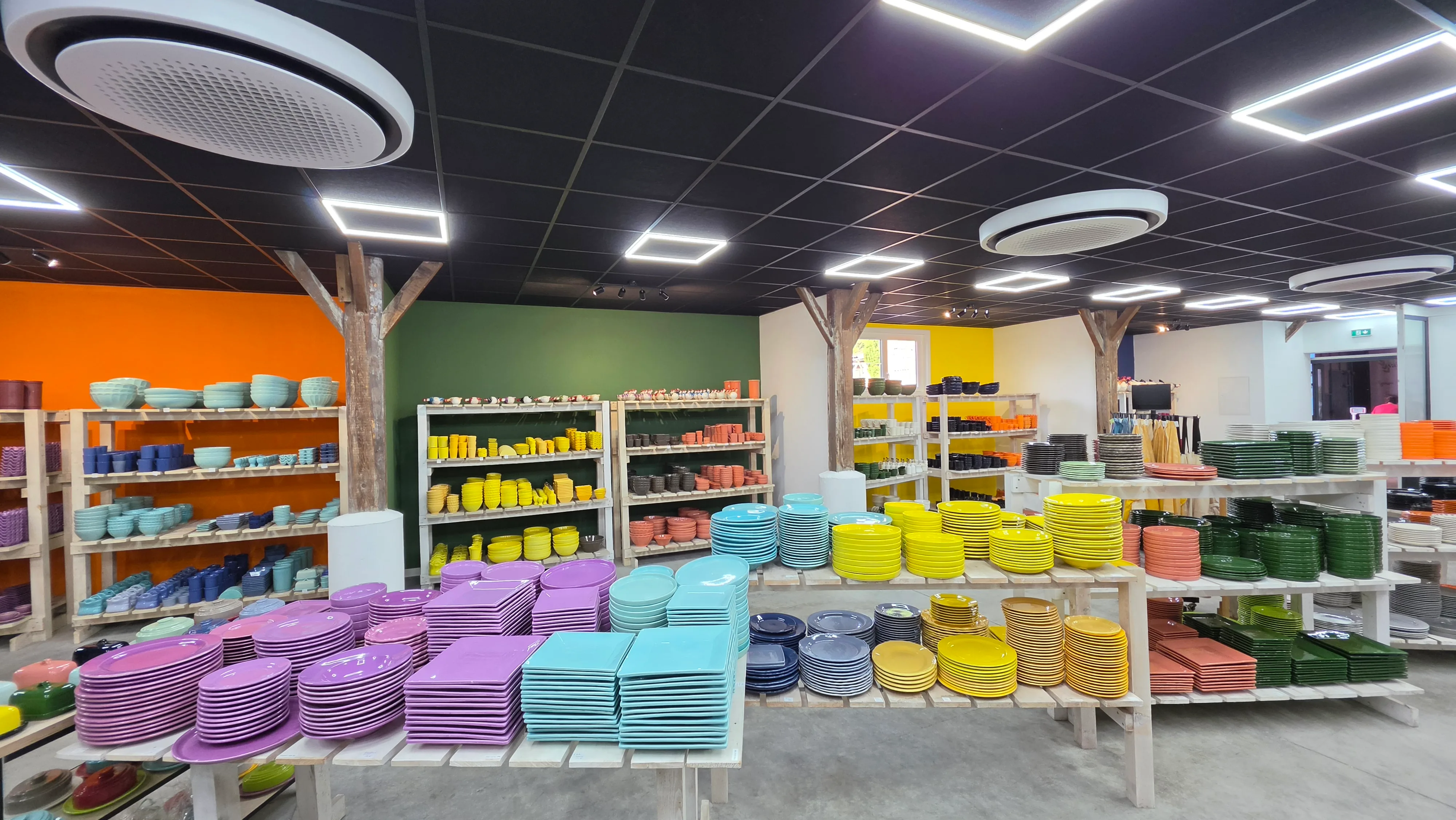
The earthenware factory abandoned traditional decoration to focus on enameling and its very bright shades, a choice that few earthenware makers have followed. The shop, renovated to standards, was designed around this know-how: the customer composes their own table arrangement from color boxes.
An online sales site has been launched and a network of resellers is being established.
The buyers also found a niche with local authorities. Thanks to laser engraving, municipalities have ordered personalized plates for weddings, and the company now offers a range of glazed pots for outdoor use. The Maison de l’Emploi even ordered 140 engraved glasses.
Finally, the earthenware factory halls accommodate seven stalls, the first of which opened on November 1st. “It is a structure getting back on its feet, and we are looking for the economic model that will stabilize it”. For its leaders, the example comes from Spain because in Seville, ceramics are everywhere, supported by local authorities, even though its history there is younger than in Varages.
Article from the print edition of La Gazette du Var