A project to reduce the State's energy bill
The Var prefecture launches a collective self-consumption loop to reduce its electricity bill by 10%.
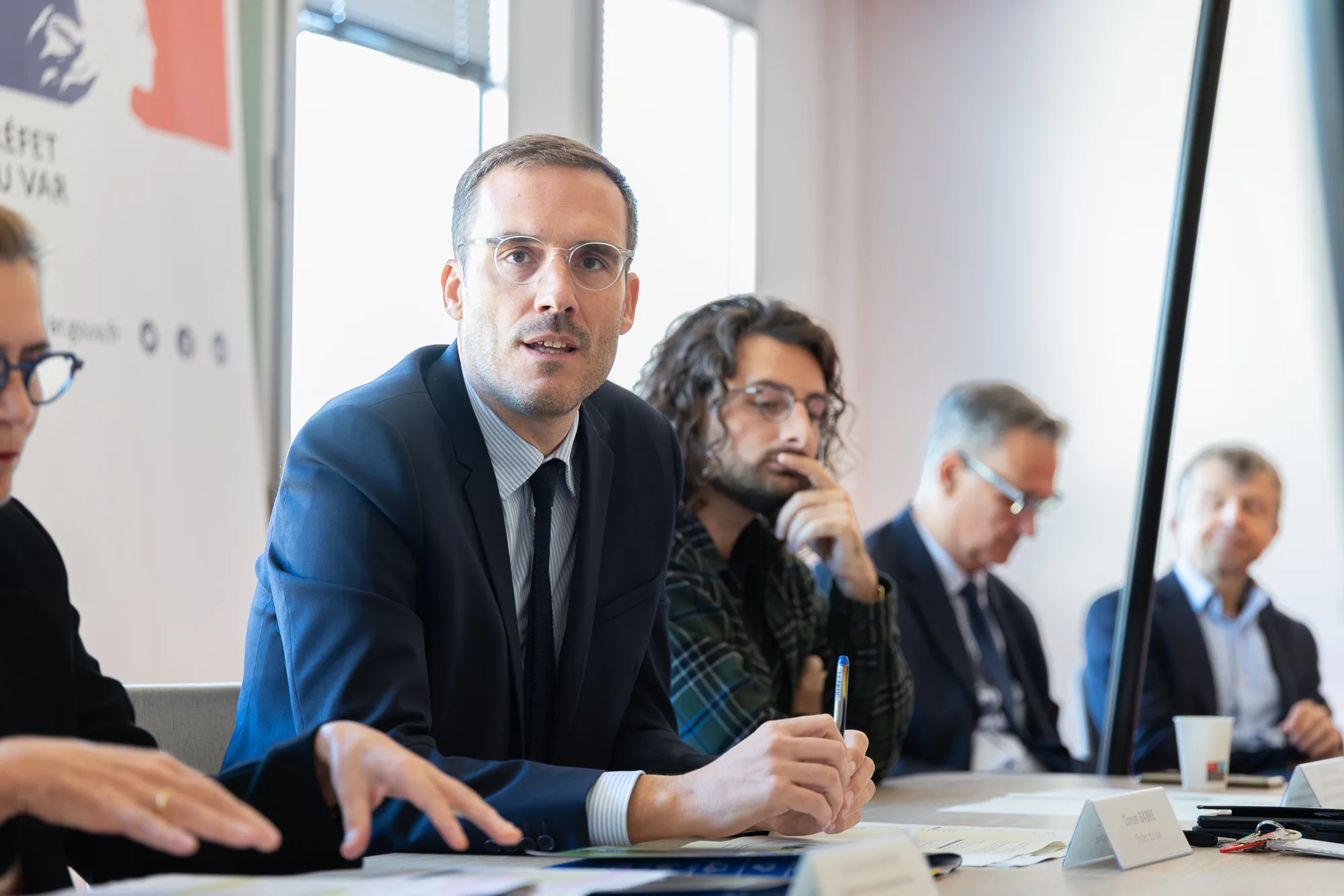
By launching a collective self-consumption loop to reduce its electricity bill by 10%, the Var prefecture becomes the first administration in the region to set up a collective electricity self-consumption loop.
Presented on October 27 in Toulon, this pioneering project aims to pool solar energy production between several State buildings to reduce costs and serve as a model. The prefect of Var, Simon Babre, detailed the contours of this initiative, which is part of the energy transition.
Thus, the surplus energy produced by the photovoltaic panels installed on the roof of the Lices administrative center will be shared with other energy-intensive public sites located within a two-kilometer radius, including the prefecture itself.
An economic objective and a model to follow
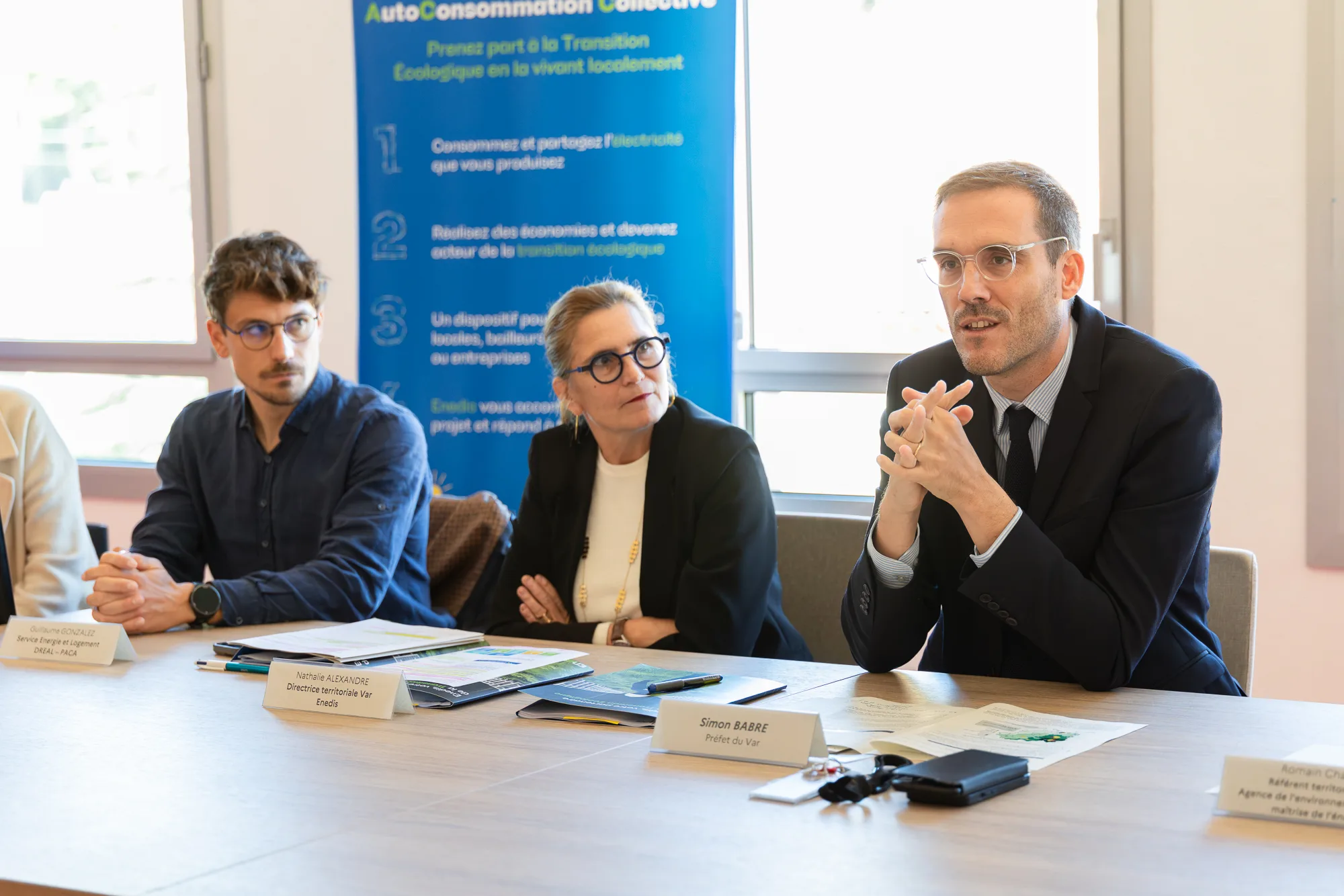
"The State is innovating by creating an energy transition demonstrator, bringing together buildings that, thanks to roofs equipped with photovoltaic panels, will produce electricity, and consumption sites around an original organization. The stake is above all economic. By streamlining its consumption, the State seeks to control its expenditure. This mechanism is part of a logic of modernizing public infrastructure. The goal is to lower the electricity bill of State services within this 2 km radius by 10%," specified Simon Babre, the prefect of Var.
A legal and accounting fiction
Technically, it is not a matter of creating a new physical network. The system relies on an accounting and legal structure, described as a "legal fiction" by the prefect, made possible through a partnership with Enedis. The kilowatts produced in one place are calculated and then deducted from the bills of the partner consuming sites.
Advertisement
"It is a kind of legal fiction, but one that makes it possible to involve a natural or legal person in the creation of this investment in electricity production and the set-up of this self-consumption loop," the State representative further detailed.
This model is not reserved for the administration. Indeed, this technological choice is within everyone's reach: local authorities, businesses, or even groups of individuals. Moreover, Var already has around forty similar devices, and forty other projects are under development. According to Simon Babre, this solution is economically more advantageous than reselling the surplus to the general grid.
"The multiplication of these micro-initiatives is very virtuous," he added.
The State, a model to convince
Faced with a return on investment sometimes considered too long for individual installations, collective self-consumption appears to be a pragmatic solution. By sharing investment costs and agreeing on a key for distributing gains, several households can make a photovoltaic project profitable more quickly.
That is why the prefect launched an appeal to the residents of the department: "I call on the people of Var, who live in the most beautiful department in France and undoubtedly the sunniest, to seize this opportunity."
By positioning itself as a "demonstrator", the State wants to prove by example the efficiency and relevance of this model. The savings achieved on the public services' energy bill will be communicated regularly to encourage private actors and citizens to adopt this approach.
Furthermore, the State financially supports local authorities committing to this path. The prefect notably cited the example of the municipality of Correns, hit hard by fires, which received a grant to develop its own self-consumption loop.
"It is a beautiful symbol of resilience and of taking control of their destiny by the residents to be part of this project, and the State wanted to support this project," concluded the prefect.
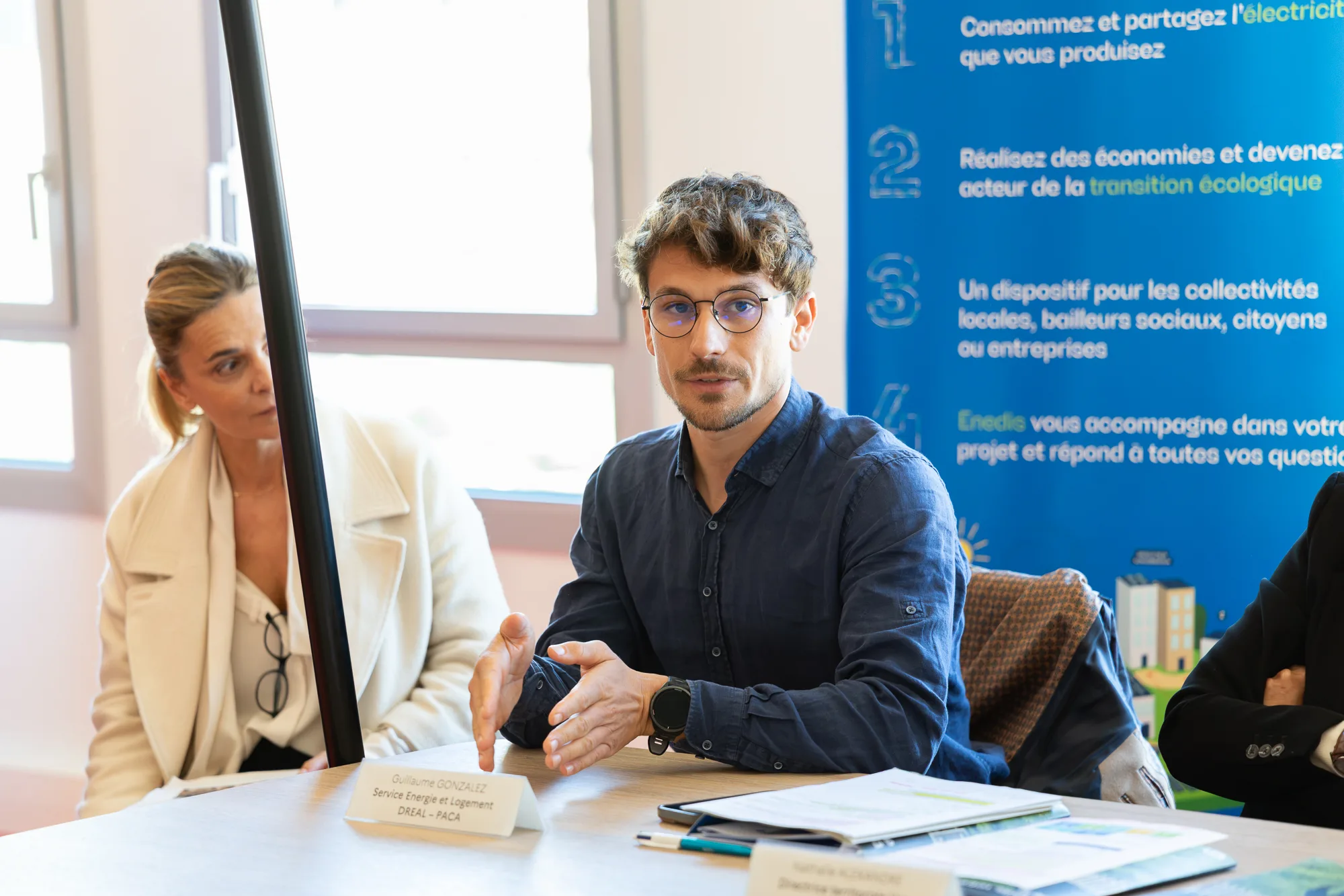
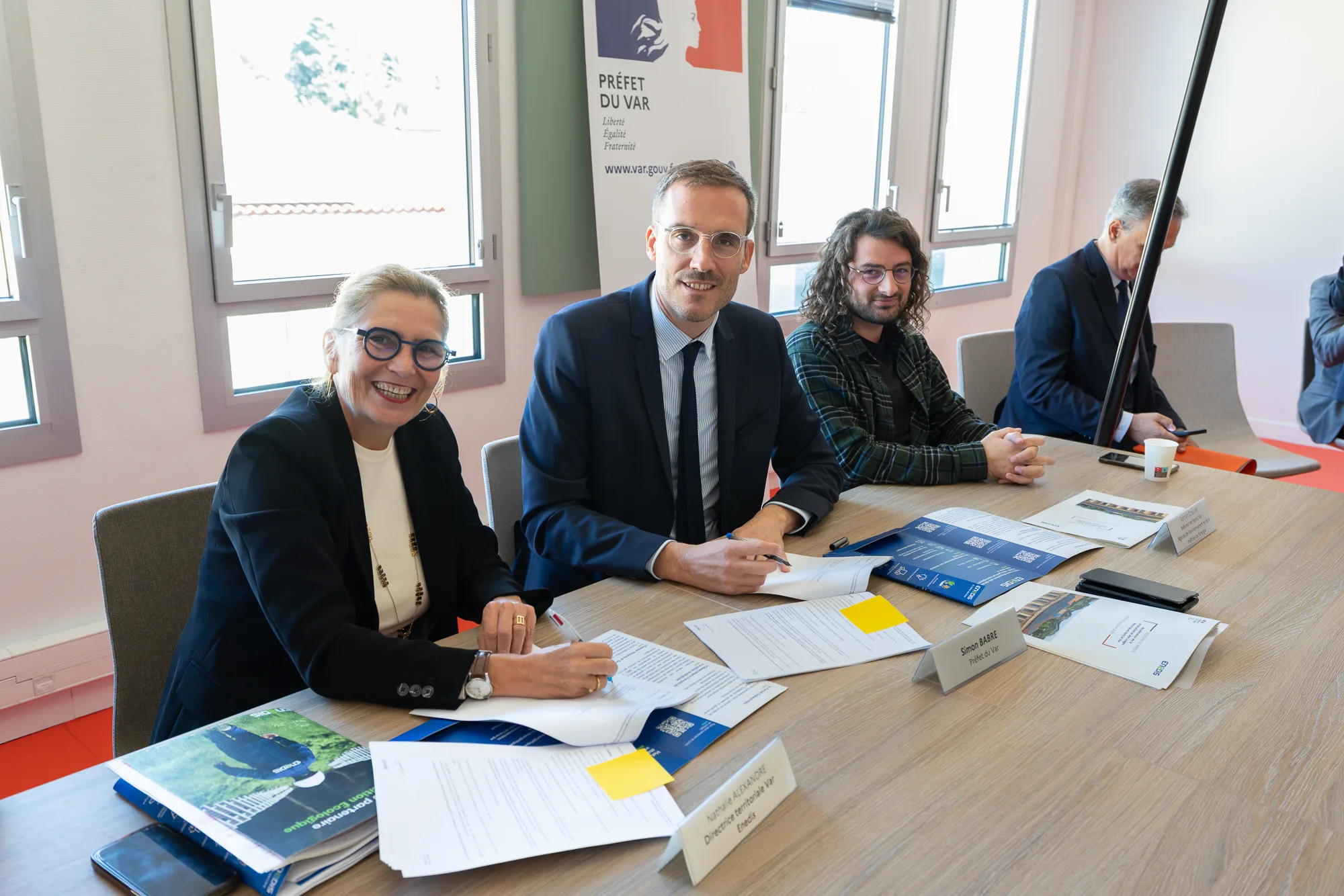
Photos Philippe OLIVIER.