Philippe Leonelli, maire : « Innover et organiser toujours plus d’événements »
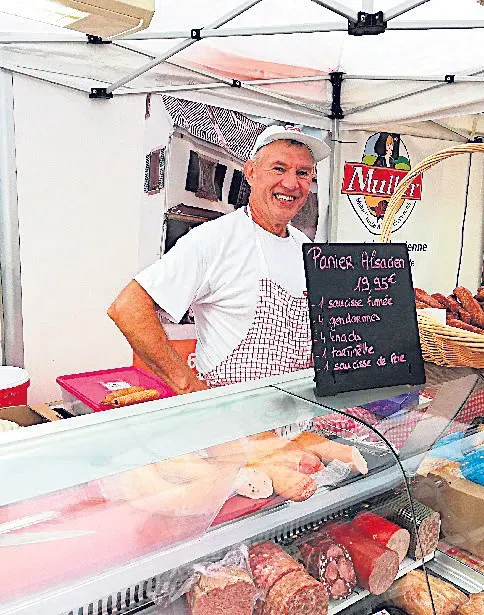
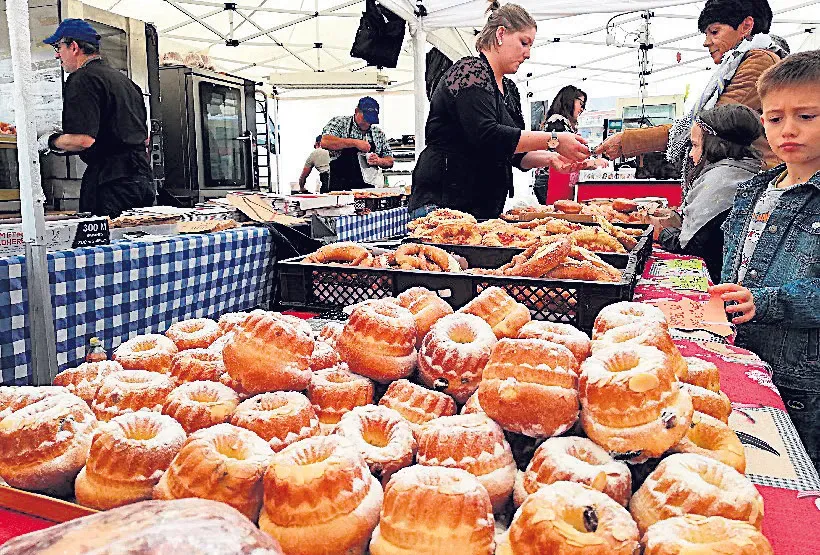
C’est déjà la quatrième année que la ville accueille la Fédération des artisans et producteurs d’Alsace à l’occasion du marché Alsacien. Un rendez-vous que le…
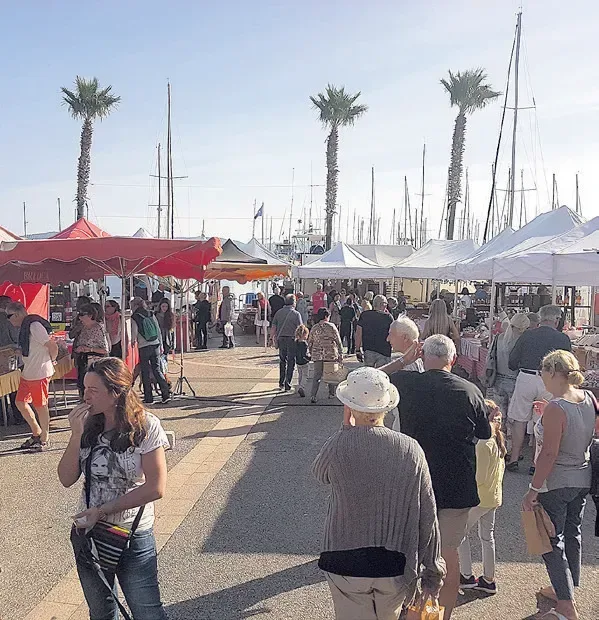
Cette édition était un peu particulière puisque la ville accueillait la nouvelle présidente de cette belle association, à savoir Evelyne Weber. D'où la satisfaction de Philippe Leonelli, le maire : « Je profite de cet instant pour adresser toutes mes amitiés à Valentin Hérart, qui a quitté la présidence l'année dernière. Il a travaillé, sans relâche, pour faire de cette manifestation ce qu'elle est aujourd'hui et ce depuis 2015.
Merci à toi Valentin ».
Le premier magistrat ajoutait : « Notre volonté reste la même : Innover et organiser toujours plus d'événements et d'animations, tout au long de l'année et particulièrement hors saison ». En effet, la pérennisation du marché alsacien et son succès grandissant (la soirée alsacienne affichait complet depuis plusieurs jours) témoignent de la pertinence de la politique, menée par la ville au profit des Cavalairoises et des Cavalairois et de son économie. Car, l'extraordinaire diversité culturelle des régions et des terroirs est un vecteur formidable de dynamisation pour la station balnéaire.
Publicité
Philippe Leonelli l'a promis : « Nous accueillerons, l'année prochaine, notre marché Corse et notre marché Basque, et nous travaillons sur des thématiques un peu plus exotiques. Mais, je ne vous en dit pas plus »...

Le premier magistrat ajoutait : « Notre volonté reste la même : Innover et organiser toujours plus d’événements et d’animations, tout au long de l’année et particulièrement hors saison ». En effet, la alsacien et son succès grandissant (la soirée alsacienne affichait complet depuis plusieurs jours) témoignent de la pertinence de la politique, menée par la ville au profit des Cavalairoises et des Cavalairois et de son économie. Car, l’extraordinaire diversité culturelle des régions et des terroirs est un vecteur formidable de dynamisation pour la station balnéaire. Philippe Leonelli l’a promis : « Nous accueillerons, l’année prochaine, notre marché Corse et notre marché Basque, et nous travaillons sur des thématiques un peu plus exotiques. Mais, je ne vous en dit pas plus »…
BPMN is a standard for business process modeling. It is a graphical representation of business processes that can be used to communicate process information to both technical and non-technical stakeholders. BPMN is based on the Business Process Model and Notation (BPMN) specification, which is maintained by the Object Management Group (OMG). The BPMN specification defines the graphical elements and rules for creating BPMN diagrams. BPMN diagrams are used to model business processes at various levels of detail, from high-level process maps to detailed process flows. BPMN is a powerful tool for business process analysis, design, and improvement. It can be used to identify process bottlenecks, optimize process performance, and improve process efficiency. BPMN is also used to document business processes, which can be helpful for training new employees and ensuring compliance with regulations. BPMN is a widely adopted standard, and there are many BPMN tools available that can be used to create and edit BPMN diagrams. Some popular BPMN tools include Bizagi Modeler, Camunda Modeler, and Signavio Process Manager. BPMN is a valuable skill for business analysts, process owners, and anyone involved in business process management. It can help you to better understand and communicate business processes, and to identify opportunities for process improvement. BPMN is a versatile standard that can be applied to a wide range of industries and business functions. It is commonly used in manufacturing, healthcare, finance, and government. BPMN can be used to model processes such as order fulfillment, customer onboarding, claims processing, and product development. BPMN is a visual language that uses a set of standard symbols to represent different elements of a business process. These symbols include events, activities, gateways, and pools/lanes. Events represent something that happens during a process, such as a message arriving or a timer expiring. Activities represent tasks or work that needs to be performed. Gateways represent decision points or branching logic in a process. Pools and lanes are used to organize and categorize process elements, representing different participants or departments involved in the process. BPMN also supports various types of connectors to show the flow of control and data between elements. These connectors include sequence flows, message flows, and association flows. Sequence flows indicate the order in which activities are performed. Message flows represent the exchange of messages between different participants. Association flows are used to link artifacts or data objects to process elements. BPMN is designed to be easy to understand and use, even for those without a technical background. Its intuitive graphical notation allows for clear communication of complex process logic. BPMN diagrams can be used to facilitate discussions and collaboration among stakeholders, helping to ensure a shared understanding of how processes work. BPMN also provides a foundation for process automation. By modeling processes in BPMN, organizations can then use BPMN-compliant tools to execute and monitor those processes automatically. This can lead to significant improvements in efficiency, accuracy, and compliance. BPMN is continuously evolving, with new versions of the specification being released periodically to incorporate feedback and address emerging needs. The latest version, BPMN 2.0, introduced significant enhancements and standardized the XML schema for process interchange, making it easier to share and execute BPMN models across different tools. BPMN is not just a drawing tool; it's a powerful methodology for understanding, designing, and improving business operations. By adopting BPMN, organizations can gain greater visibility into their processes, identify areas for optimization, and ultimately achieve their strategic goals. BPMN is often used in conjunction with other business process management (BPM) disciplines, such as process analysis, process monitoring, and process improvement methodologies like Lean Six Sigma. It provides the visual language to support these activities. The benefits of using BPMN include improved communication, increased efficiency, better compliance, and enhanced agility. By clearly documenting processes, organizations can reduce misunderstandings, streamline workflows, and adapt more quickly to changing business requirements. BPMN is a critical component of any successful business process management initiative. It empowers organizations to take control of their processes, drive continuous improvement, and achieve operational excellence. Whether you are a business analyst, a process owner, or a project manager, understanding BPMN will be a valuable asset in your professional toolkit. It enables you to speak a common language when discussing processes and to contribute effectively to process-related projects. BPMN is also supported by various certifications, allowing professionals to demonstrate their expertise in this standard. These certifications can enhance career opportunities in the field of business process management. In summary, BPMN is a comprehensive and widely recognized standard for modeling business processes. Its graphical notation, combined with its robust specification, makes it an indispensable tool for organizations seeking to understand, optimize, and automate their operations. Its continued relevance in the digital transformation era underscores its importance for modern businesses. BPMN helps bridge the gap between business requirements and technical implementation, ensuring that IT solutions align with organizational processes. It also facilitates the identification of redundant steps, bottlenecks, and opportunities for automation, leading to more efficient and cost-effective operations. The visual nature of BPMN makes it an excellent communication tool, allowing stakeholders from different departments and with varying technical backgrounds to understand and discuss processes effectively. This shared understanding is crucial for successful process improvement initiatives. BPMN is not limited to describing
Lors de l'inauguration du marché alsacien, nous avons remarqué la présence de Marc Giraud, président du Conseil Départemental du Var et Gil Bernardi, maire du Lavandou et vice-président de Méditerranée Porte des Maures (MPM).
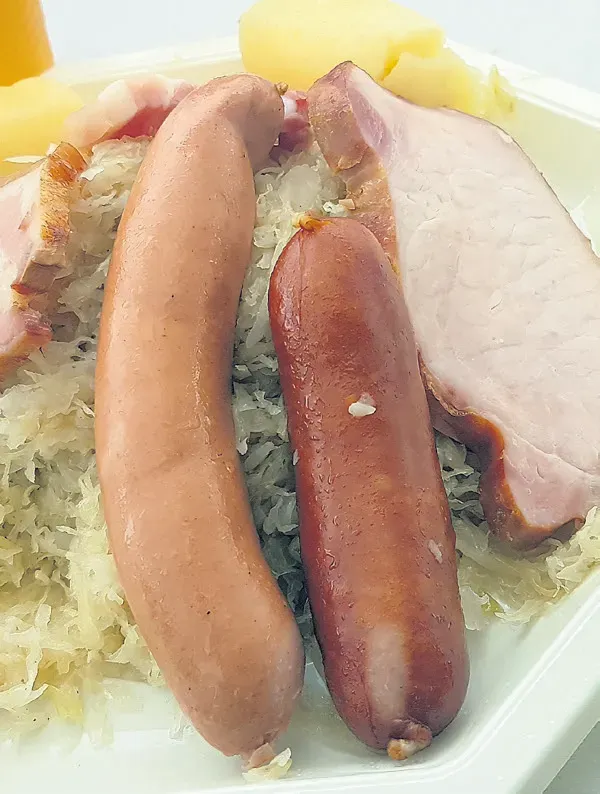
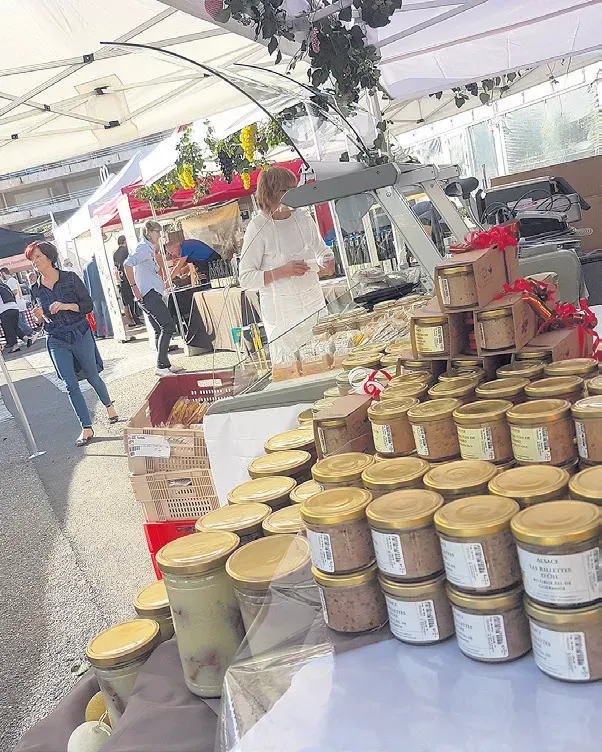

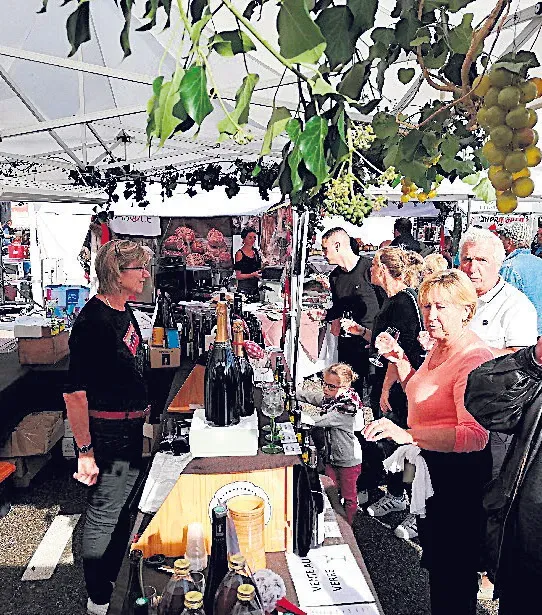
cet instant pour adresser toutes mes amitiés à Valentin Hérart, qui a quitté la présidence l’année dernière. Il a travaillé, sans relâche, pour faire de cette manifestation ce qu’elle est aujourd’hui et ce depuis 2015. Merci à toi Valentin ». reste la même : Innover et organiser toujours plus d’événements et d’animations, tout au long de l’année et particulièrement hors saison ». l’année prochaine, notre marché Corse et notre marché Basque, et nous travaillons sur des thématiques un peu plus exotiques. Mais, je ne vous en dit pas plus »...