Claude Mathieu: 'Introducing middle school students to biodiversity and heritage'
At the Frédéric Mistral middle school in Bormes, a 4th-grade class created a 20 m² fresco on biodiversity and heritage.
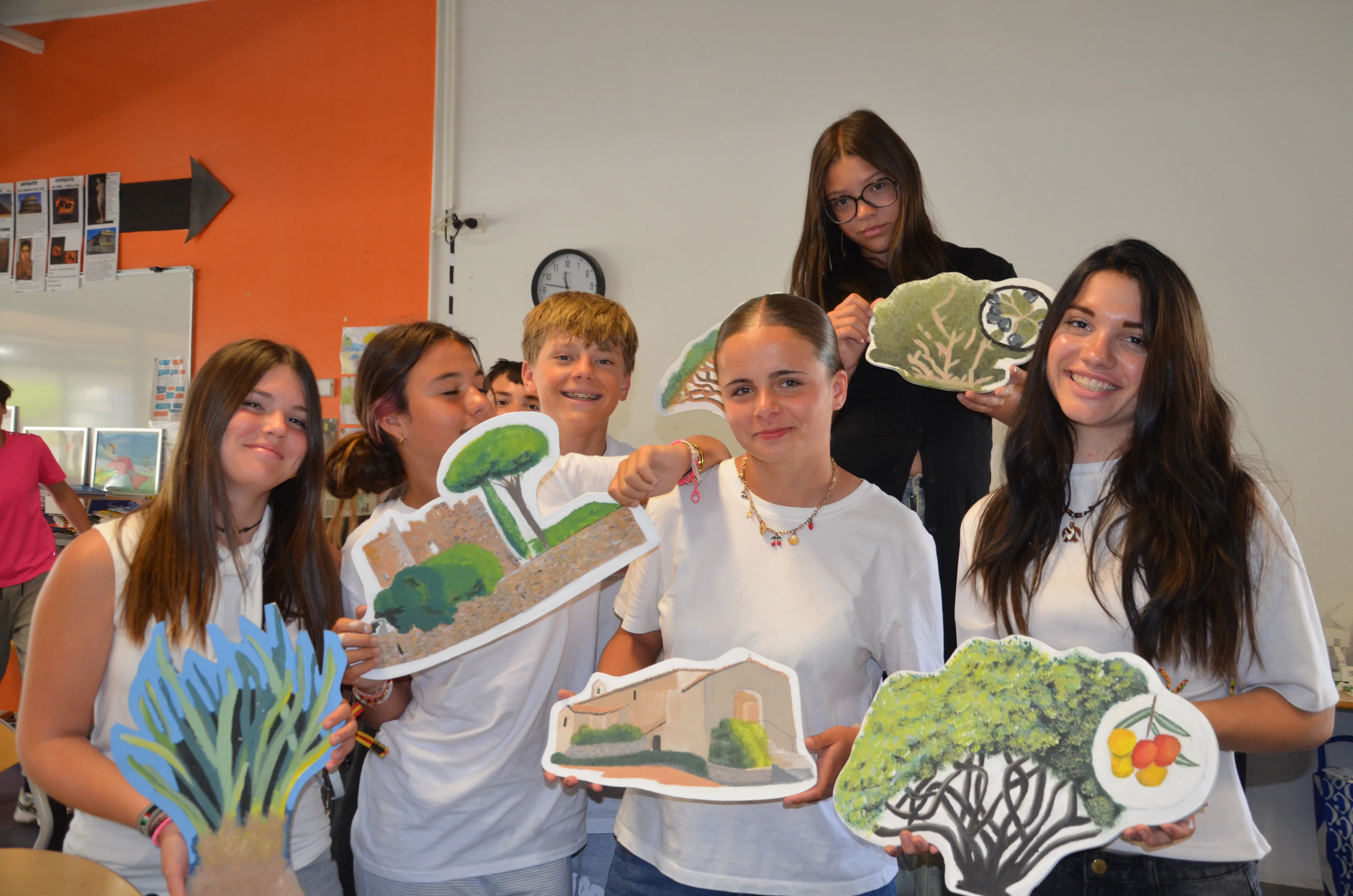
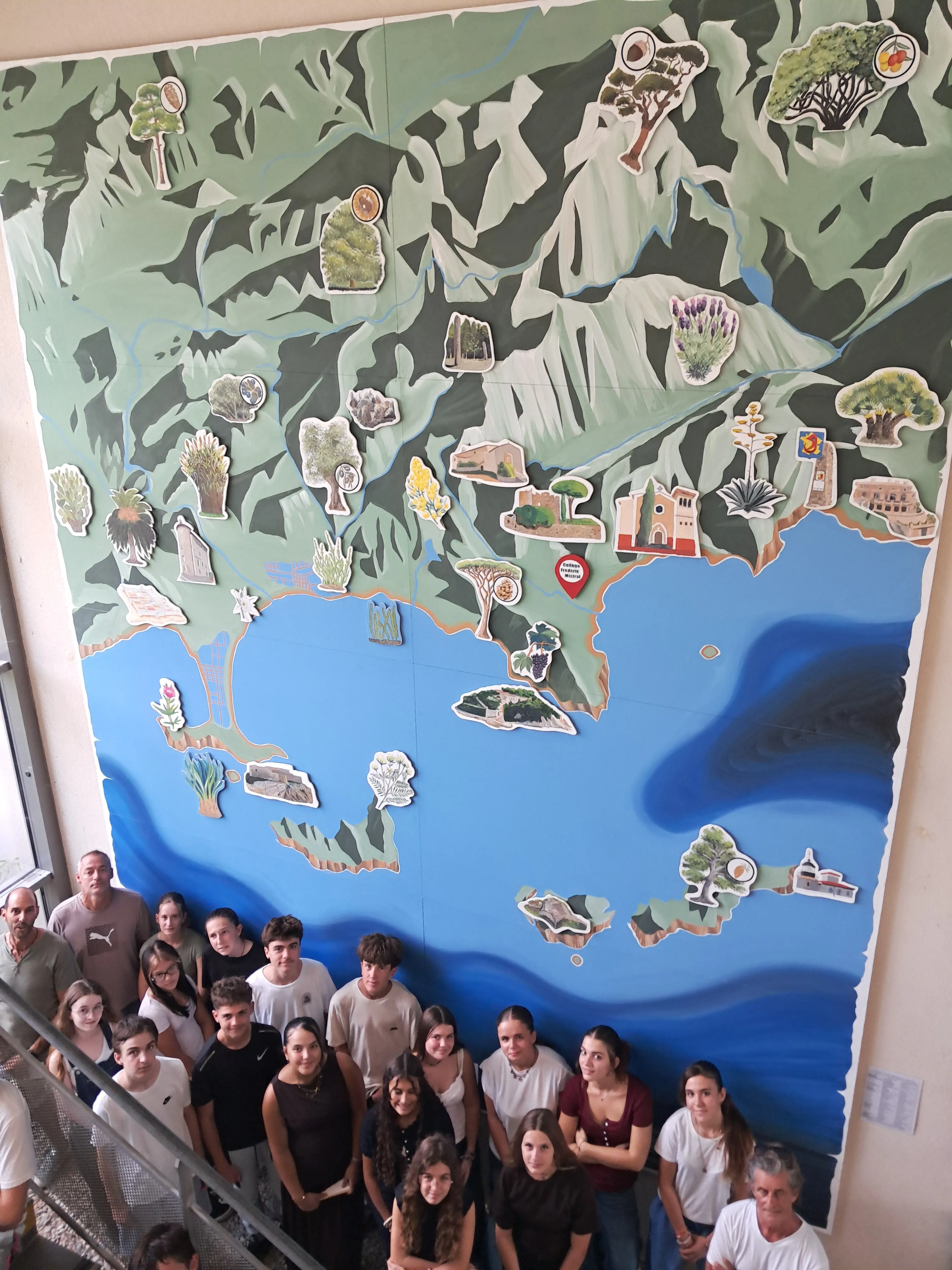
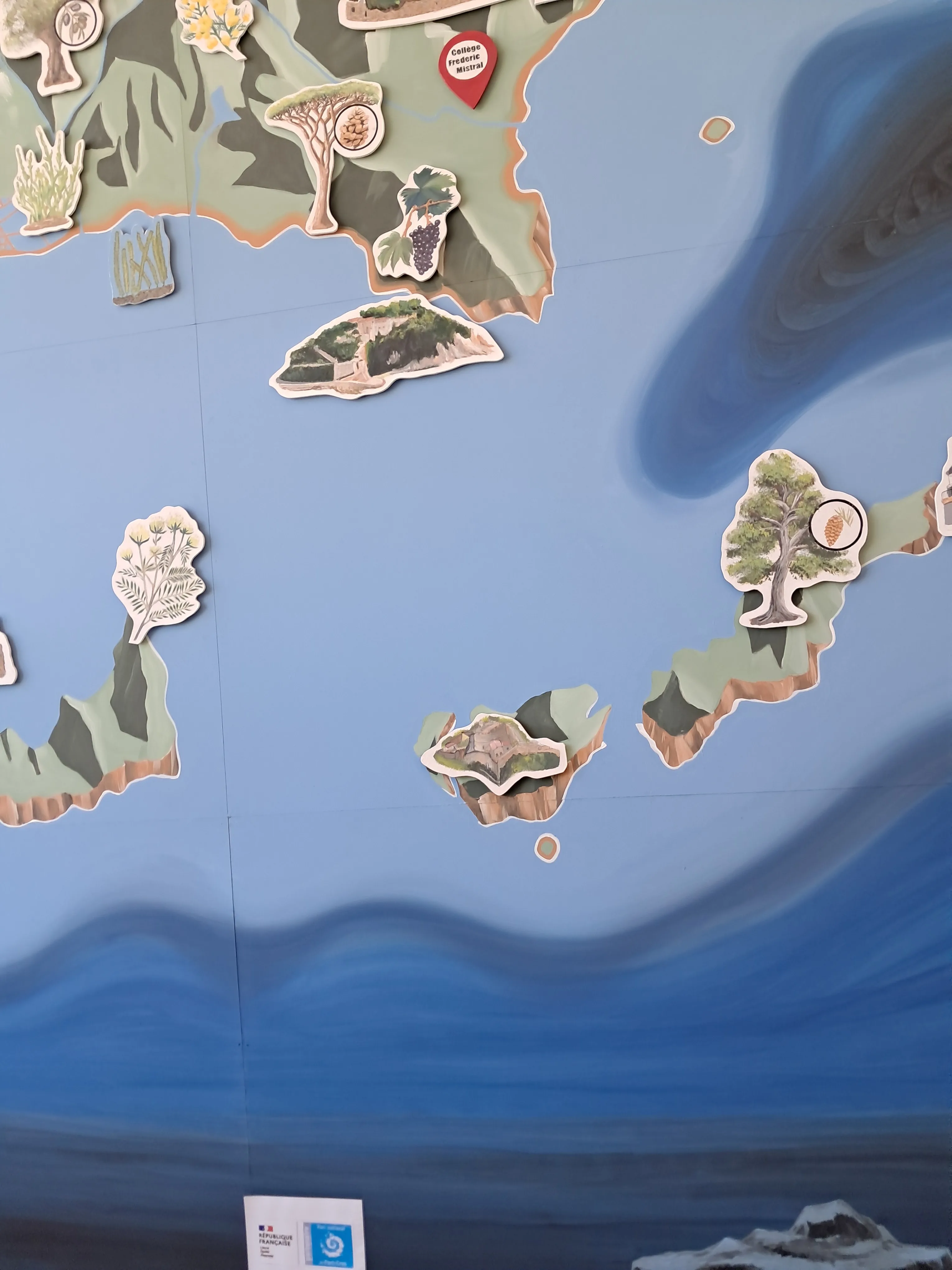
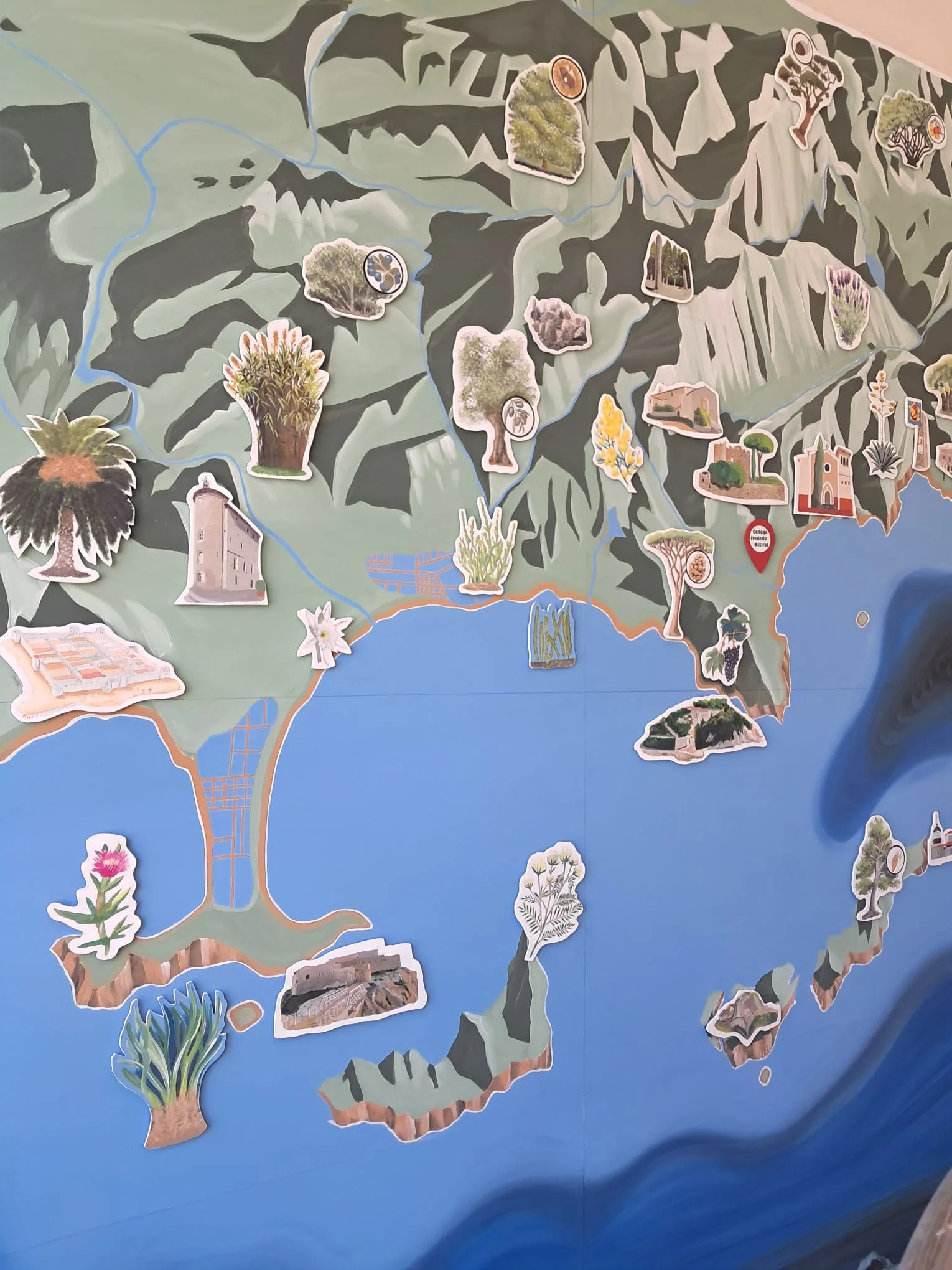
Art at the service of science and heritage. This is the successful bet won by a 4th-grade class from the Frédéric Mistral middle school in Bormes-les-Mimosas, which has just completed a 20 m² fresco on the theme of the 'Mediterranean coastline'.
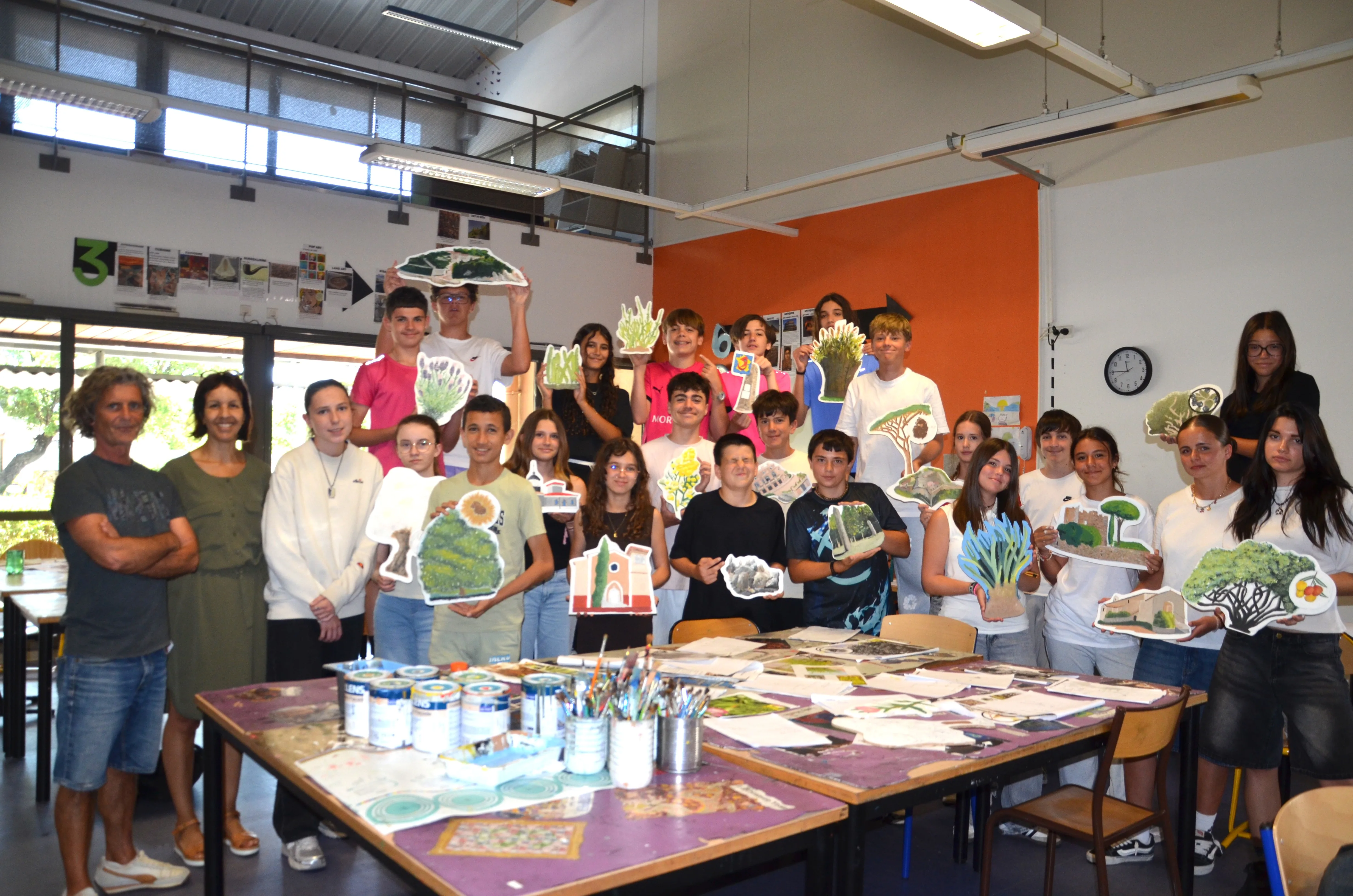
Initiated in September 2025, this ambitious educational project, led by SVT (life and earth sciences) teacher Claude Mathieu, mobilized students, teachers, and local partners for a complete immersion into the riches of their territory.
The artwork, created with the painter Marc Ubeda, is the culmination of a year of discoveries and environmental awareness.
From the sea to raising awareness
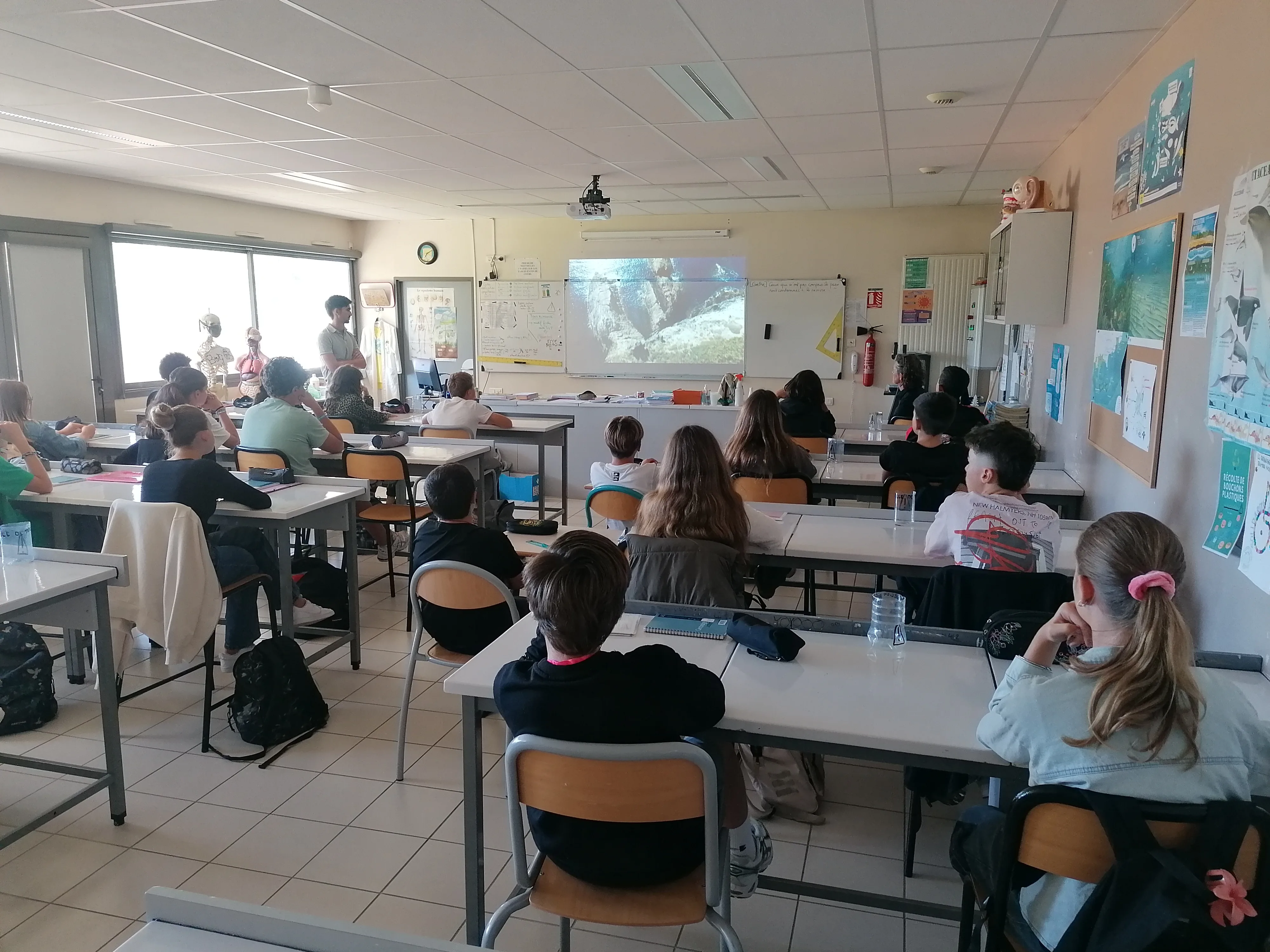
The idea emerged from a founding experience: a first dive organized for 5th-grade students on the island of Port-Cros. The youngsters' wonder at the underwater fauna and flora was the trigger for Claude Mathieu, who wished to anchor this ecological awareness in a sustainable and tangible project, linking the past, present, and future of their direct environment.
It was last year, thanks to a first dive in Port-Cros organized by my colleague Mareva Laroudie (physics and chemistry) with a 5th-grade class, where we witnessed the youngsters' wonder and ecological awareness, that the idea emerged to create a fresco on the middle school students' direct environment
The fresco is thus designed as the visible and lasting representation of the knowledge acquired throughout the school year.
An educational and immersive project
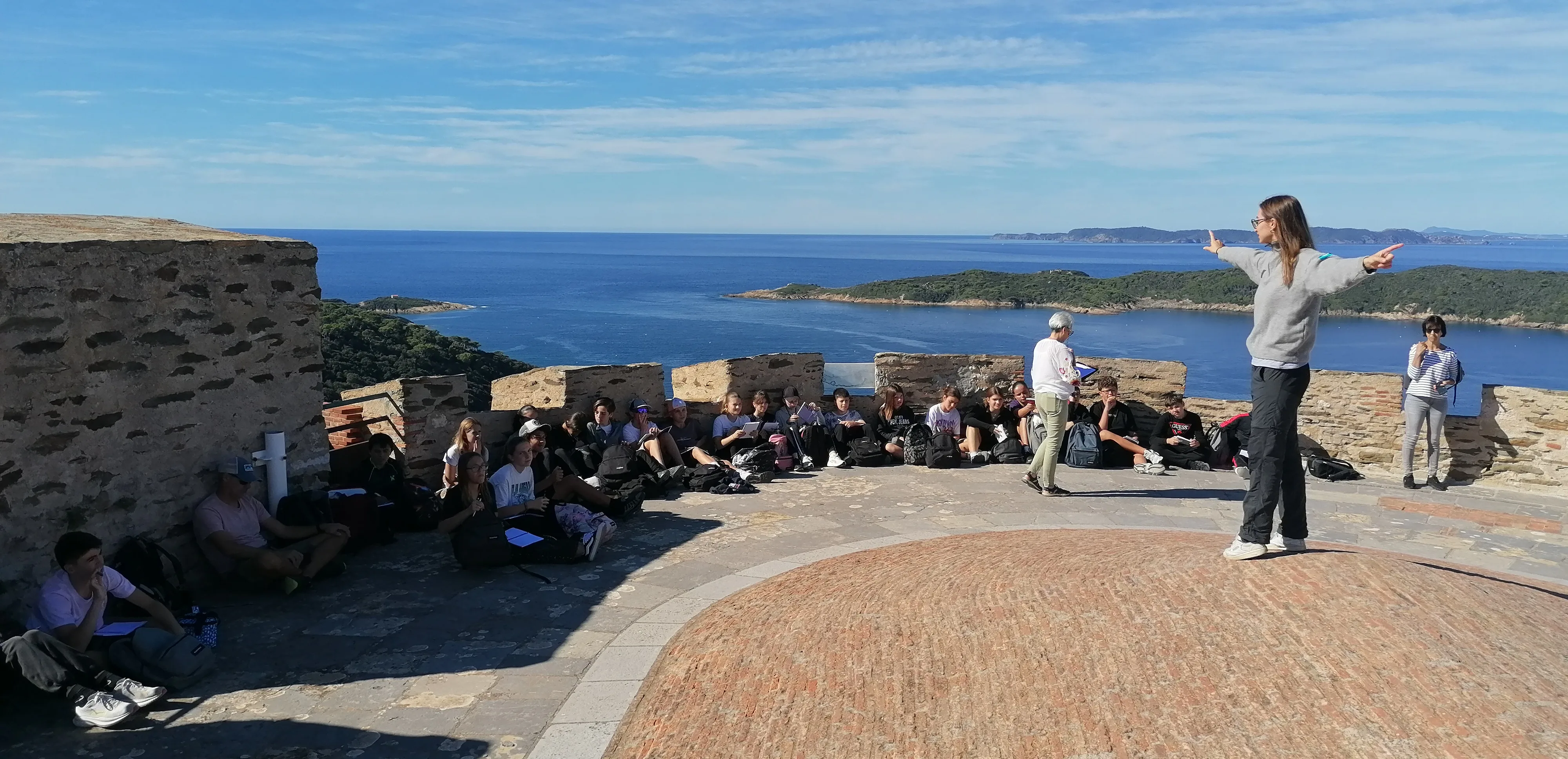
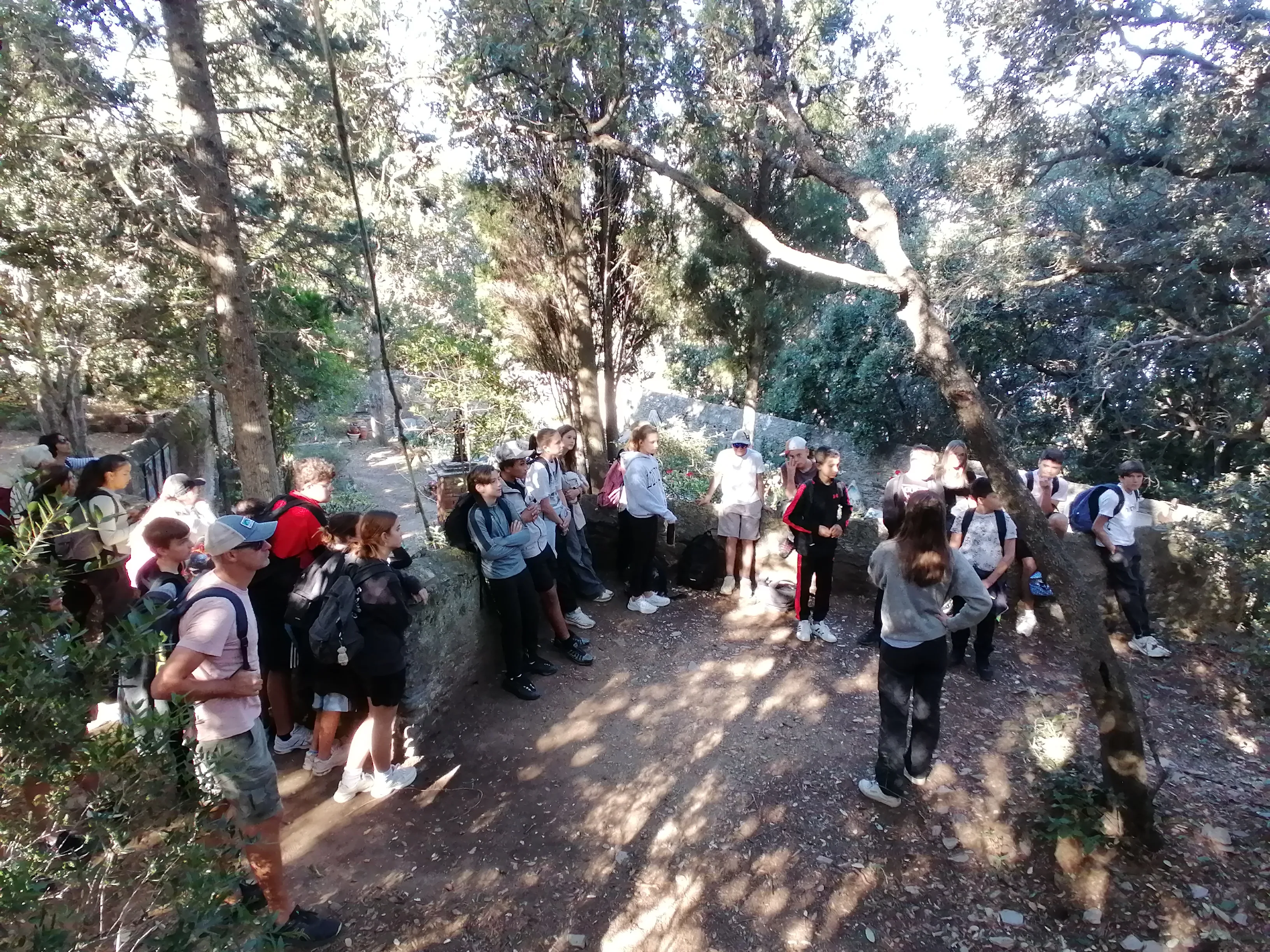
To fuel their creation, the students went on numerous field trips, transforming their school curriculum into a true exploration. The project was built around a central problem: how to make middle school students discover the biodiversity and history of their own geographic sector?
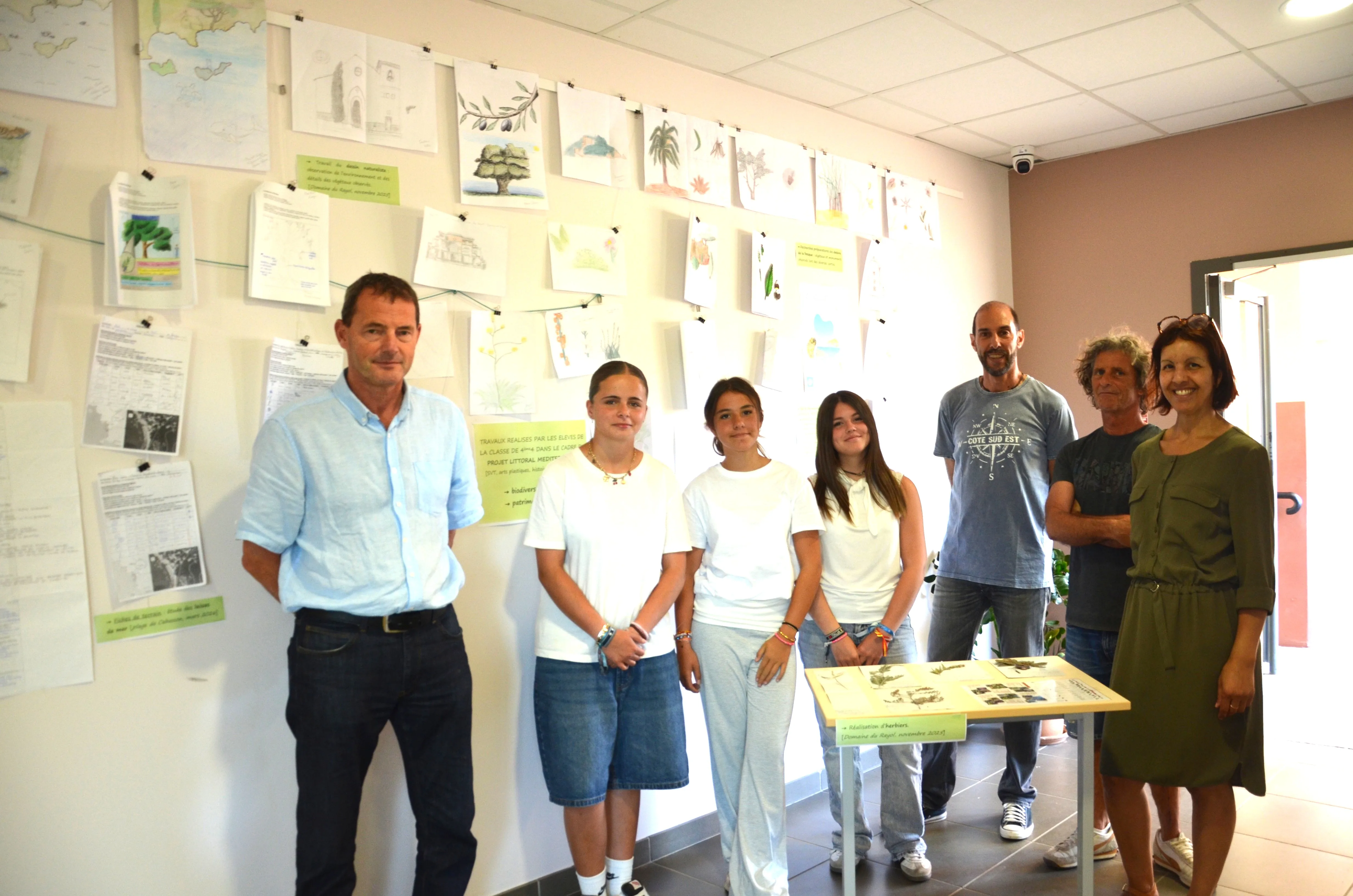
Throughout the year, it was during educational field trips and workshops (MHAB in Bormes, Domaine du Rayol, island of Port-Cros, beach of Cabasson, Fort de Brégançon, Fort du Pradeau, archaeological site of Olbia) that the students therefore worked
The approach was resolutely interdisciplinary. The students studied the geography of the sector, from Le Pradet to Rayol-Canadel-sur-Mer and from the plaine des Maures to the îles d'Or. They explored the different environments, plant biodiversity, and historical heritage.
Advertisement
A sports component was even integrated with themed orienteering races in Port-Cros and at the ancient site of Olbia, as well as a snorkeling excursion to close the year. The project brought together a tight-knit teaching team, including Christine Sautron (history and geography), Idrissia El Bouazizi (visual arts), and Sébastien Heitzmann (physical education).
A collective and evolving 20 m² artwork
In order to share their discoveries with the entire school, the choice fell on creating a monumental artwork in one of the stairwells.
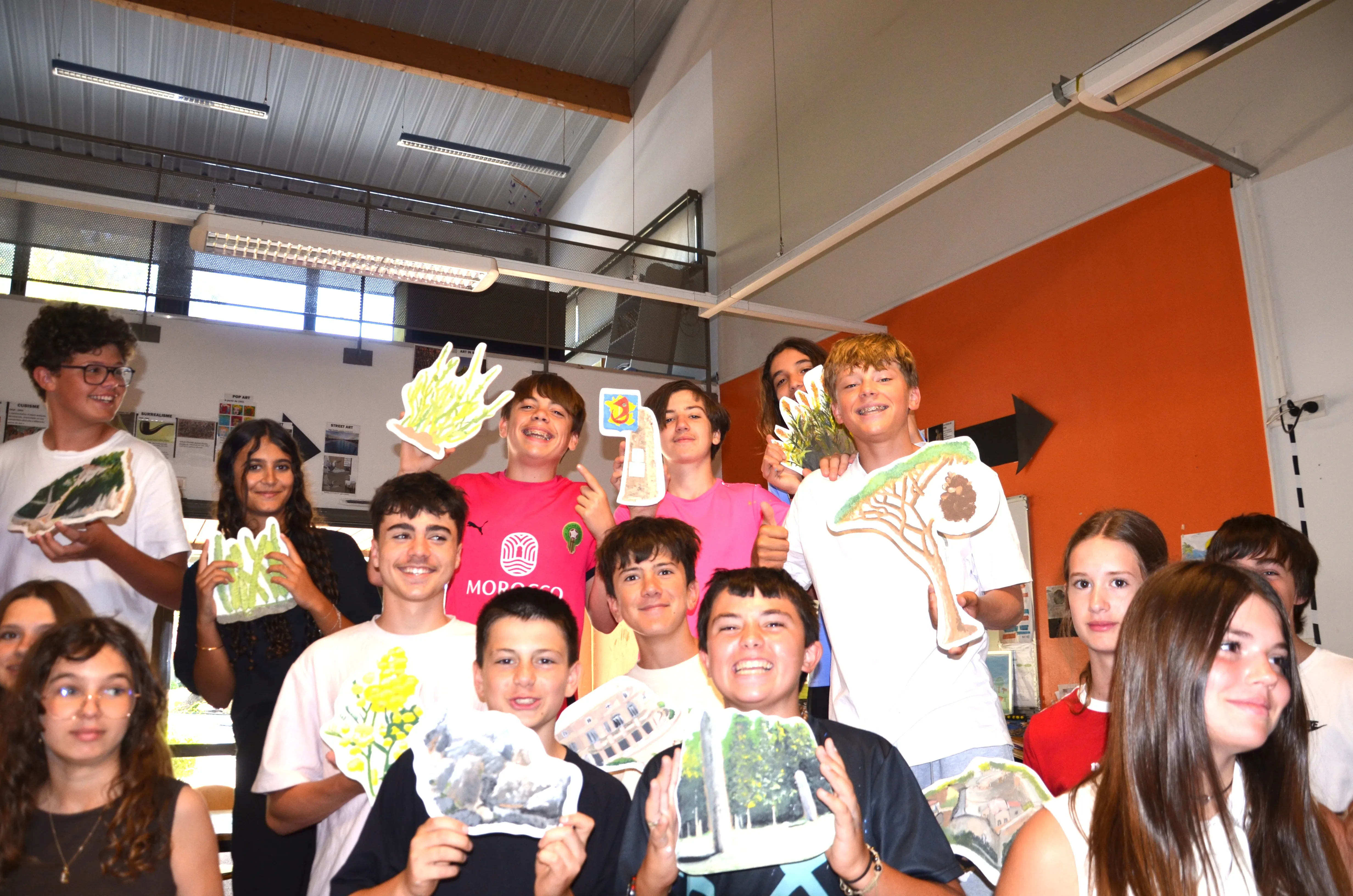
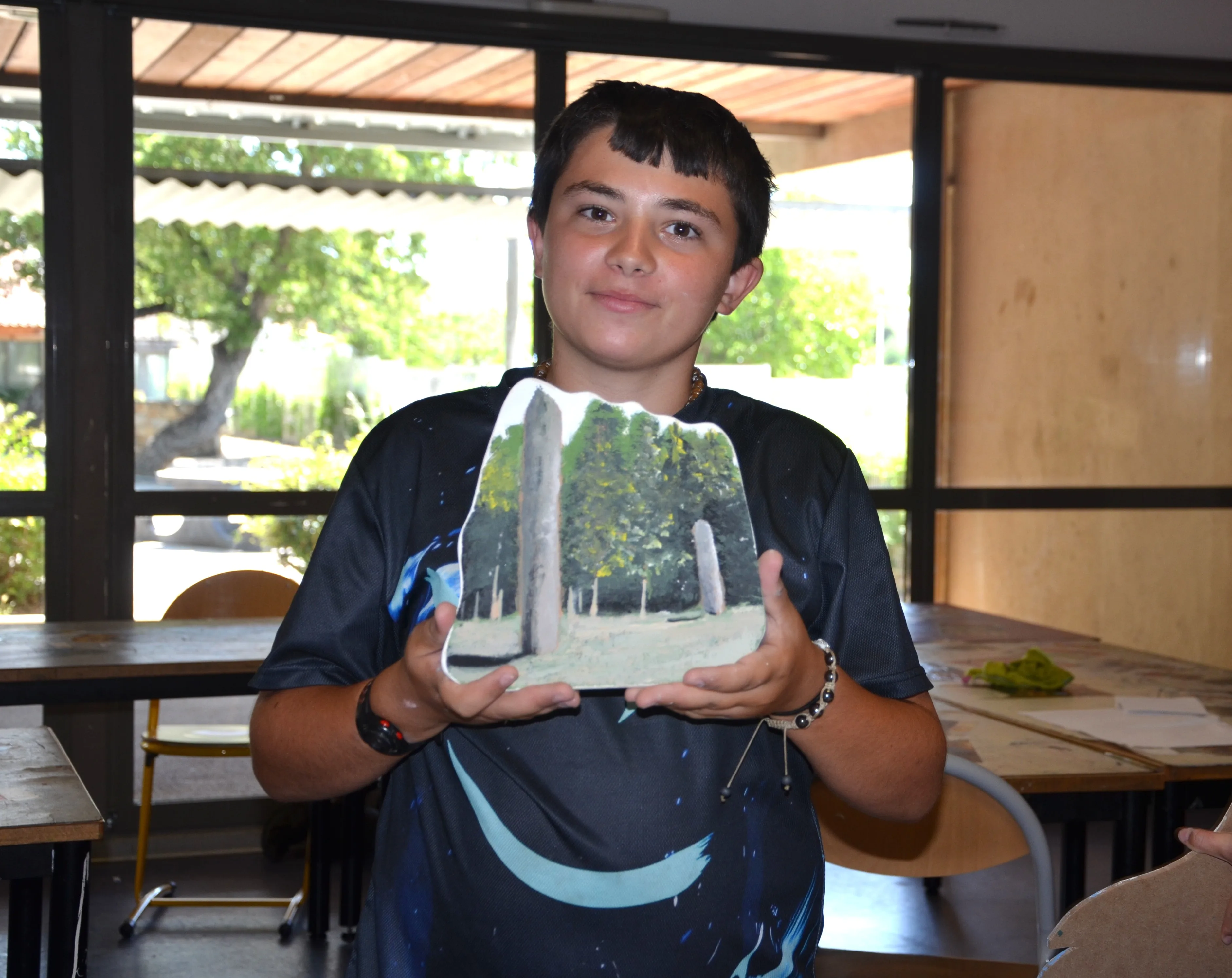
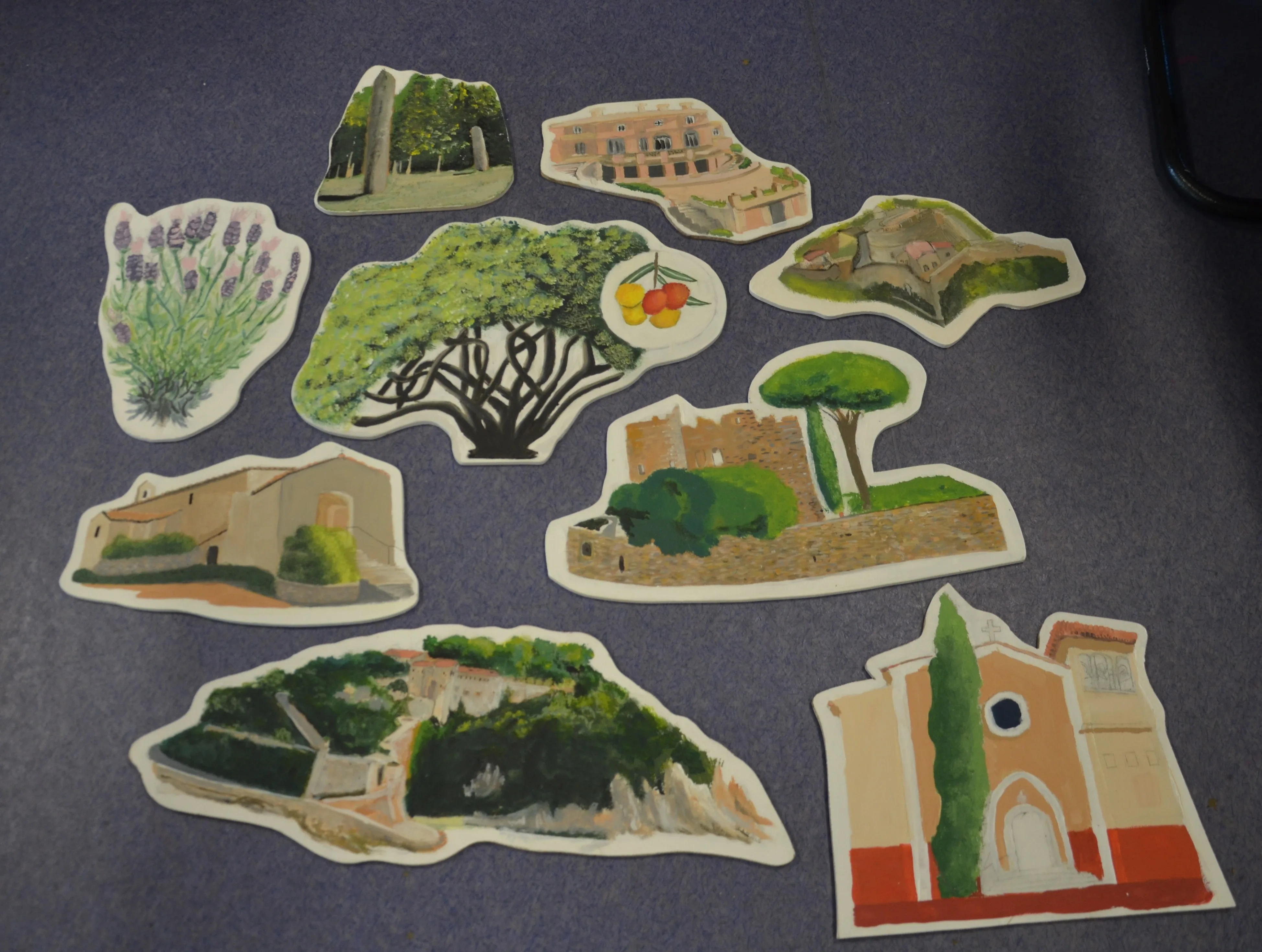
Supervised by the artist Marc Ubeda and their visual arts teacher, the students first conducted studies before drawing and painting a selection of elements representative of their encounters on boards.
These elements were then placed on the background of the fresco, a large physical map of the studied territory, chosen by the students themselves. This first phase, focused on terrestrial and marine biodiversity as well as heritage, is just a beginning.
The 'Mediterranean coastline II' project, planned for the 2026/2027 school year, will complete the artwork with iconic animal species and other historical treasures. Ultimately, the fresco will serve as a living educational tool within the school.
An ecosystem of mobilized partners
The success of such a project relies on a strong network of support. The partnership with the Parc national de Port-Cros, renewed for this year, was essential, providing logistical and financial support for guided tours and maritime transport.
The school's European Social Fund (ESF) and the local PEEP parent-teacher association also contributed financially.
Finally, the municipality offered its logistical support by providing bus transport and ensuring free admission to the Musée d'Histoire et d'Art (MHAB) and the fort de Brégançon.
The fresco and its elements will soon be inaugurated in the presence of the students, their families, and all the partners who made this adventure possible.
Article from the print edition of La Gazette du Var