She answers questions from La Gazette du Var.
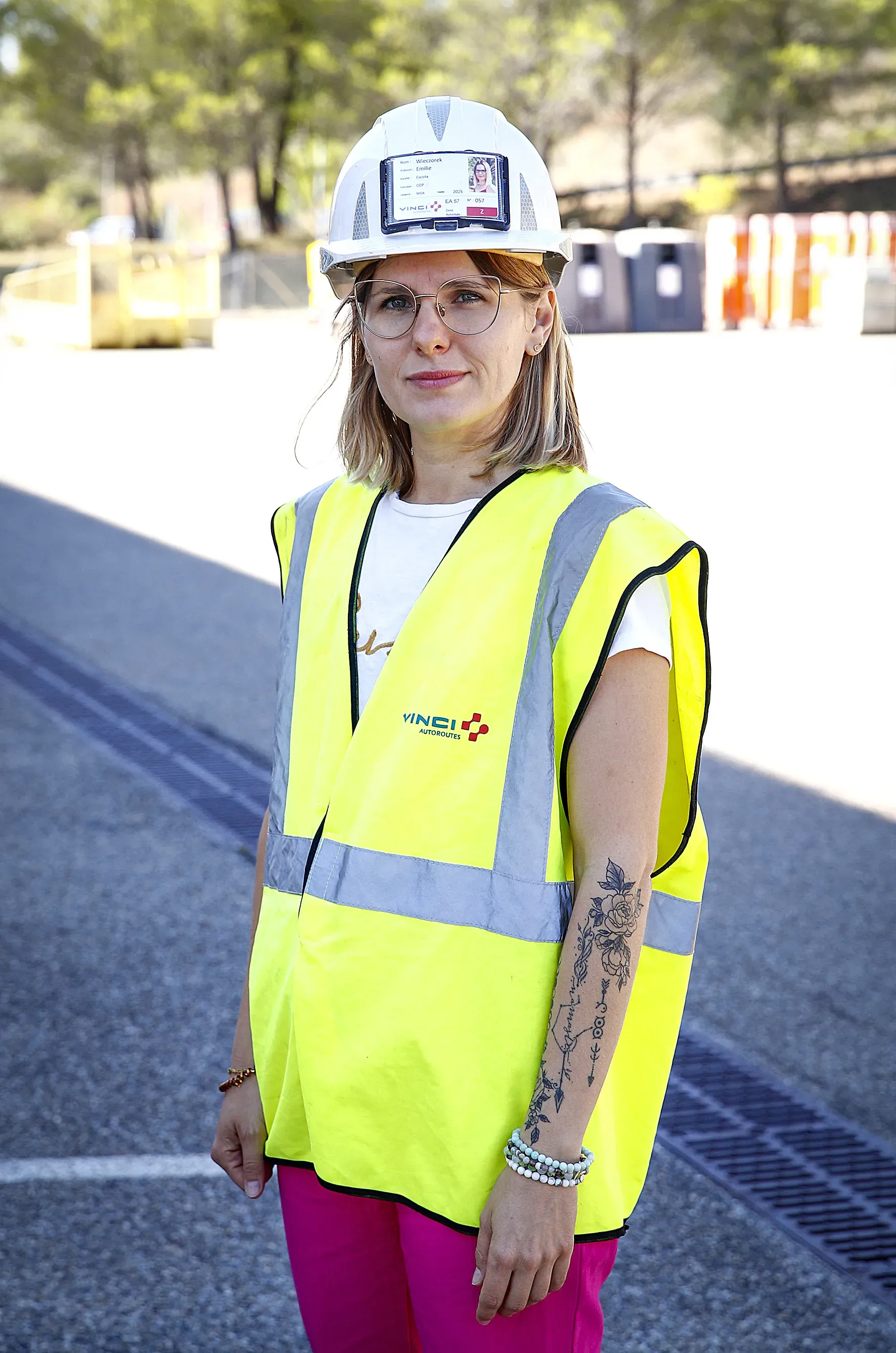

Quelle était la nature de votre mission ? Je suis arrivée au moment du dossier de déclaration d’utilité publique. Ensuite, j’ai tout suivi : études, montage des marchés, puis chantier. Je pilotais les volets liés à l’environnement — écrans acoustiques, bassins de rétention, végétalisation — mais aussi un champ plus inattendu : l’insertion sociale. Mon rôle consistait à faire en sorte que chaque composante du projet s’intègre durablement dans le territoire, techniquement et humainement.
One can imagine the constraints, the tensions, the unexpected?

Surprisingly, these unexpected events were a driving force. Sometimes we are in intense periods where we have to recalibrate and reorganize everything. But I love those moments when you have to think fast, as a team, to find solutions. There is a stimulating dynamic in collective problem solving. I have always preferred slightly winding paths to a straight line with no surprises.
Was there a specific moment that stood out to you?
Advertisement
The transplanting of palm and olive trees... They almost stole the spotlight from the concrete. From the very first meetings, we understood that these trees were part of the emotional landscape of the Toulonnais. We couldn't just cut them down, so we chose to preserve them. It was a way of respecting the identity of the territory, of saying to the Toulonnais: we are transforming, it made sense. This kind of gesture tells a different story than measurements, schedules, and carbon footprints. It tells of care, a desire to do well for the place, for those who live there. And then, it was very concrete to tell my children: "Look, those ones, mommy moved them".
Exactly, how did you experience this on a personal level?
This construction site marked a foundational period. I had my second child here, and I also rebuilt a circle of friends, having arrived from Montpellier. At home, this project was part of our daily life. My son was amazed by the machinery, the replanted palm trees, the landscaped roundabouts. My partner was a constant support. These years brought us together, in mutual respect for our commitments.
And on a professional level, what did you discover about yourself?
I have made huge progress in human management. I learned to adapt my language according to who I was speaking to: a local resident, an elected official, a worker, an engineer... You have to know how to listen, simplify, defuse. I think my environmental background gave me a particular sensitivity to the impact of our actions. But this adventure also shaped my approach: rigor, adaptability, and always, the concern for working collectively. We built much more than a structure. We built a team.
A team that, little by little, is dispersing?
Yes. The operations management is coming to an end. Some have already left for other projects. But we keep this unique bond. They weren't just colleagues: we went through something together. We managed intense situations, moments of doubt, shared successes. What will remain from all of this is an immense pride... and many friendships.
A final word?
This construction site is a beautiful chapter. Not just because it was technically successful, but because it was a human success. If I had to take away one thing: we can combine excellence with care for others. And when that is the case, the results are not only visible in the landscape. They are also visible in people's eyes.
Interview conducted by Pierre BEGLIOMINI Photos VINCI Autoroutes.