400 years of history celebrated with great pomp
On February 10, Vice-Admiral Christophe Lucas presented the events marking 400 years of the Marine nationale in Toulon.
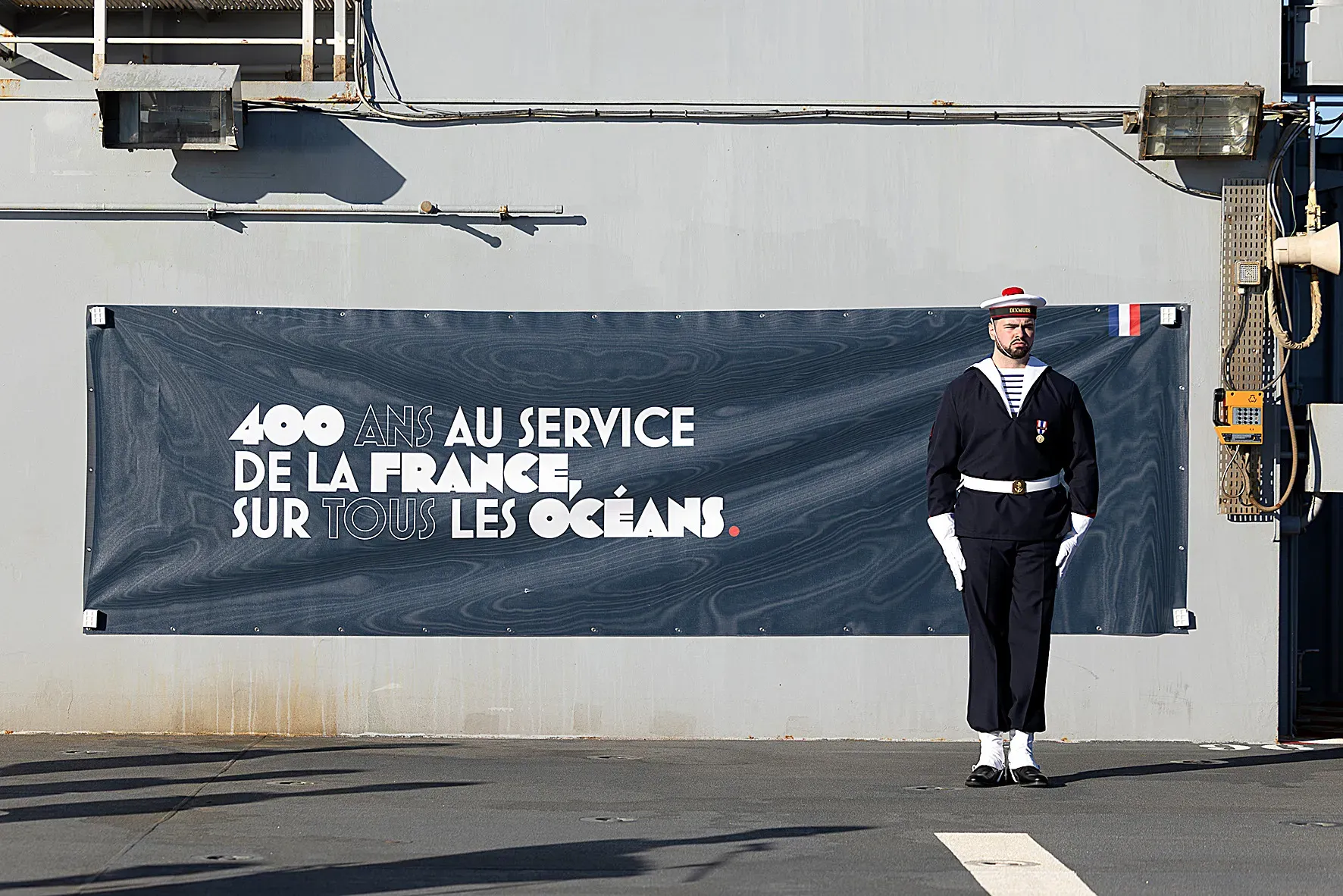
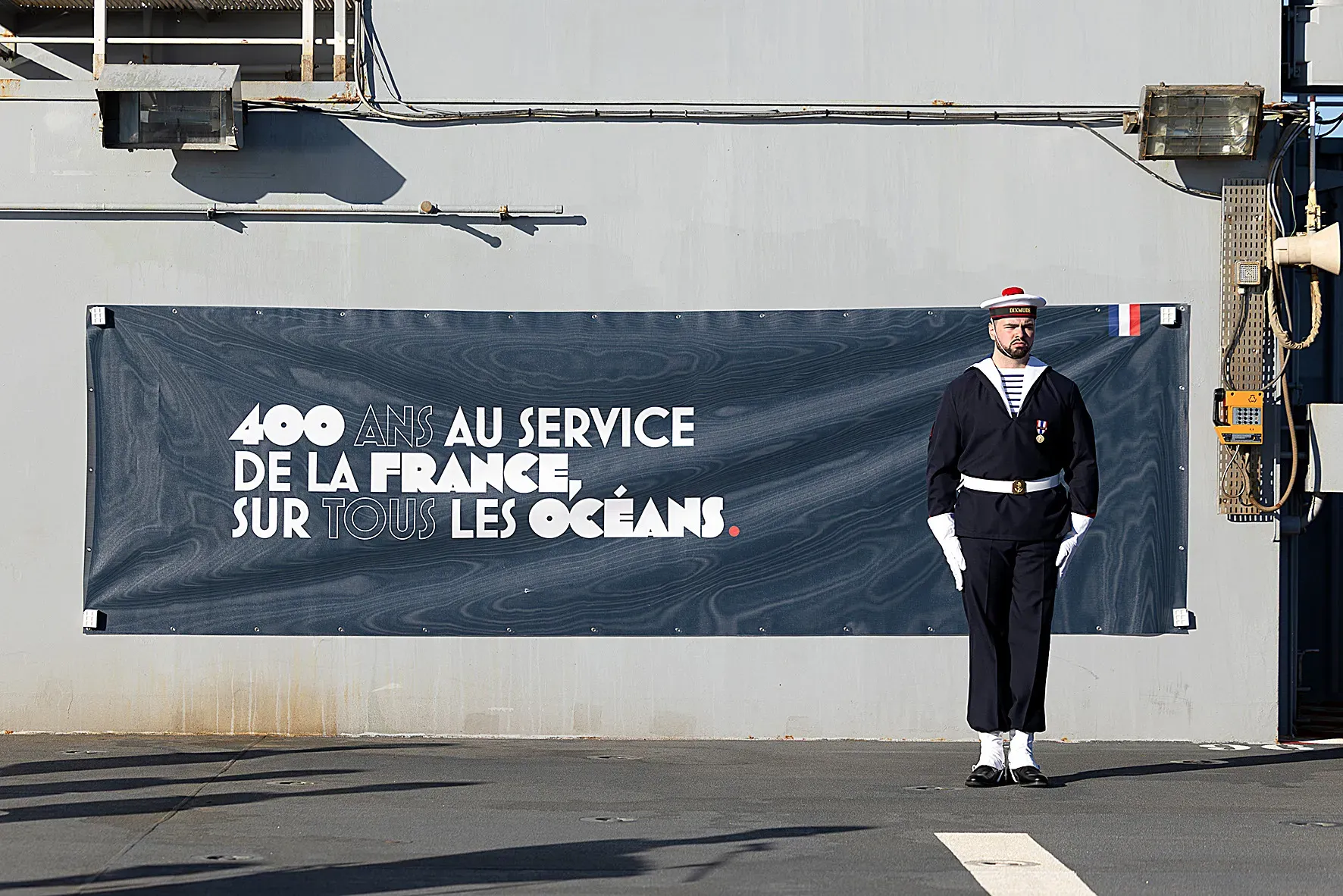
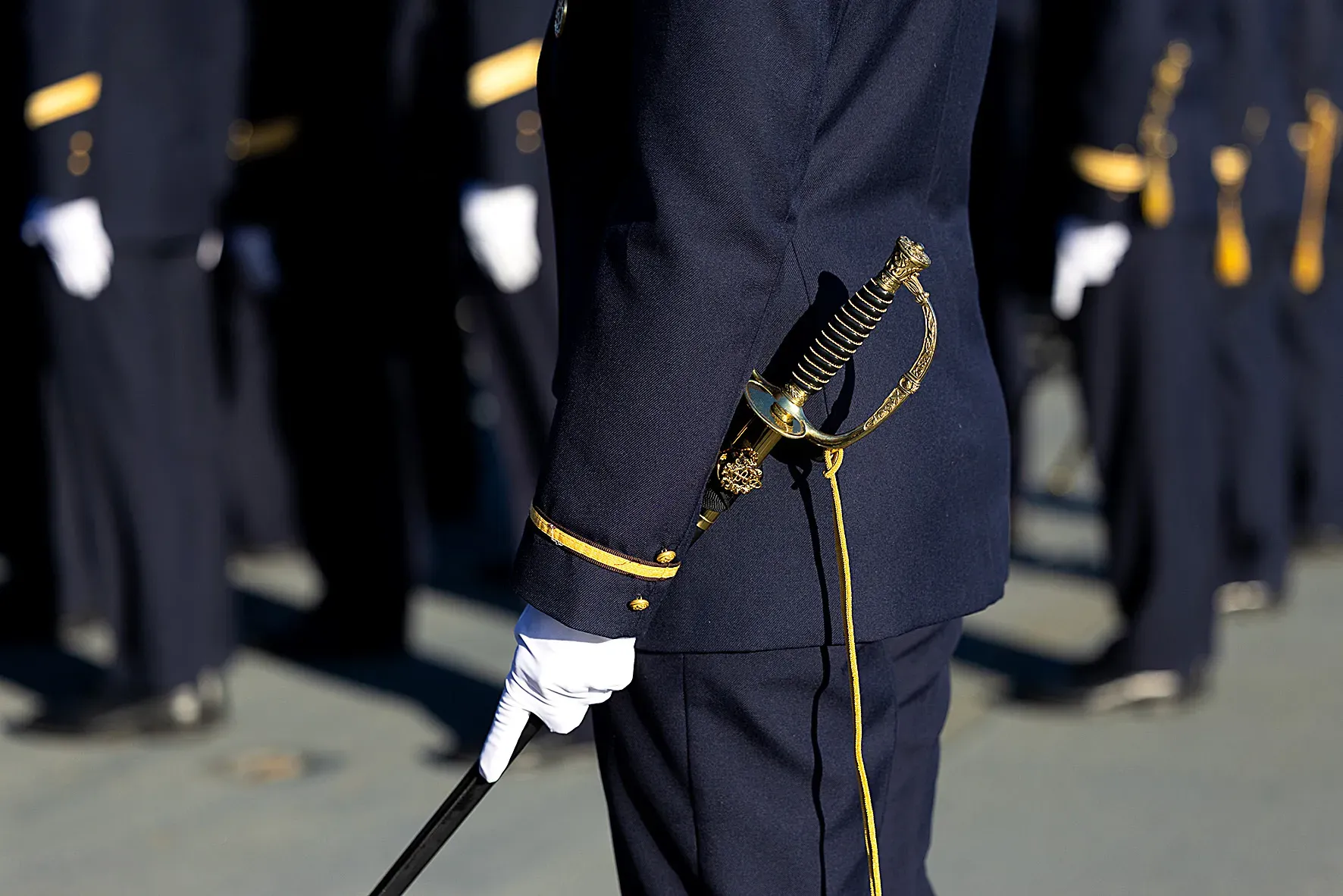
On February 10, the musée national de la Marine hosted a decisive press conference for the year ahead. Vice-Admiral Christophe Lucas, commander of the arrondissement maritime Méditerranée, unveiled the program of festivities marking the 400th anniversary of the Marine nationale. This event is not intended to be solely commemorative. It aims to launch a year of celebrations that will spread throughout the entire arrondissement maritime, reaffirming the indestructible bond between the naval forces and the Var territory. Indeed, for its 400th anniversary, the Marine nationale is celebrating its history closely linked to Toulon with numerous events throughout the year 2026. Exhibitions, ceremonies, and naval demonstrations will punctuate this anniversary year, recalling the founding role of the Var port in the constitution of a permanent maritime force for France.
FOUNDING ACT OF RICHELIEU
The history of the French navy took a decisive turn in the 17th century. In October 1626, under the reign of Louis XIII, Cardinal de Richelieu laid the foundations of a structured and permanent State navy, a break with previous practices. 'Before Richelieu, the king did not have a Navy at hand, meaning that when he went to war, he had to requisition merchant ships, etc., to arm them and then go to war. He realized that it would be wiser to have a permanent Navy in the king's pay to be able to deal with unexpected events and potential conflicts,' specified Elsa Lewuillo, administrator of the musée national de la Marine in Toulon. This strategic decision aimed to provide the kingdom with a unified naval power capable of competing with its neighbors. Vice-Admiral Christophe Lucas emphasized the importance of this centralization: 'It is truly the founding date of a permanent State Navy under a unified command. It unified two Navies, what was called the Marine du Ponant and the Marine du Levant. Thus, the one on the Mediterranean coast and the one on the western coast. This unification was sealed by the Édit de Saint-Germain-en-Laye, which forbade parliaments from interfering in the affairs of the State and its administration.'

TOULON, STRATEGIC HOME PORT
Thus, Toulon was chosen as the main military port for the Méditerranée. Its location at the heart of a naturally protected roadstead was a major asset. The defense of the site, already ensured by the imposing Tour Royale, was then reinforced on the orders of Richelieu by the construction of the fort de Balaguier in the commune of La Seyne-sur-Mer. This choice would permanently transform the city. 'The designation of the port of Toulon as one of the largest military ports, already under Richelieu and Louis XIII, would truly trigger an enormous economic and population development for the city,' analyzed Elsa Lewuillo. Over the course of four centuries, the military port of Toulon has continuously evolved, moving from wooden hulls to steel hulls, from sail propulsion to nuclear propulsion, and from cannons to missiles. Today, it is the leading naval base in Europe, bearing witness to this uninterrupted history.
A YEAR OF CELEBRATIONS
To celebrate this quadricentennial, the Marine nationale has planned a rich and varied program throughout the year 2026. The calendar includes thematic exhibitions, commemorative ceremonies, and even rugby matches pitting its teams against those of the British Royal Navy. Two major highlights are particularly anticipated. On May 8, 2026, an impressive demonstration of naval force will be held in the southern roadstead of Marseille. Later in the year, on September 5, it is in the heart of Toulon, on the place de la Liberté, that the Marine nationale will commemorate the bataille de Chesapeake. This event, which usually takes place within the naval base, will be open to the general public for the first time, offering a unique opportunity to share this solemn moment with citizens. Many activities for all audiences are also offered by the musée national de la Marine to help discover this rich history. •
Photos by Philippe OLIVIER.