From the 'bananas' of Algérie to anti-submarine warfare
Based in Hyères, it celebrated its 70th anniversary on May 30, recalling a rich history from the Algérie war to modern Caïmans.
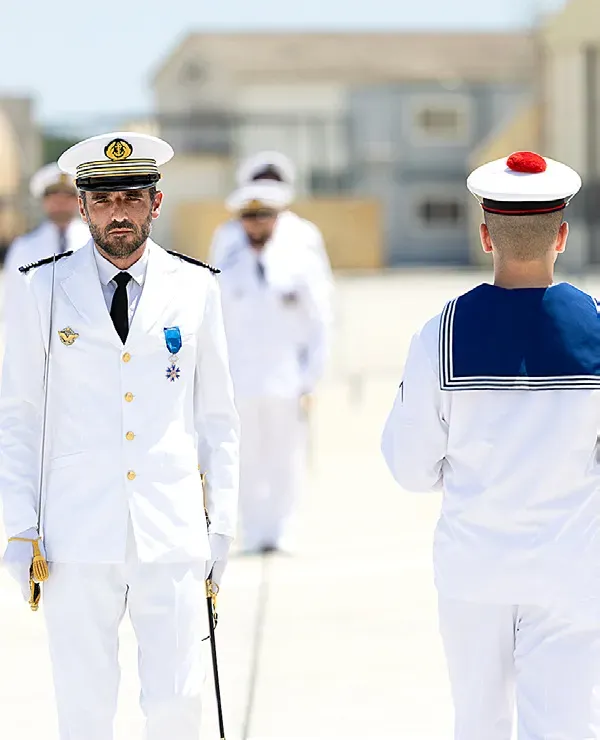
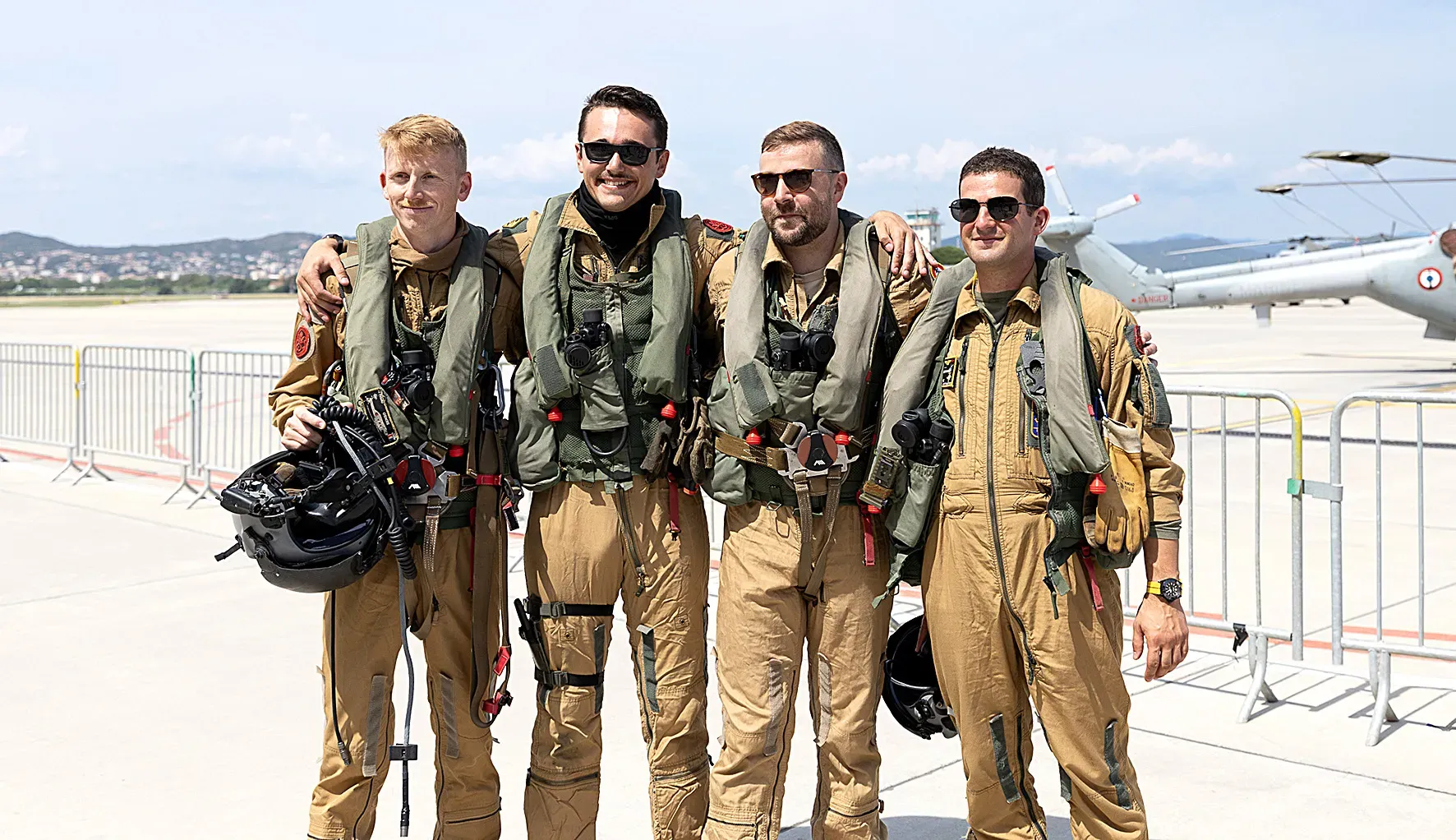
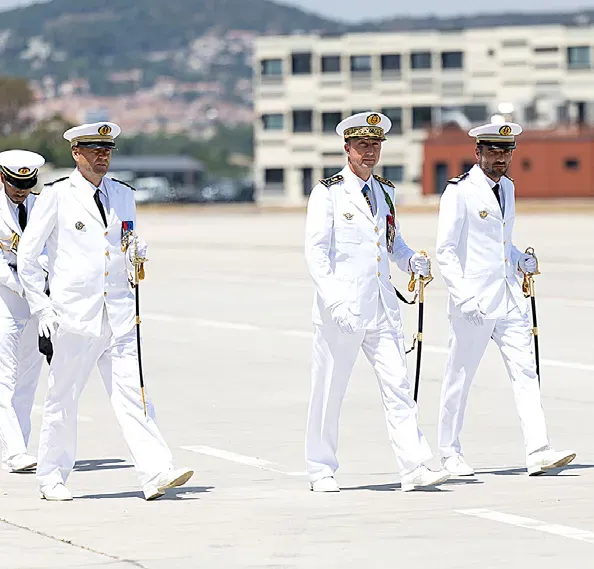
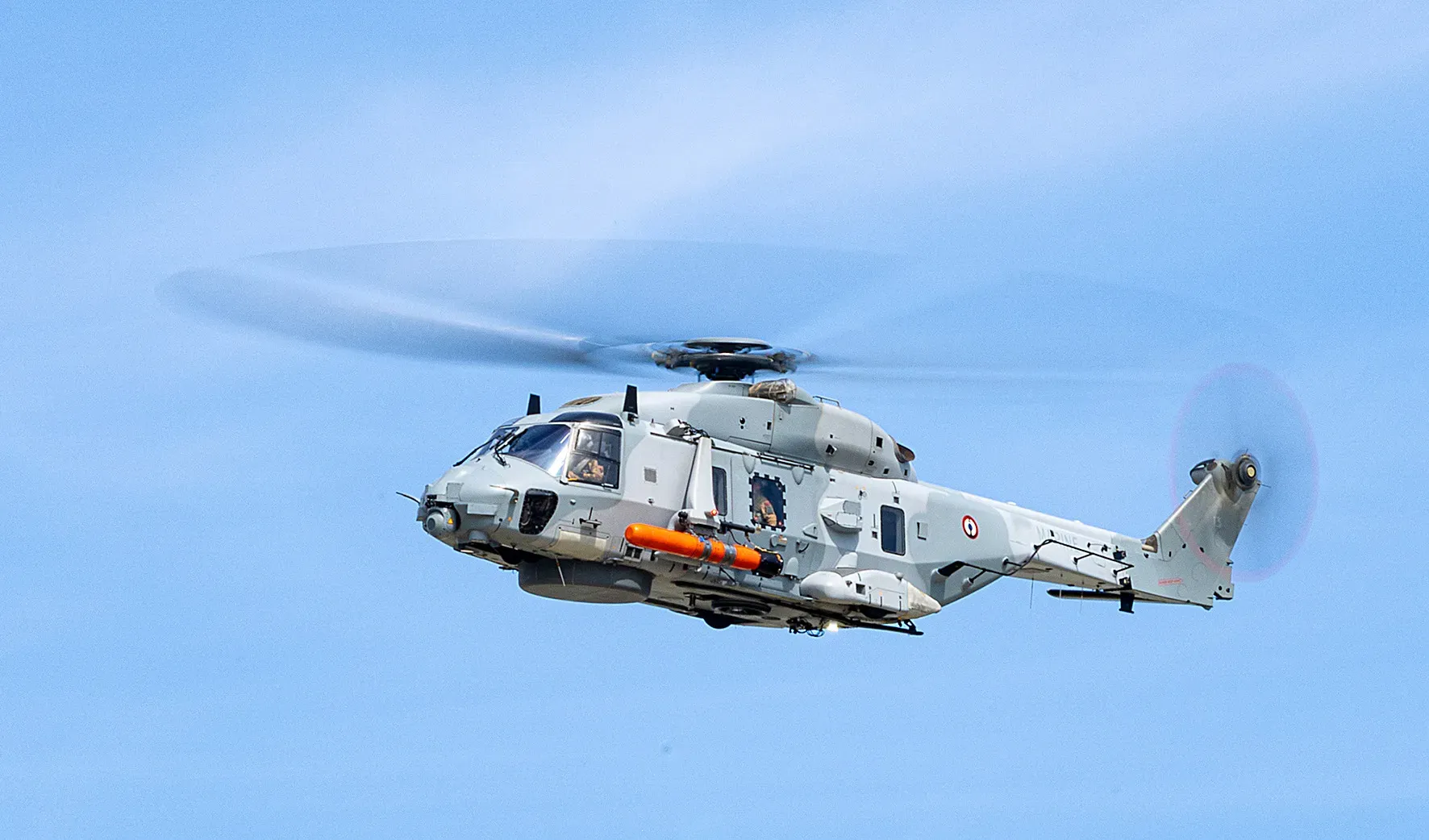
A day of commemoration, marked by a military ceremony presided over by Vice-Admiral David Desfougeres, commander of the Force de l'aéronautique navale, a static display and an aerial demonstration.
This event retraced an epic journey that began in the difficult context of the Algérie war to establish itself as a cutting-edge player in 21st-century naval combat. Created on August 1, 1956, in Algérie, the Flottille 31F was equipped with Sikorsky H-21, nicknamed 'bananas' due to their distinctive silhouette. From its first year, its engagement included more than 4,000 troop transports and 6,000 flight hours.
This birth in the heart of the conflict was marked by courage, innovation, but also by sacrifice.
Advertisement
In 1961, the flottille left Algérie to settle in Saint-Mandrier. A new era began, that of specialization in anti-submarine warfare (ASM).
During the Cold War, it became a link in the deterrence chain, protecting French aircraft carriers and participating in nuclear tests in Mururoa. Equipped with HSS helicopters and then the Lynx from 1978, it established itself as a recognized expert in tracking submarines. Its history is punctuated by external operations, from Beyrouth in 1982 to Yougoslavie and Irak in the 1990s.
Transferred to Hyères in 2003, then reactivated in 2012 after a brief hibernation, the 31F entered a new dimension with the arrival of the NH90 Caïman Marine. This latest-generation helicopter combines the two historical identities of the flottille: combat and anti-submarine warfare.
Its versatility allows it to operate from the most modern frigates and the Charles de Gaulle aircraft carrier, ensuring a wide range of missions: anti-submarine and anti-surface warfare, maritime counter-terrorism, intelligence, and search and rescue at sea.
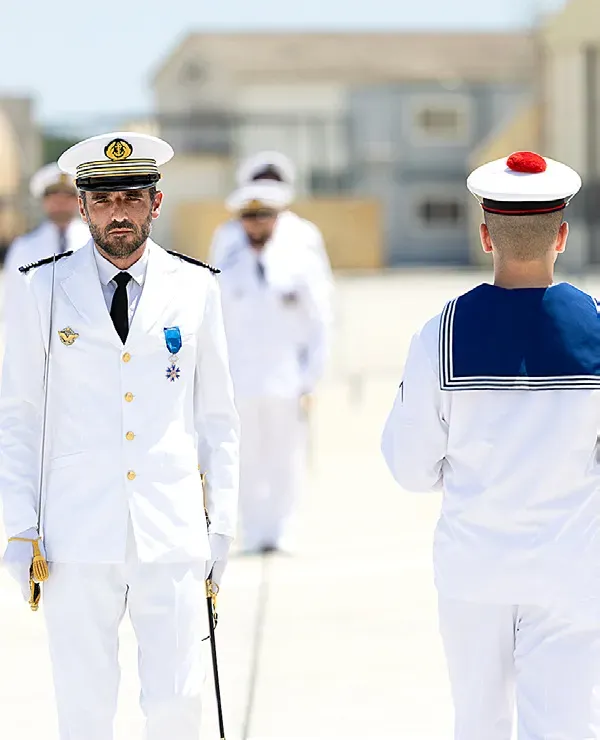
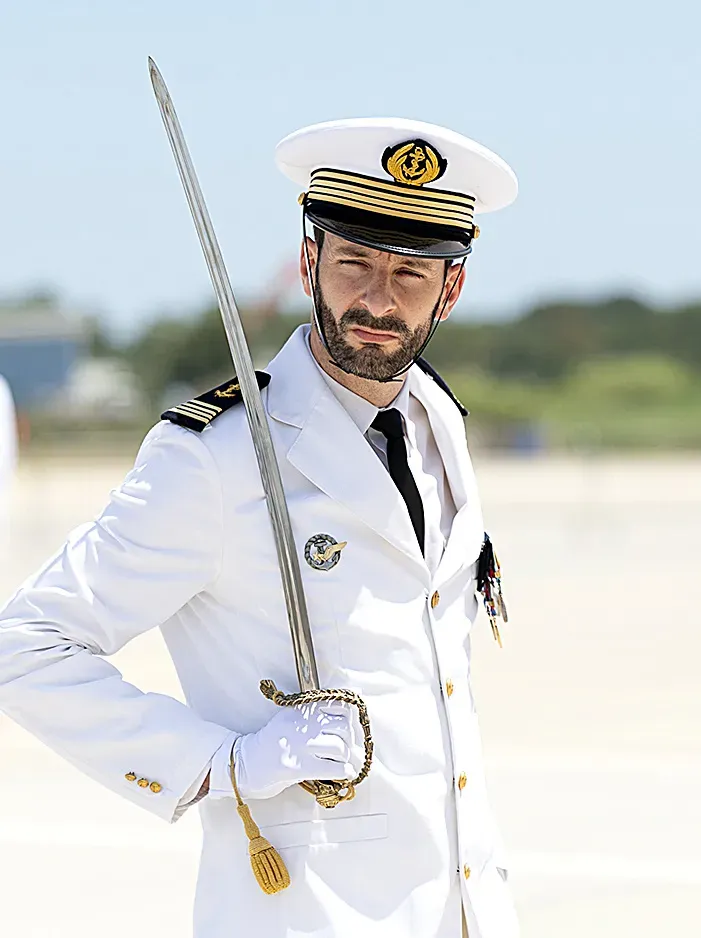
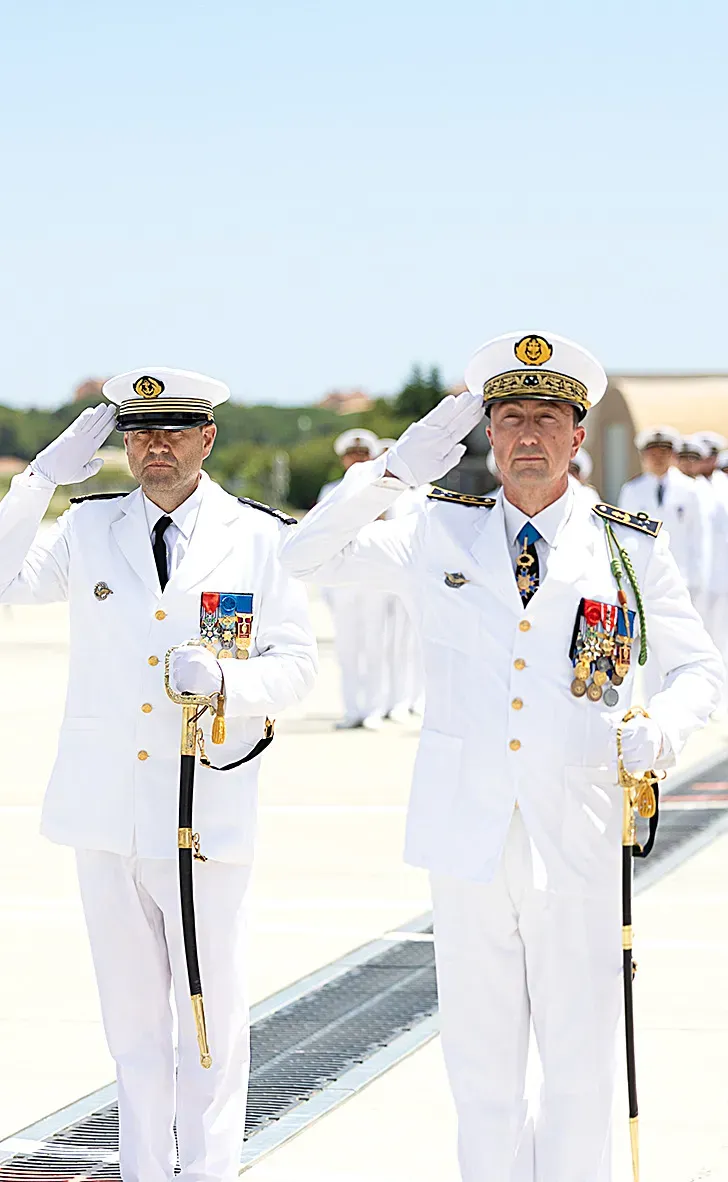
Photos Philippe OLIVIER.