Magistrates and ONU experts rethink the protection of the living
The Université de Toulon hosted the first Assises du droit de la nature, a summit to adapt the legal framework to ecological challenges.
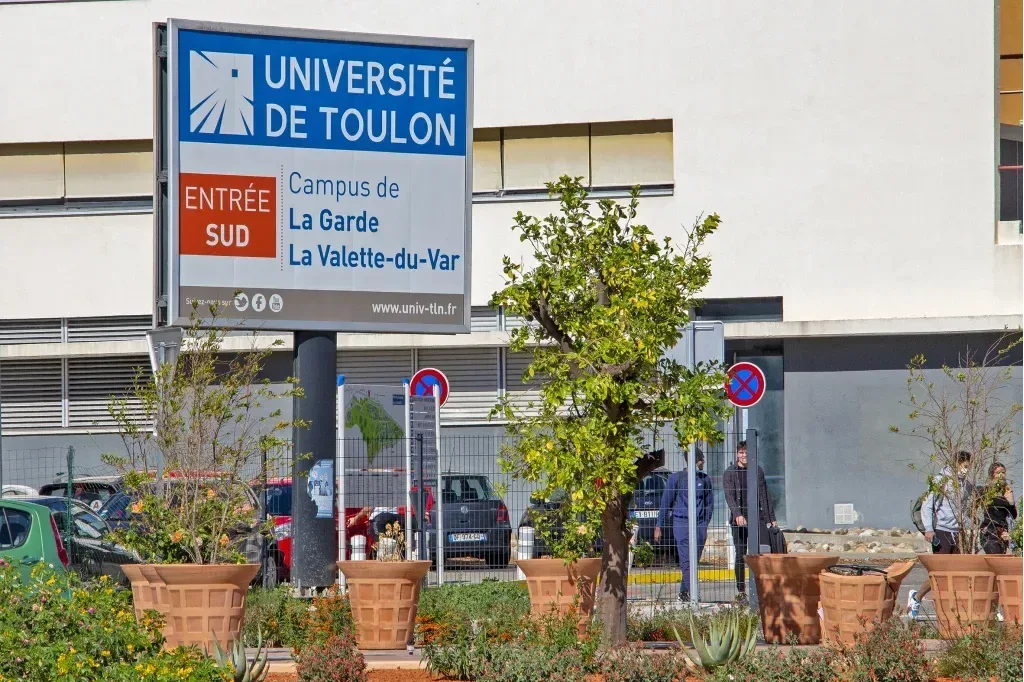
Faced with the accelerating climate crisis, the erosion of biodiversity, and growing pressures on vital resources, the current legal system is showing its limits.
To respond to this urgency, the Université de Toulon organized the first Assises du droit de la nature from July 1 to 3. This major event brought together high magistrates, academics, international experts, and representatives of civil society to rethink the legal protection of the living.
High magistrates
The objective was to draw up an inventory of existing legal tools and explore the emergence of a new normative framework better able to respond to contemporary global upheavals.
Advertisement
These Assises took place under the scientific responsibility of leading figures: Gilles Charbonnier, avocat général at the Cour de cassation, as well as Caroline Regad and Cédric Riot, teacher-researchers at the Faculté de droit de Toulon. All three are experts of the "Harmony with Nature" program of the Nations Unies.
The first two days were dedicated to the 3rd Rencontres des hauts magistrats de l'espace international francophone. Organized by the Association internationale des procureurs et poursuivants francophones (AIPPF), they brought together magistrates, prosecutors, and academics from several countries.
The debates were structured around concrete cases and feedback on topics such as environmental damage, the influence of ecological challenges on institutions, and the rise of new legal concepts.
A legal personality for nature?
A central question was debated: that of granting legal personality to nature, which would allow ecosystems (rivers, forests) to be defended in court as subjects of law.
This approach, already experimented with in several countries, constitutes a major avenue of evolution for environmental law.
An objective for the Sommet de la Terre 2030
By fostering dialogue between legal practitioners, scientists, and field actors, these Assises were part of a reflection conducted under the aegis of the Nations Unies.
They aimed to evolve the jurisdictional protection of ecosystems and to feed into the rewriting of the ODD in anticipation of the Sommet de la Terre of 2030.
The Université de Toulon thus confirmed its role as a crossroads between research, institutions, and civil society to build the legal frameworks of tomorrow.
Article from the print edition of La Gazette du Var