Elite divers and robots tackle the wreck of La Lune
Drassm and the Marine nationale conducted a human and robotic exploration of the wreck of the royal vessel La Lune.
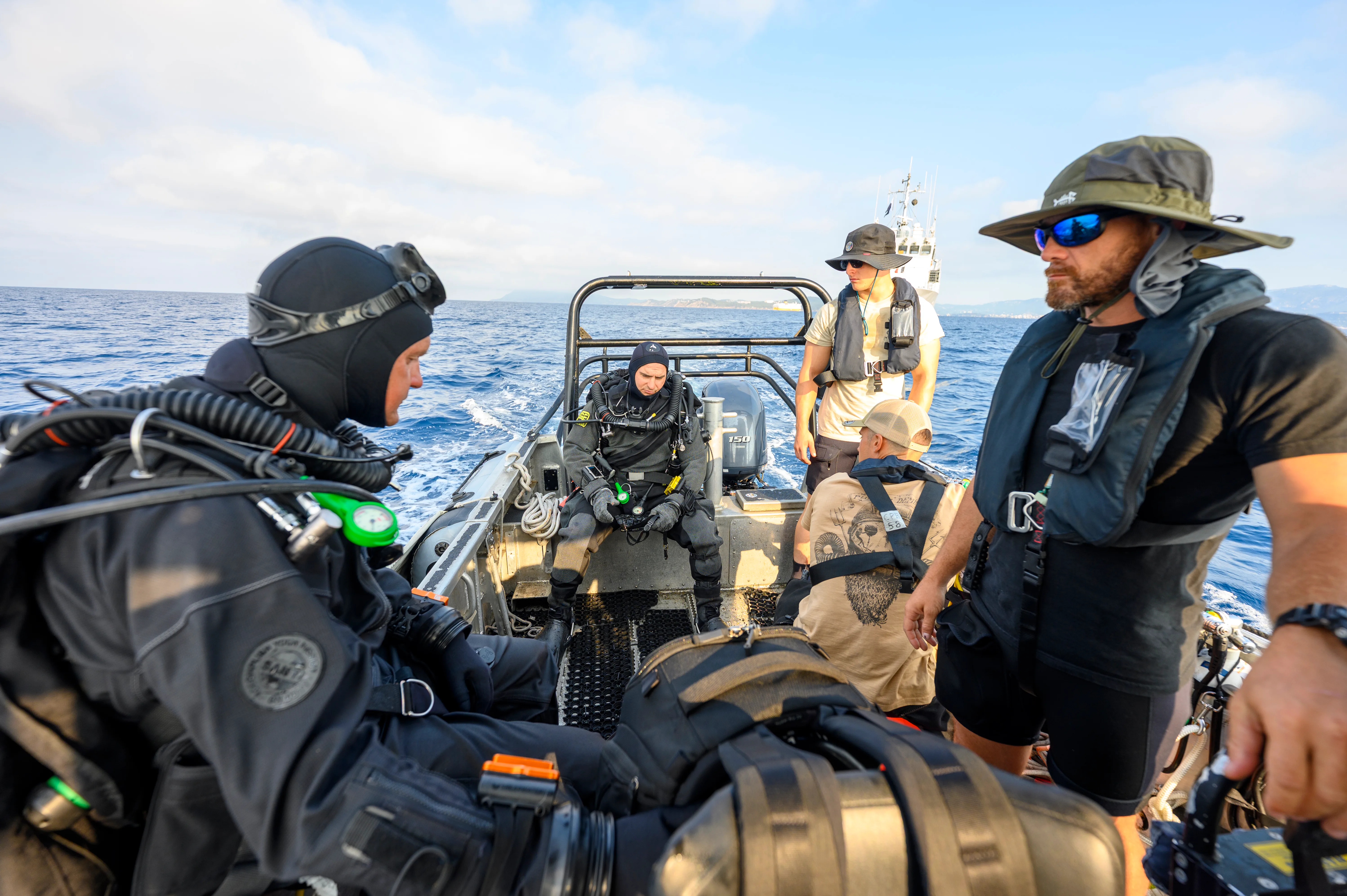
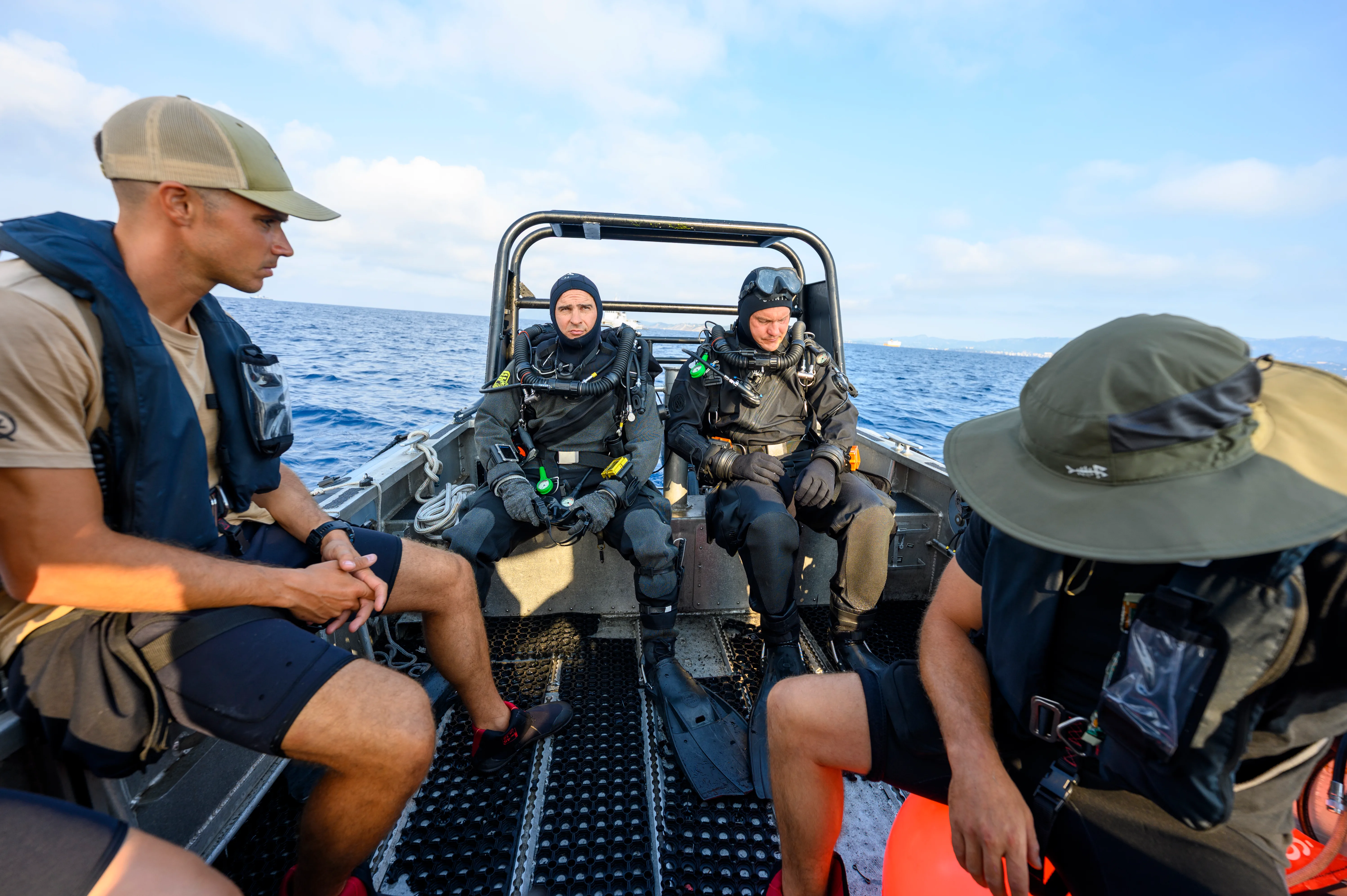
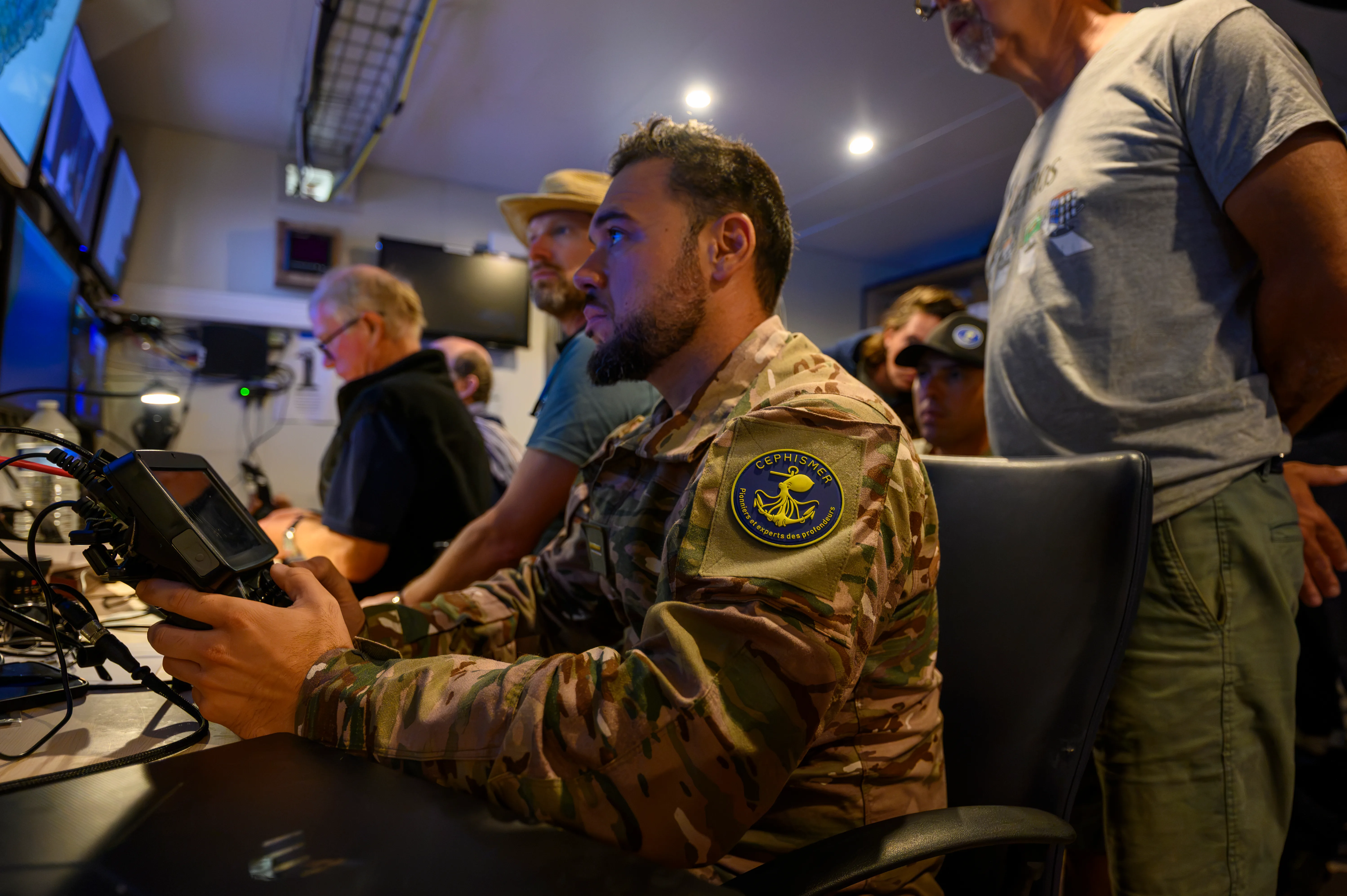
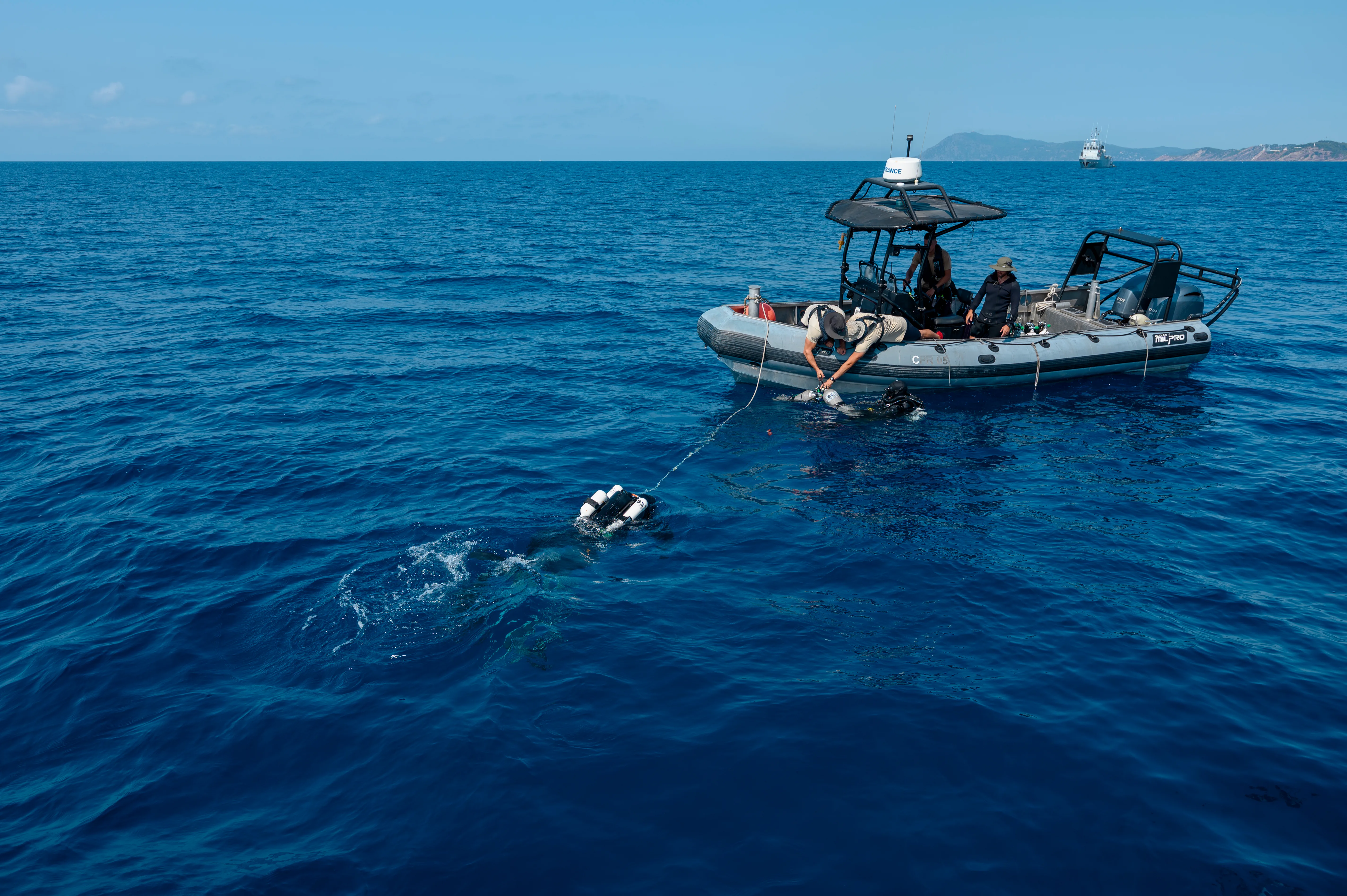
A highly technical archaeological mission, named "Objectif Lune", concluded on July 10 off the coast of Toulon. For five days, experts from the Département des recherches archéologiques subaquatiques et sous-marines (Drassm) and elite divers from the CEPHISMER of the Marine nationale explored the wreck of La Lune.
This vessel of the fleet of Louis XIV lies at a depth of 90 meters. The operation combined deep-sea human diving and state-of-the-art robotic intervention on this exceptional site for the very first time.
La Lune, a 17th-century time capsule
The fate of La Lune is a maritime tragedy that marked history. On November 6, 1664, the ship, returning from a disastrous military expedition to Djidjelli (present-day Algeria), sank with all hands in a matter of moments during a violent storm off the Hyères islands.
Advertisement
Already in very poor condition and overloaded, it took more than 900 people to the depths. Discovered in 1993 by the Ifremer submarine Nautile, the wreck has been a major study site since the 2010s for the Drassm, co-directed by Olivia Hulot and Michel L’Hour.
Previous campaigns have already recovered incredibly rich archaeological materials: ceramics, tableware, artillery pieces, and even the ship's bell. These witnesses of life on board during the era of the Roi-Soleil are partly on display at the Musée national de la Marine in Paris.
With the wreck resting at 90 meters, well beyond the legal limit of 50 meters for air diving, its study has always represented a technological challenge. Until now, research was conducted using remotely operated underwater vehicles (ROVs) from the Drassm scientific vessels.
Divers and robots in action
The July campaign marked a turning point. Six divers from the Centre Expert Plongée Humaine et Intervention Sous la MER (CEPHISMER) collaborated with the Drassm teams.
The objective was to recover iconic objects spotted in 2025, including a bronze cannon bearing coats of arms and a huge water jar.
For this delicate task, the divers were assisted by two robots: Hilarion (Drassm) and Deep Trakker (CEPHISMER). They provided lighting, video documentation, and completed the 3D modeling of the site.
A strategic partnership
Under the aegis of the maritime prefect of the Méditerranée, this mission served as an exceptional training ground for the Marine nationale. CEPHISMER is developing procedures to extend the capabilities of its clearance divers, aiming for a depth of 120 meters for 15-minute interventions.
The mission on La Lune was a unique opportunity to validate these protocols in real-world conditions and to practice complex technical tasks.
Advertisement
These skills are essential for future missions involving seabed control, submarine rescue, or State actions at sea. The CEPHISMER experts brought their expertise in underwater engineering and heavy lifting, which was indispensable for recovering the artifacts.
Drassm, 60 years of service to submerged heritage
The Département des recherches archéologiques subaquatiques et sous-marines (Drassm) is a department of the Ministry of Culture responsible for managing and studying archaeological heritage throughout the French public maritime domain.
Founded on September 30, 1966, by André Malraux, then Minister of Culture, it was the first service of its kind in the world. In its 60 years of existence, Drassm has conducted operations on nearly 2,000 sites, becoming an international reference in underwater archaeology and robotics.
The year 2026 marked this sixtieth anniversary, celebrated through numerous events in partnership with historical institutions like the Marine nationale, which, for its part, was celebrating its 400th anniversary.
Please note...
All information regarding research and events is available at https://www.drassm.fr.
Article from the print edition of La Gazette du Var