A deceptive recovery against the backdrop of a new housing crisis
The Observatoire Immobilier de Provence draws up a contrasted assessment of the Var real estate sector, split between recovery and crisis.
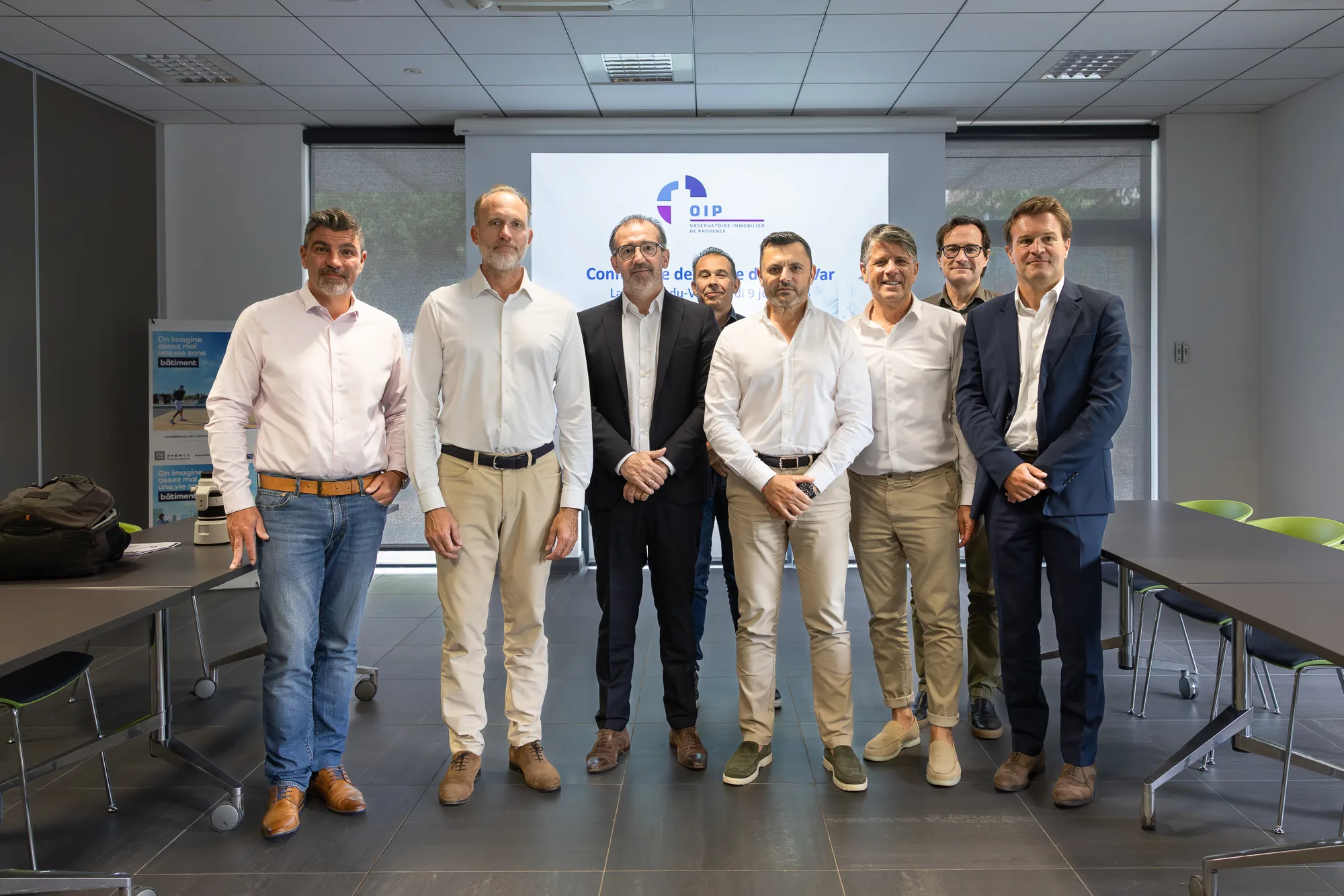
On June 11, the Observatoire Immobilier de Provence (OIP) drew up a contrasted assessment of the sector. While the existing home market is picking up, the crisis in new housing and the BTP is threatening the local economy.
The Var real estate market is navigating troubled waters, according to the latest OIP barometer. While some segments are showing signs of recovery, the situation remains marked by deep fragility, particularly in new construction and building, key sectors for the departmental economy.
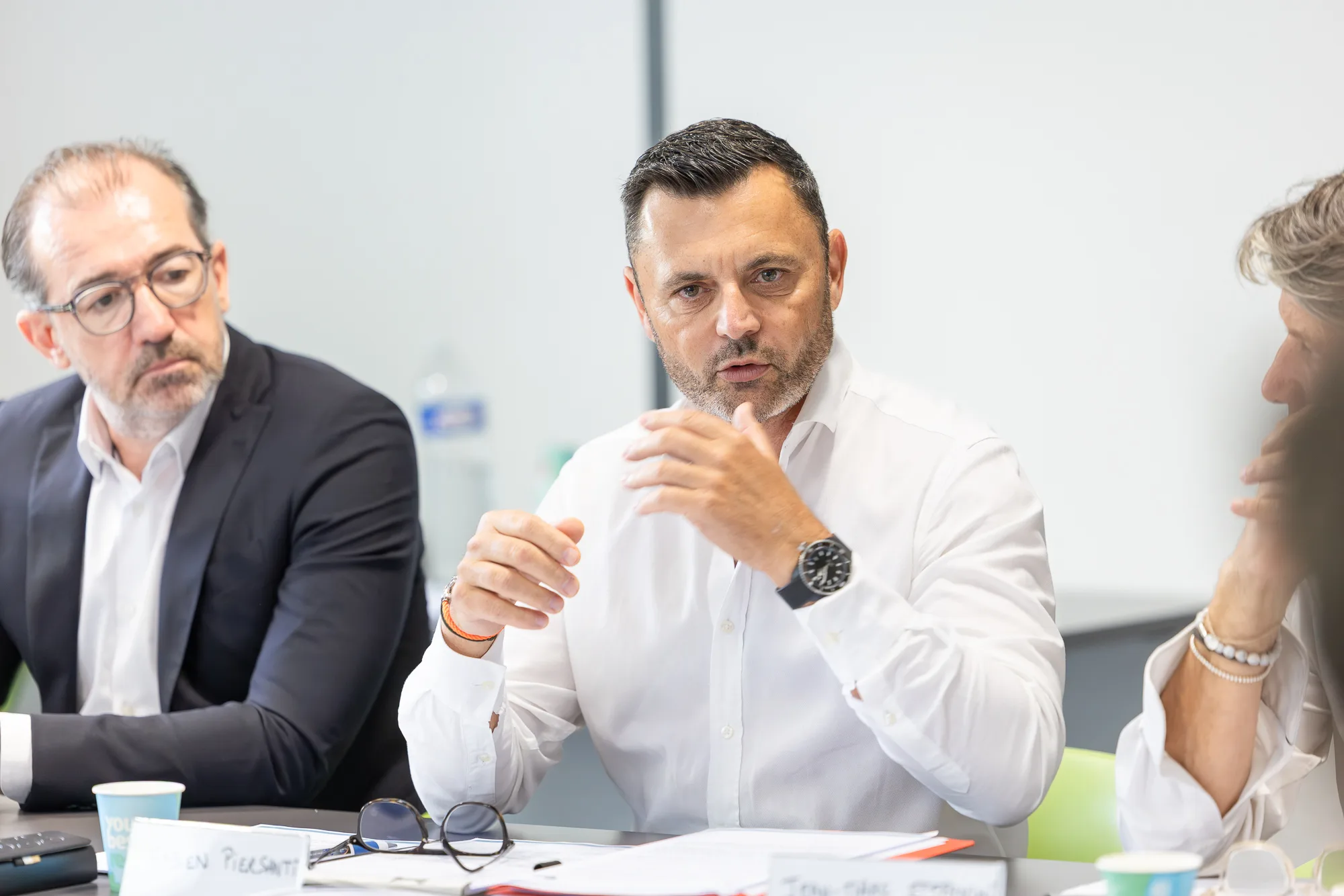
“After years of severe turbulence, the Var real estate market is showing some encouraging signs,” tempered Fabien Piersanti, president of the Var delegation of the OIP and of the Fédération du BTP du Var.
Advertisement
He cited the renewed momentum of social housing, the recovery of transactions in existing homes, and the end of the crisis for single-family homes. But this “relative improvement remains fragile,” he warned, pointing to international tensions, the impact on material costs, and interest rates.
BLACK SPOT
The main source of concern remains the production of new housing, described as a “major black spot.” The figures presented by the Fédération des Promoteurs Immobiliers (FPI) de Provence are alarming.
With only 756 units put up for sale in the first half of the year, the level remains “extremely worrying,” which is 40% less than in 2023. Bookings are struggling to keep up, with 70% consisting of the Var Ouest sector, while retail sales are down by 12%.
The consequence of this supply crisis is that prices remain very high. The average price in Var stands at €5,500 per square meter, a figure down slightly by 3% compared to 2024 but which in fact excludes many buyers.
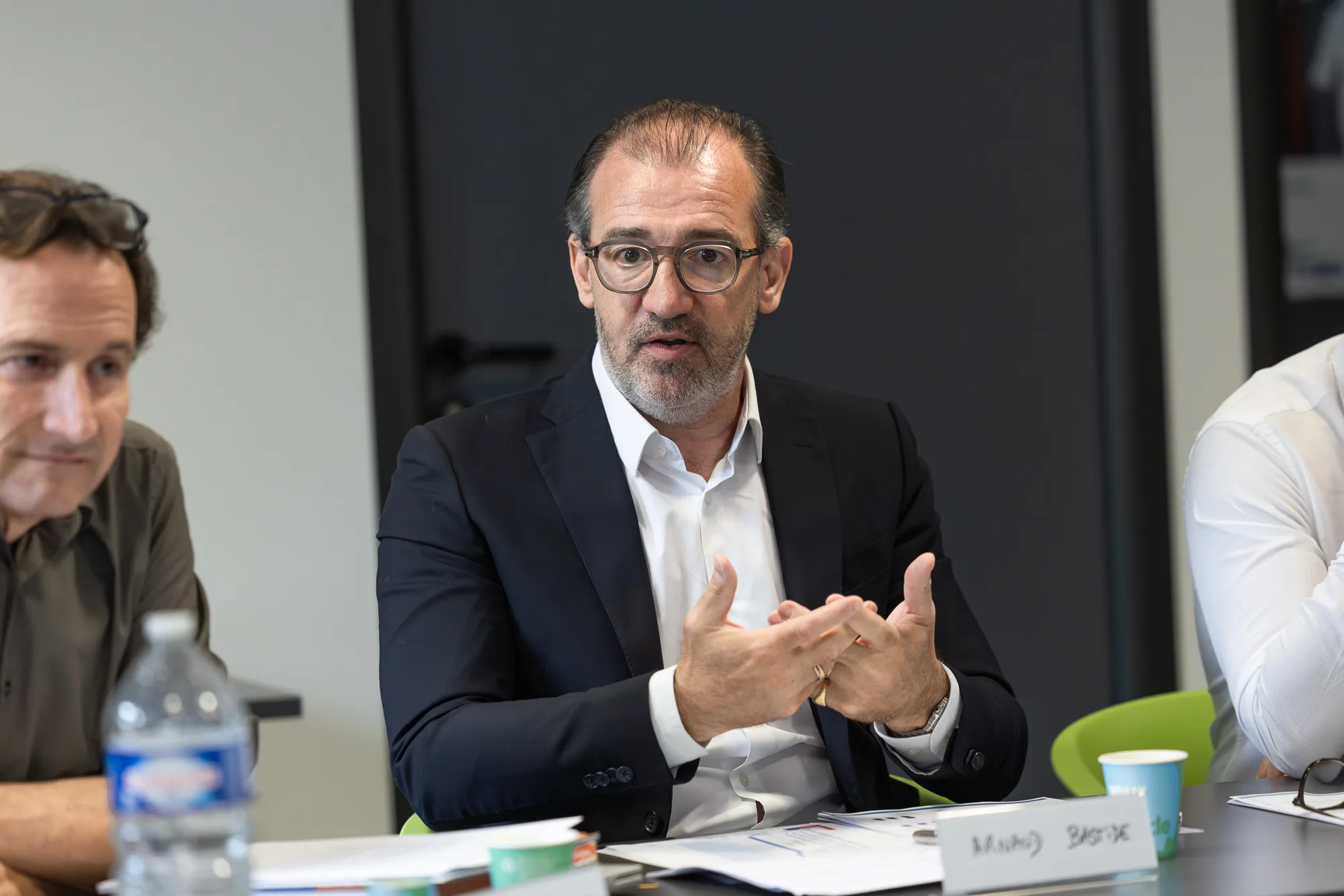
“What remains rare remains expensive,” summarized Arnaud Bastide, president of the FPI Provence.
For Olivier Mathieu, president of the Syndicat des Architectes du Var, the sector is caught in a “deadly triptych”: rising construction costs (+30% in five years), scarcity and high cost of land, and rising bank rates. He called for a “change of method” and a reform of land-use planning policy.
BTP SUFFERING
Conversely, the existing home market confirms its recovery. According to the FNAIM du Var, 958,000 sales were recorded in France over one year at the end of February 2026 (+11.4%).
Var is following this trend with 23,283 transactions over the same period, representing an increase of 10.2%. Prices are stabilizing, with a moderate rise of 1.5% for apartments and 1% for houses.
Advertisement
The single-family home segment is experiencing a significant rebound. The Pôle Habitat FFB Paca et Corse notes a 28.8% increase in sales in the region.
This partial improvement must not mask the deep crisis hitting the building and public works sector. The Fédération has sounded the alarm: emptying order books, rising business failures (330 in 2025), and accelerating job losses.
Var lost 850 salaried jobs in the sector in one year. Temporary work, a barometer of activity, plummeted by 14%.
The cause is a surge in material prices that is suffocating businesses: PVC (+30%), bitumen (+30% in two months), paint (+10 to +25%), iron and steel (+10 to +15%). The decline in public procurement, in this municipal election year, worsens the situation.
Faced with this complex picture, professionals refuse fatalism and call for a mobilization of all stakeholders. They have formulated 21 proposals to speed up building permits, facilitate housing production, and support working people and first-time buyers.
“Housing must not be seen as a problem but as a response to the economic and social challenges of Var. For the OIP, an enhanced dialogue between local elected officials and industry professionals is essential to deploy appropriate solutions and prepare the future of the territory. Building is now a necessity to house Var residents and support employment,” insisted Fabien Piersanti.
Photos Philippe OLIVIER.