François de Canson: "The Hyères pelicandrome has proven its effectiveness"
François de Canson assessed the "Guerre du Feu" plan and praised the effectiveness of the new Hyères pelicandrome.
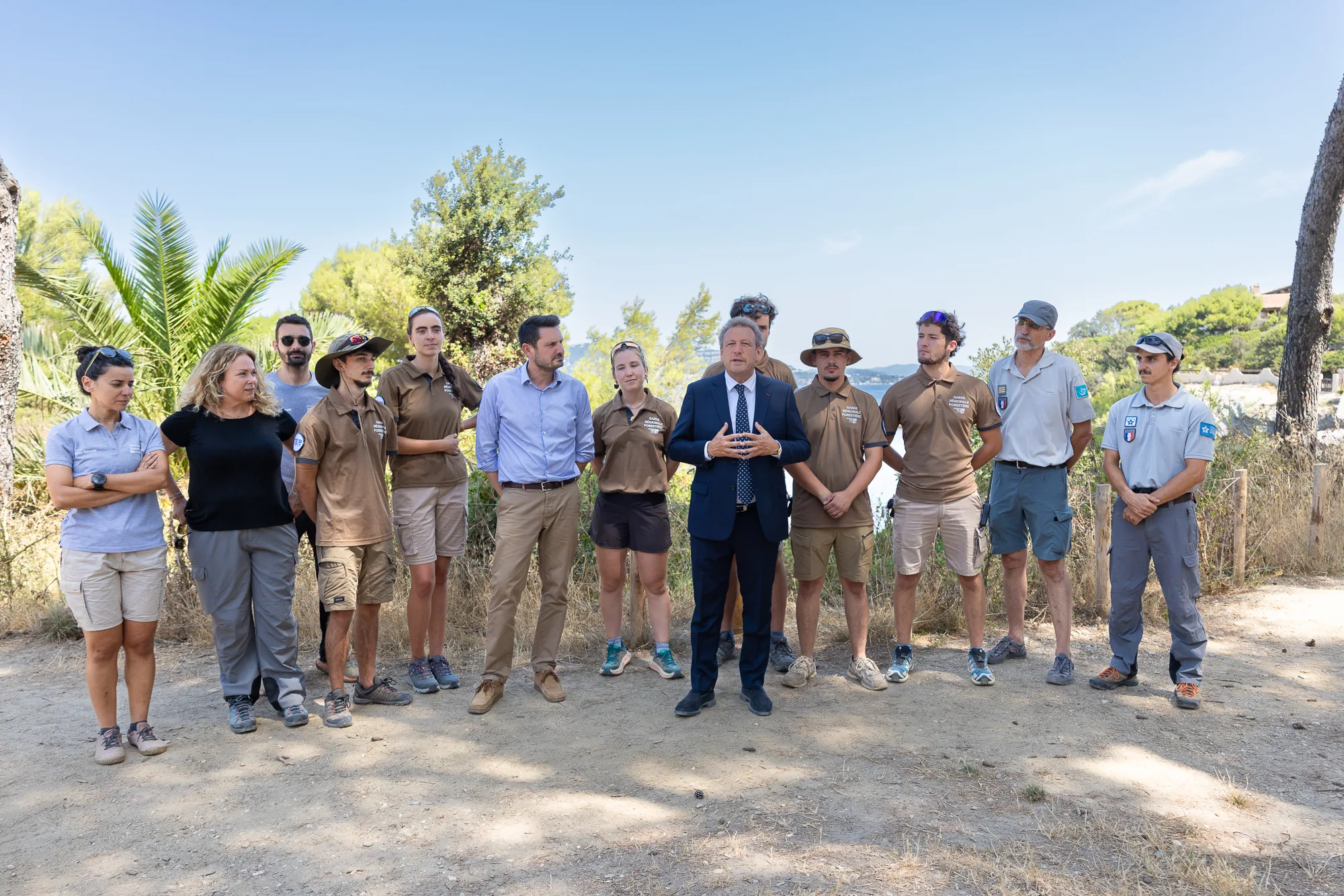
On July 20, François de Canson, vice-president of the Région in charge of economic development, attractiveness, tourism and major risk prevention, took part in an immersion at the heart of the Garde Régionale Forestière in Hyères, in the presence of Grégory Audibert, vice-president of the Métropole Toulon Provence Méditerranée and 1st deputy mayor of Hyères.
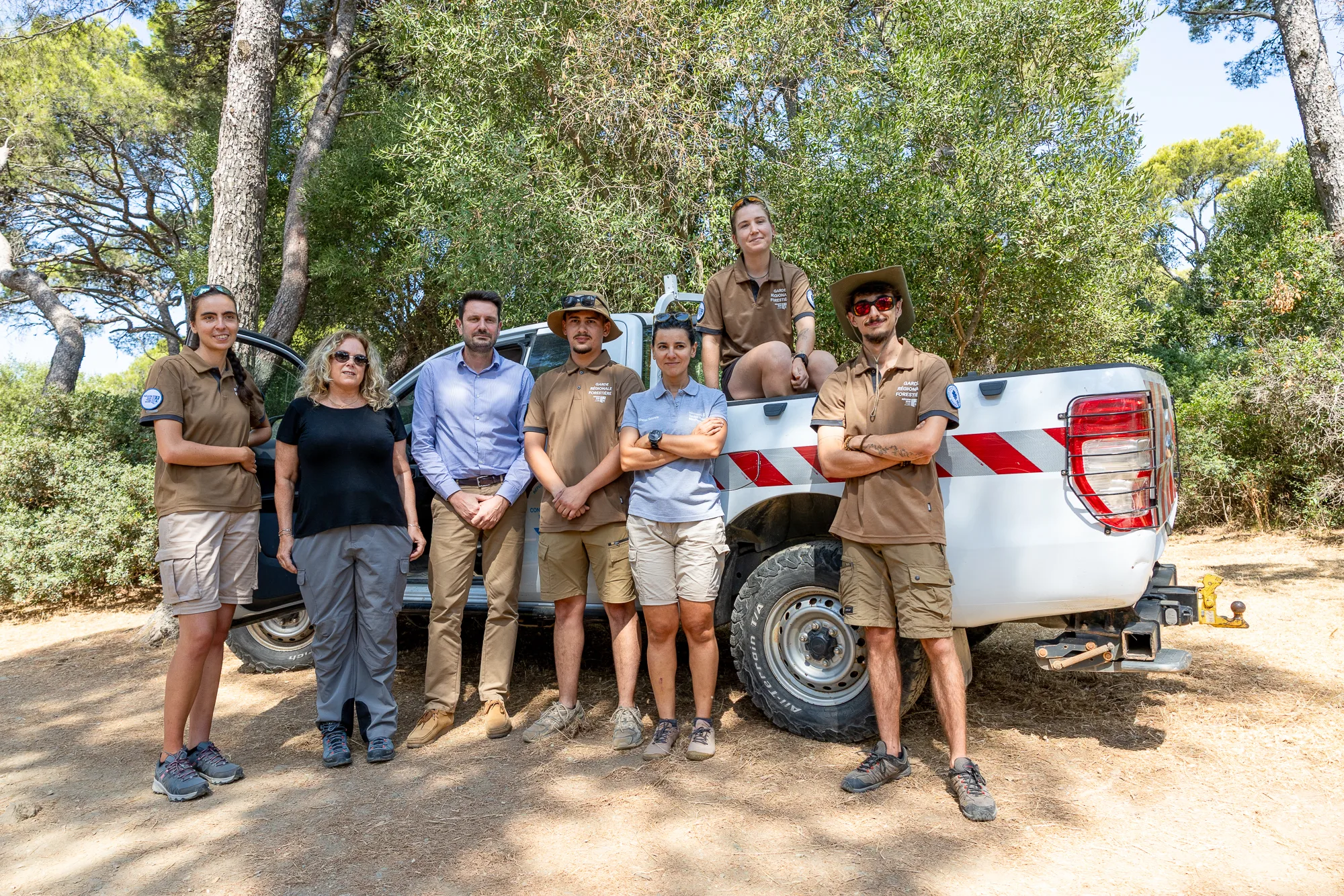
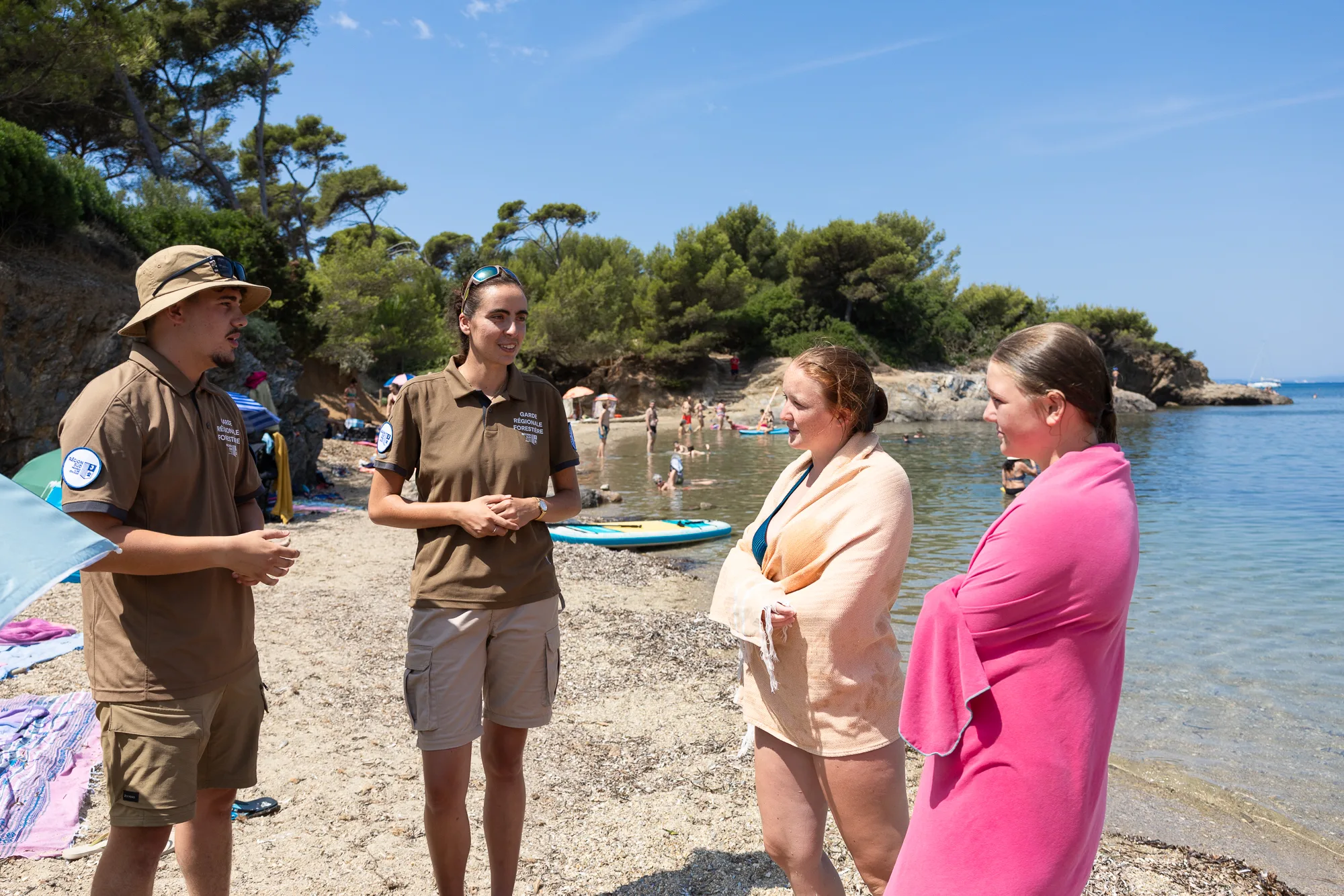
On this occasion, the vice-president of the Région accompanied a patrol of Gardes Régionaux Forestiers on the ground, close to their missions of monitoring forest massifs and raising public awareness about forest fire risks.
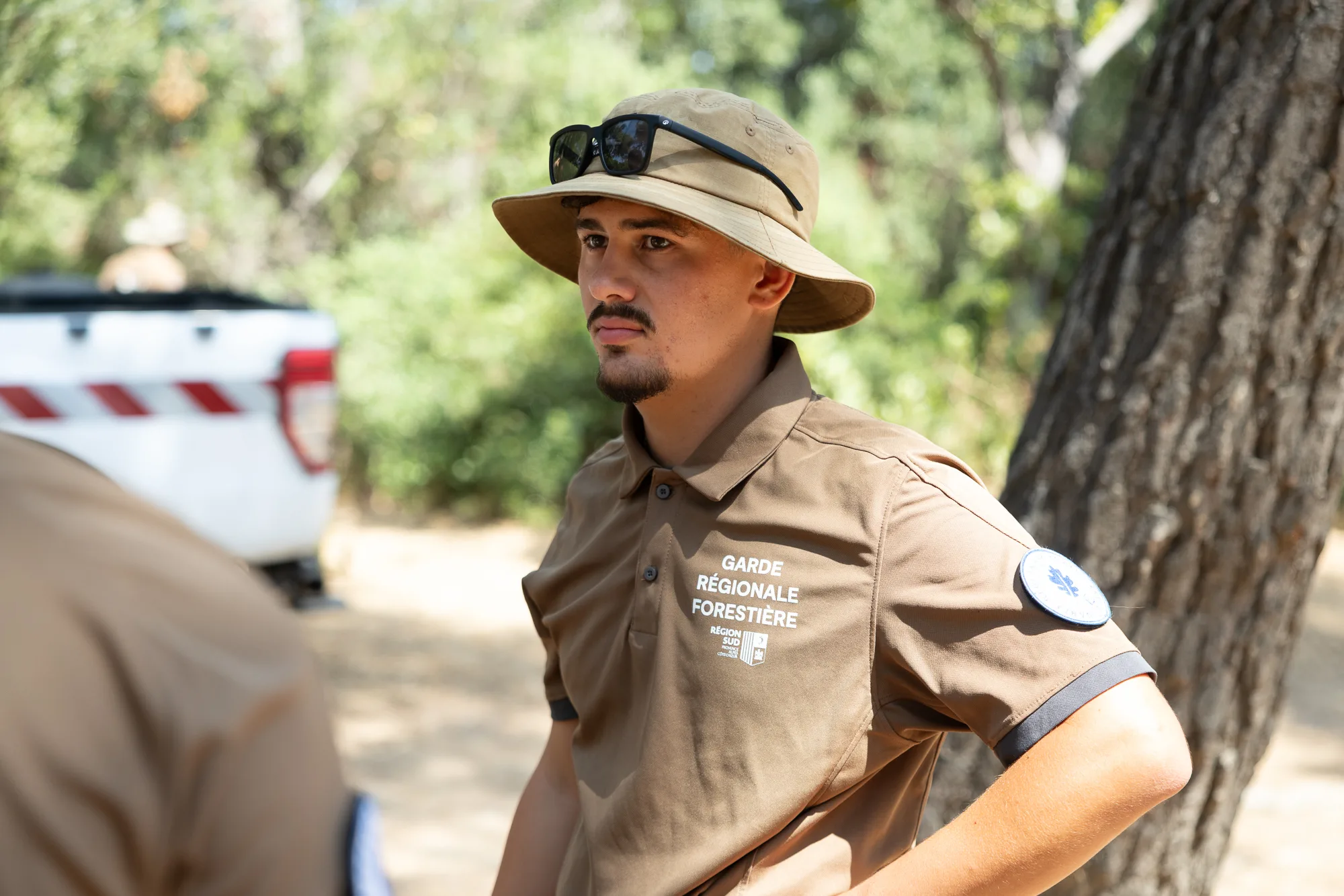
Created in 2018 as part of the regional "Guerre du Feu" strategy, the Garde Régionale Forestière mobilizes young people aged 18 to 26 every summer, committed to protecting natural areas.
Human mobilization on the front line
During this field visit, François de Canson reaffirmed the regional commitment to the prevention of and fight against forest fires, a strategic and economic priority for the territory, and drew up the balance sheet of the "Guerre du Feu" plan, launched in 2018.
Advertisement
With nearly 40 million € invested since its creation, this strategy has divided the number of burned hectares by five, dropping from 8,474 hectares in 2017 to 1,426 in 2025.
"We held firm. These results are the fruit of a collective commitment and a clear regional strategy: prevent first; fight next; and finally, rebuild. The preventive aspect is the cornerstone of the system. It relies in particular on the Garde Régionale Forestière, which mobilizes 250 young people aged 18 to 26 every summer. Deployed in 23 sensitive territories, from the Calanques to the Mercantour, their mission is to inform, raise awareness and alert. Their presence on the ground is an essential link in the surveillance," explained François de Canson.
This system is complemented by support for the 9,000 volunteers of the Comités Communaux Feux de Forêts (CCFF), for whom the Région has funded 122 vehicles and equipment for nearly 4 million € since 2018. The local authority also assists municipalities in implementing the Obligation Légale de Débroussaillement (OLD).
The pelicandrome, a strategic tool
"The Région is investing heavily to strengthen the intervention capabilities of firefighters. The "Nos Soldats du Feu" fund, created in 2022 and endowed with 5 million € over five years, makes it possible to modernize the heavy equipment of the Services Départementaux d'Incendie et de Secours (SDIS). One of the major investments is the rehabilitation of the Hyères pelicandrome, inaugurated in July 24. This strategic tool, 70% funded by the Région (i.e. 2.67 million €), has multiplied by four the refuelling capacity for water bomber aircraft. It now allows two Dash planes to be loaded simultaneously in less than ten minutes. The pelicandrome has proven its effectiveness," welcomed François de Canson.
Indeed, the relevance of this unique facility in France was demonstrated on July 19 during the fire in La Londe-les-Maures. In less than 30 minutes, the fire was stopped thanks to the help of two water bomber helicopters, two Canadair, and several dozen firefighters mobilized in record time!
Furthermore, looking to the future, the Région supports the Hynaero project, which aims to develop a new amphibious aircraft to succeed the Canadair by 2030.
"This sovereignty program, jointly supported by the State and the Région Sud with 7 million € each within the framework of France 2030, will provide a decisive response to civil security needs [...]. We confirm our anchorage in the Sud and the creation of an innovative, job-creating sector," specified, for his part, David Pincet, founder of Hynaero.
The resilience of forest ecosystems
The third axis of the regional strategy is the reconstruction of affected massifs. Through the RESPIR fund, the Région has already supported 40 post-fire projects.
Advertisement
The intervention, carried out with the expertise of the Office National des Forêts (ONF) and Fibois, is structured in three stages: securing damaged areas, fighting soil erosion, and finally, rehabilitating the land. Priority is given to natural regeneration, supplemented by targeted planting.
"Concrete actions have already been carried out, such as in Carros (4,300 trees planted), Sisteron (2,400 plants) or in Pennes-Mirabeau, where the planting of approximately 15,000 trees is planned. These operations aim to restore biodiversity and strengthen the resilience of forests in the face of climate change," concluded François de Canson.
Photos Philippe OLIVIER.