“Being French is a commitment of every dawn, a plebiscite of every day!”
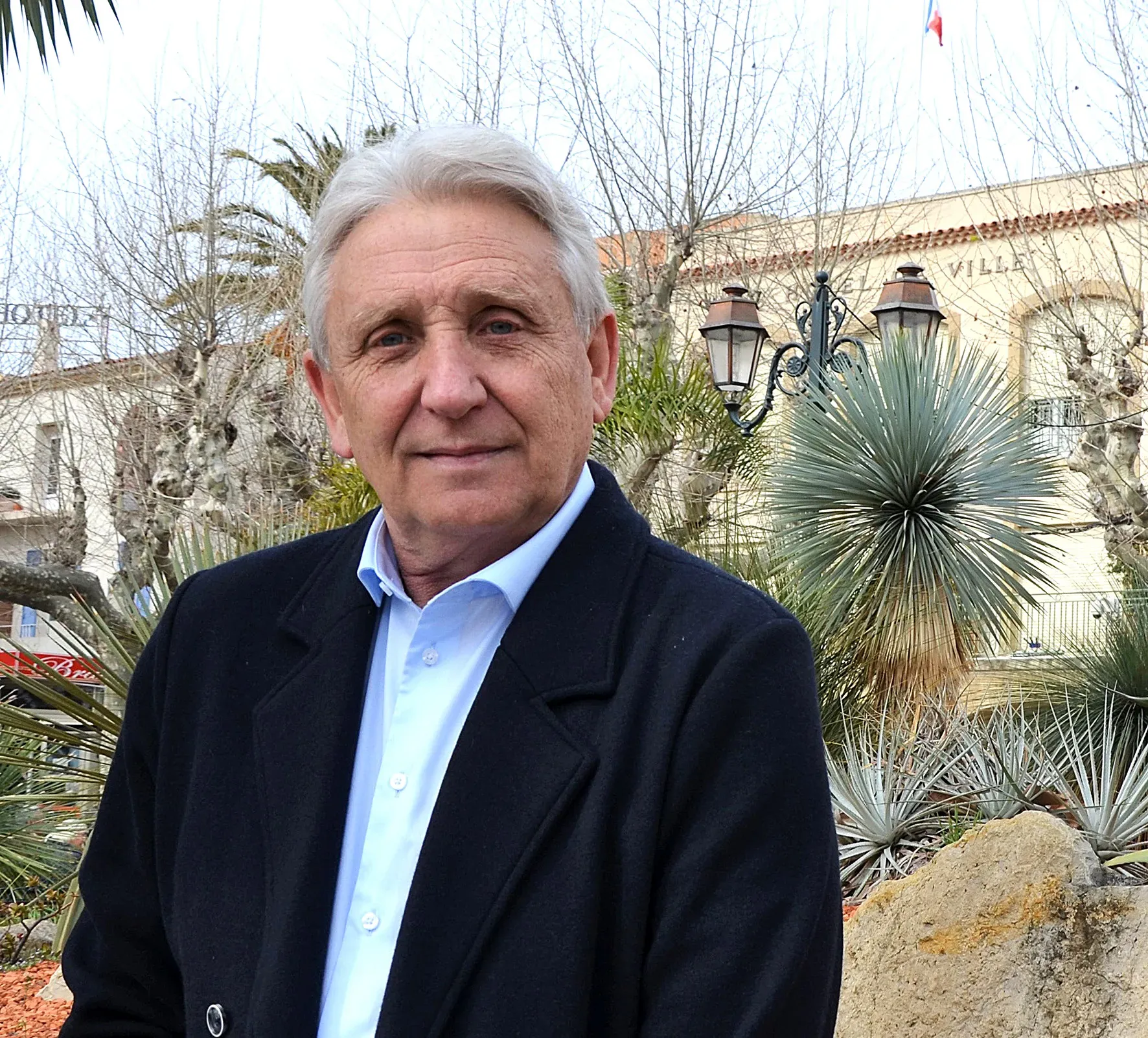
Gil Bernardi, the mayor of Le Lavandou, looks back on the revolutionary period that preceded the creation of the 1st Republic.
The prosecutor red with the blood of 1376 people condemned in a month and a half and of 2627 heads rolling into the wicker basket, place de la Révolution. Until the fatal act of the execution of Louis XVI on January 21, 1793, and then of Marie-Antoinette, guillotined on October 16. Symbols are needed for the Revolution to live. But was it really necessary, if not to avoid any compromise, any turning back, to massacre the tyrant who was not really one...? And, in this Assemblée nationale tearing itself apart before sending each other - in turn - to the executioner, losing itself in the ruin of factions - for the Comité de Salut Public had to resolve to put a brake on the outbursts of the most violent by itself practicing this headlong rush into violence.
COMMUNE DE PARIS

Thus began, in the autumn of 1793, the divorce between political power and the revolutionary movement... Between the people of the street, the sans-culottes, and the representatives of the people of the Provinces de France - where violence was spreading. The enragés, of whom Jacques Roux was the first to be cast aside, then Robespierre who rose up against the excesses of dechristianization: 'War declared on the Divinity is but a diversion in favor of Royalty' (...). The Revolution devours all its children, such is its own logic, and the fire feeds the blaze. Popular democracy is broken in its momentum. The armée de l'intérieur is dissolved, like the Sociétés Populaires. The commune de Paris is taken back in hand by the Comité de salut public. Drifts, purges, vertigo, yesterday's allies have become implacable adversaries, mortal enemies. The Committee, taking advantage of this to carry out a new purge in its turn. Danton, Camille Desmoulins, Fabre d’Églantine are arrested, in turn denouncers, suspects, adventurers. Barère and Saint-Just do the dirty work instead of Robespierre - 'We are being sacrificed to the ambition of a few cowardly bandits,' Danton would cry, 'but they will not enjoy the fruit of their criminal victory for long, I am dragging Robespierre down, Robespierre follows me'! Thus end ungovernable Assemblées nationales, the histoire de France tells us. In the chaos and misery of the people. And the Age of Enlightenment sinks into darkness. It is a bloodbath, into which the ultras sink with delight. The very ones who, only yesterday, were steeped in humanism (...). The elected representatives who mistrust the citizens, the sans-culottes who defy their representatives, the people have also become suspect. Suspect of wanting to reclaim the power they delegated to their representatives. Alternately changing, bloody, romantic, humanist, an ogress to its champions, the Révolution française was grandiose in the progress engendered by its chaos; with this terrible destiny of a heritage carried by its warrior child, Bonaparte, who became Emperor of the French and Napoléon who self-invested with the crown picked up from the ground under the blessing of Rome, the better to imprint the reforms inherited from the Révolution française...
PROGRESSIVE IDEAS
In just 25 years, the spirit of the Revolution profoundly changed France and even altered the face of monarchist Europe through the progressive ideas that followed the cannons of the Armées de la République - faced with the insurrections of the Ouest, the chouanneries de Vendée, but above all the coalition of 1793. But it is Bonapartisme, which stretched from the end of the Directoire, with the coup d'état of 18 brumaire de l'an VIII, to the abdication of 1815, that crystallized the foundations of the modern State. The reorganization of the State and the Nation was done in haste and pain in its most urgent aspects set by the constituents. A still-warm gangue, which had to be frozen into a state divided into 83 départements. The very ones that suffered the failure of the constitutional monarchy of 1791, before declaring the country in danger on July 11, setting up revolutionary tribunals, and proclaiming on September 21, 1792, the fall of the royalty and the establishment of the République: judicial, financial, and military reorganization (...). But it is indeed the fundamental organization of the State and National Sovereignty, the separation of Orders and powers, which were carried by the Consulat and the constitution of the An VIII - with four assemblies: the Conseil d’État, the judiciary, the legislative body, and the Sénat, the backbones of the modern French State.
Work of the Convention, educational and intellectual of October 25, 1795, completed by the enlightened despotism of Napoléon a few years later. Ah, the Armées, those of Valmy and Jemmapes, guardians and guarantors of the country's cohesion, those marching today on the Champs-Élysées and inspiring the président de la République: 'Being French is a commitment of every dawn, a plebiscite of every day'! This Armée, foundation of the Nation and expression of its unity (...). • republican promises,
Gil BERNARDI, mayor of Le Lavandou. Photo Francine MARIE.