Max Bauer: 'What is the common thread between the peony, cork and Villa Noailles'?
During the weekend of April 26 and 27, Villa Noailles celebrated the peony and cork.
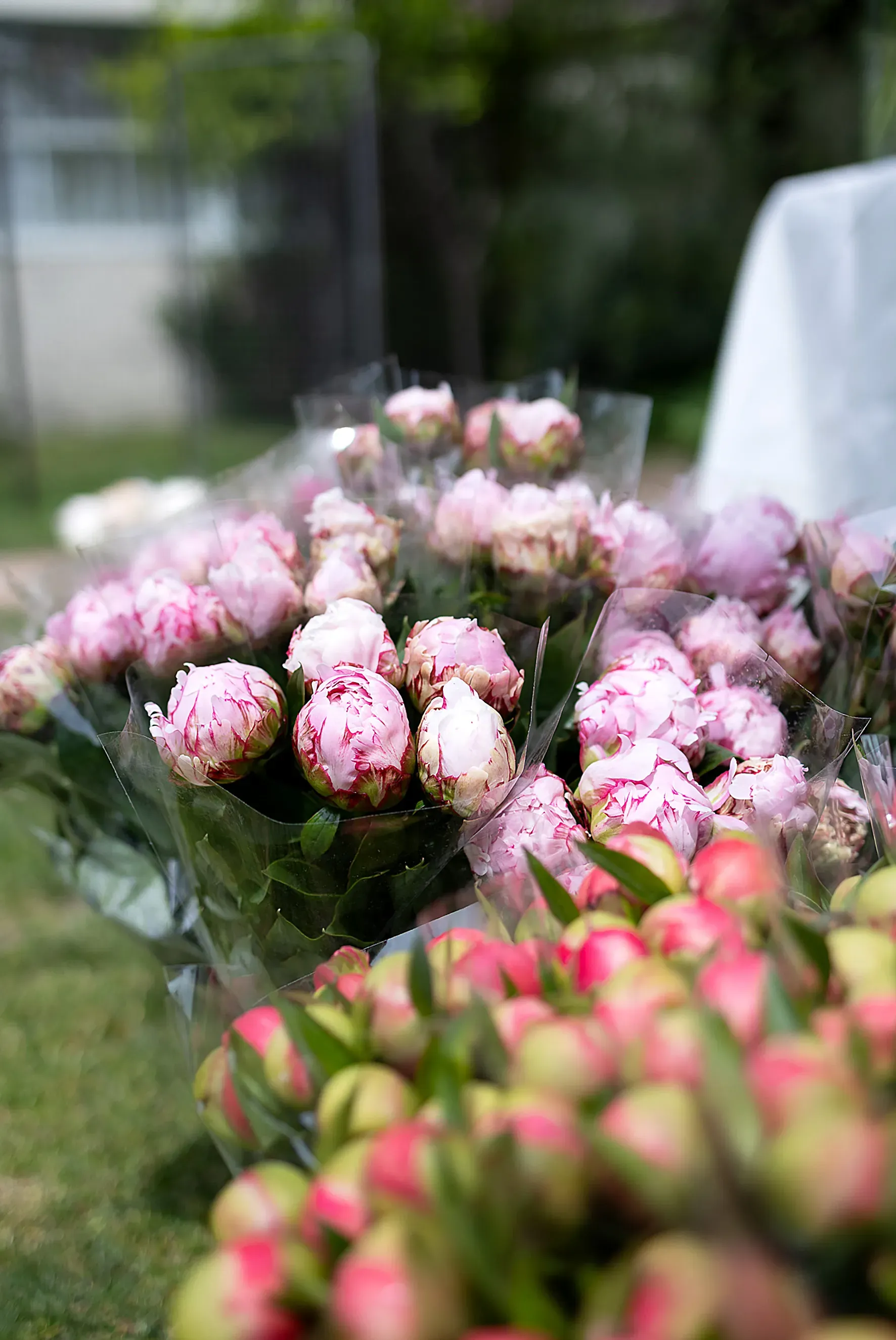
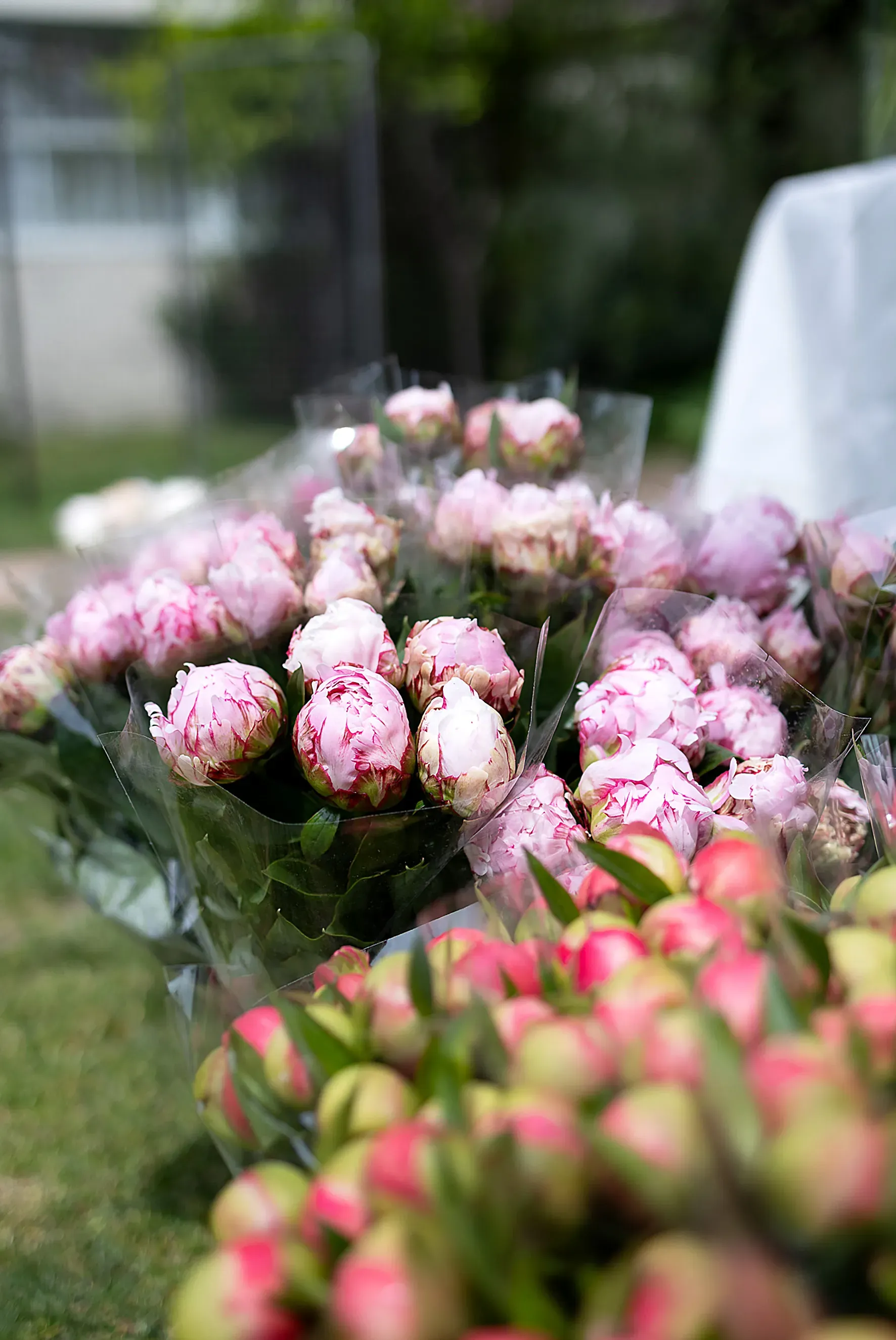
In this iconic venue for contemporary art enthusiasts, visitors were able to stroll through the gardens, which offer an idyllic setting for a day with family or friends. They turned out in large numbers to enjoy the Fête de la Pivoine, an essential floral celebration and an opportunity to discover or rediscover this magnificent and symbolic spring flower. At the same time, the Villa paid tribute to that noble material, cork, which has been used in art and craftsmanship for centuries for its unique properties.
THE PEONY, A CENTURY-OLD FLOWER
However, this double celebration in a highly cultural venue with an international reputation
THE URBAN LEGEND
OF VILLA NOAILLES
According to François Carrassan, deputy mayor of Hyères in charge of culture, the official version of the history of Villa Noailles, told like an urban legend for nearly 50 years, is not necessarily the historical truth if we refer to a recent note of his entitled: 'Truth and lucidity for a work that never existed'. He explains: 'I finished my book (1) by summarizing the strange trajectory of this very ephemeral place: a private house, abandoned to ruin and sold to the City of Hyères with all its splendor lost, then restored with public money alone, and now reused by an association, without right or title, which delights in celebrating the owners who abandoned it. A strange use of public money, I wrote, in the service of an idolatrous cult' (...).
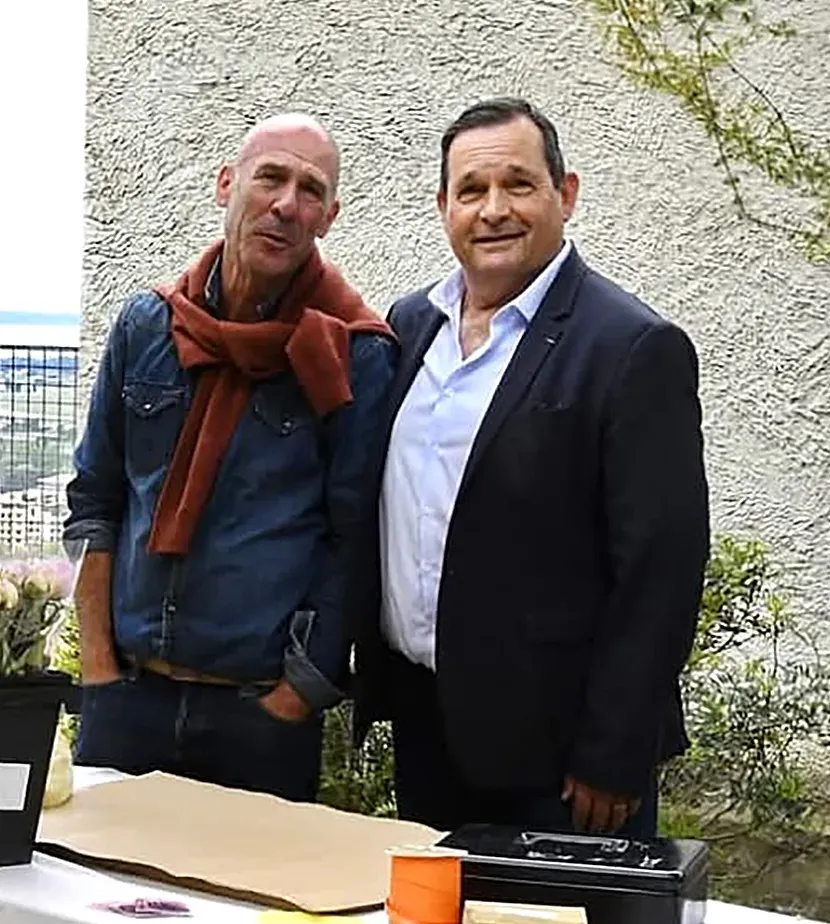
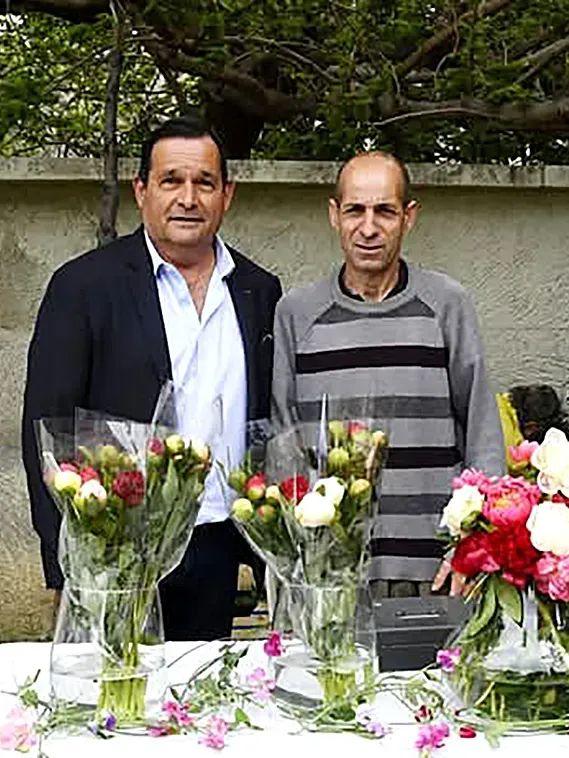
Max Bauer, president of the Coordination Rurale of Var and PACA, asks: What could be the common thread between Villa Noailles, the peony, and cork? In fact, it is the number 100. The president of the CR of Var explains: '100 years ago, Viscount Charles de Noailles commissioned the young architect Robert Mallet - Stevens to draw up the plans for an interesting house to live in.'
Advertisement
As a true historical expert, he adds: 'It is true that the peony can live for more than 100 years! Imported from China, it appeared in Europe at the end of the 18th century. In the West, it represents modesty and shyness. In China, it can symbolize wealth, luck, and prosperity. In short, it is a mythical flower! Moreover, it is found in the ancient myths of Greek gods because we learn that it was the nymph Paeonia who supposedly gave her name to the peony. She had a love affair with Apollon. Caught in the act by Aphrodite, the nymph blushed with shame and shyness before being transformed into a peony by the angry goddess. Hence the popular expression red as a peony.'
On a more prosaic level, 30 years ago, the peony was not cultivated in Var. It has recently returned, and there are now 200 hectares of production and 12 millions stems produced every year.
Regarding cork production, the agricultural unionist continues: '100 years ago, 10,000 tons of cork were harvested per year. At that time, the region had 150 companies and more than 2,000 employees. Today, only two production companies remain in Var'!
Yet, Max Bauer is convinced: 'We have a duty to transmit to future generations, in a non-ideological and respectful movement, the promotion of the culture linked to our evolution in a perspective of progress. The same goes for our agriculture, if we still want to believe in development in our territory. These stakes go beyond the determined unionist I have been for 20 years.'
VAR, THE LEADING CORK-PRODUCING REGION IN FRANCE
Thus, in ancient Greece, cork was mainly used to stop amphorae or make fishing tackle. Since then, the use of this unique material has spread widely. World cork production reaches around 300,000 tons per year, of which 52% comes from Portugal. France produces nearly 4,000 tons of cork each year. Var is the leading producing region in France. In the 19th century, cork supported more than two thousand cork makers in more than 150 holdings in the villages of Maures and Estérel. More than 3,000 plants were planted in the massif des Maures to regenerate this endangered deciduous tree population and develop cork production in the department.
Photos Philippe OLIVIER and Jean-Claude CHAPPUT. (1) Published by Les cahiers de l'égaré, 2nd edition 2025.