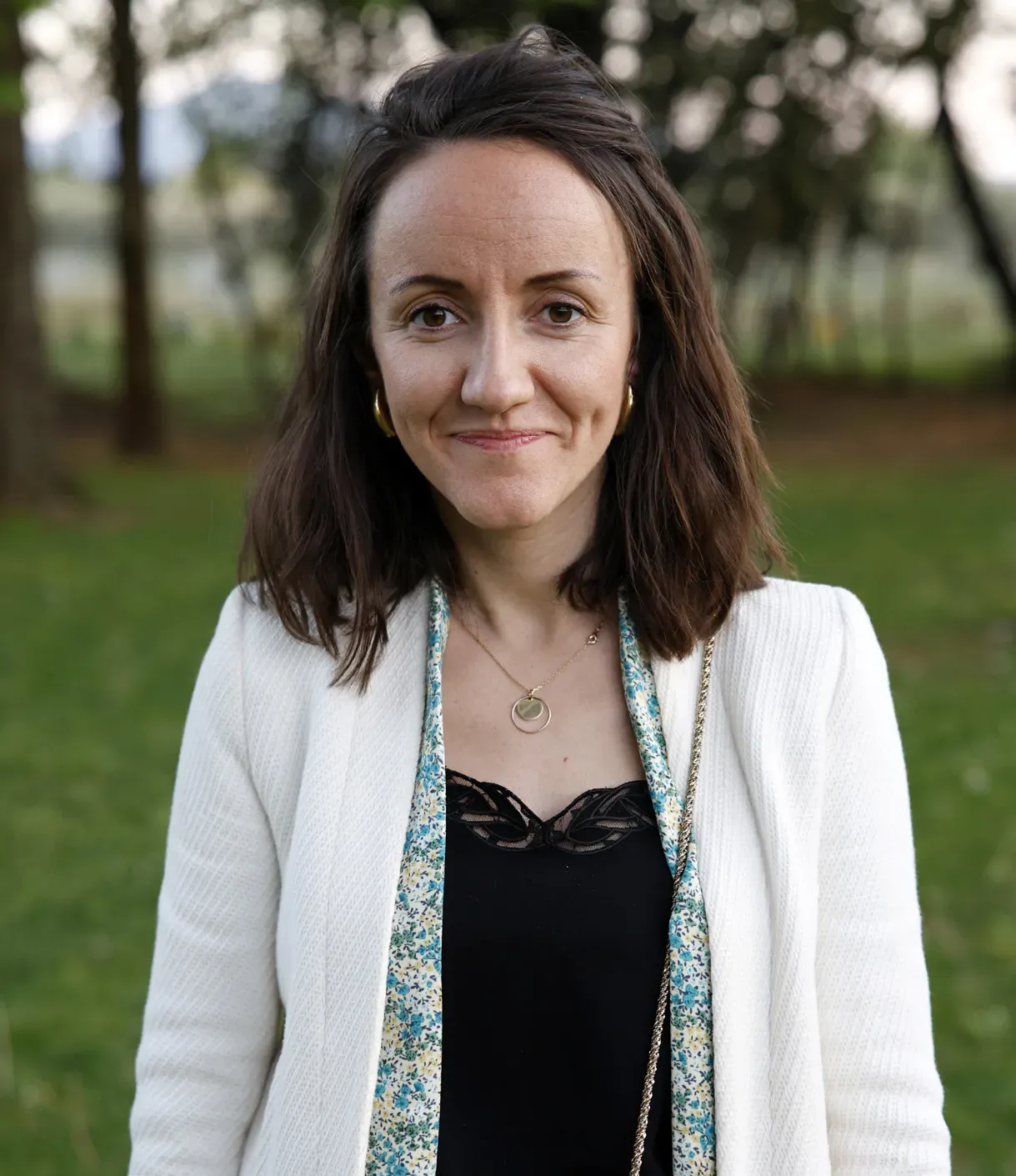
Mathilde FROMENT: "We build people as much as the structure" She answers...
Mathilde Froment is deputy operations director at VINCI Autoroutes.
For several years, you managed a major motorway construction project in a dense urban area. What were the first steps you took to structure the operations?


As soon as I arrived, I understood that this project could not be managed solely through a technical lens. Even before setting up a schedule, we had to understand the territory, its rhythms, and its expectations. In Toulon, maintaining traffic flow was a decisive challenge. We brought in a project management assistant specializing in traffic very early on, to anticipate flows and adapt our organization to real-world conditions.
What was your role then, as deputy operations director?
Advertisement
It consisted in bridging the gap between the three pillars of the project: the client role that we embodied, the project management, and the consortium of companies in charge of the works. This involved a lot of coordination, but also technical, organizational, and human trade-offs. My role was to support the teams, but also to ensure that everything progressed consistently with the expectations of the State, which remained our granting authority.
On a project of this scale, how did you manage the pressure and the unexpected?
The pressure was constant. More than 110,000 vehicles a day, potential impacts on the entire Toulon metropolis, strong attention from elected officials... But the fundamental ingredient is the team. When everyone is in their place and trust flows, you can take a step back even in the most complex situations. And we also have to rely on local authorities, the prefecture, and shopkeepers. They are the ones who helped us avoid scheduling errors and adjust our plans to local realities. Territorial dialogue was a valuable lever.
Let's talk about your managerial approach. You took on a leadership role for the first time. What did you learn?
I am demanding, especially with myself, but I have always made a point of creating a human environment where everyone can speak freely. From the start, I told the team that I was discovering this management role, and that I was open to their feedback. I wanted to maintain a dynamic of direct exchanges. A colleague once told me: "You know how to set a firm framework when necessary, but in the evening you also know how to come have a drink with us." I thought that was fair. For me, that is the right balance between authority and kindness.
Did this close relationship help you get through the critical phases of the project?
Yes. We had real cohesion, even in times of tension. Everyone knew they could count on others. There were heated meetings, of course, and moments of misunderstanding. But always with the common goal in mind. And I never started a day with a knot in my stomach. This project, despite its complexity, was never humanly heavy. It was even deeply enriching.
What about the more personal impact of these years?
Advertisement
This project was a real turning point for me. It absorbed a lot of time, sometimes on my weekends and evenings. I don't have children, which allowed me to be highly available. But I also know that I was able to keep going thanks to the support of my loved ones. They helped me disconnect when necessary. I also found an unexpected balance in the Var region. Nature, cycling, hiking: it allowed me to breathe. This combination of strong commitment and personal breathing space was precious.
You are mobile in your profession. How do you cope with this geographic instability?
It is very enriching, but also very uprooting. You arrive in a town, you build connections, you anchor yourself. And then you have to leave. It's a life choice that you embrace when you are young, but which becomes more delicate over time. In Toulon, I felt in my place. Leaving has a taste of happy nostalgia. Because beyond the structure, it's a chapter of life closing.
And if you had to sum up in one word what this project taught you the most?
Balance. The one found between rigor and flexibility, between demanding standards and listening. This project confirmed to me that we can carry out a major project without losing sight of people. And that sometimes, it is the connections we build that hold the structure up as securely as concrete. •
Interview conducted by Pierre BEGLIOMINI Photos VINCI Autoroutes.