“Strengthening daily fire safety beyond traditional annual inspections”
In Hyères, a young shopkeeper, facing the limits of traditional checks, shares an insightful account of fire safety vulnerabilities.
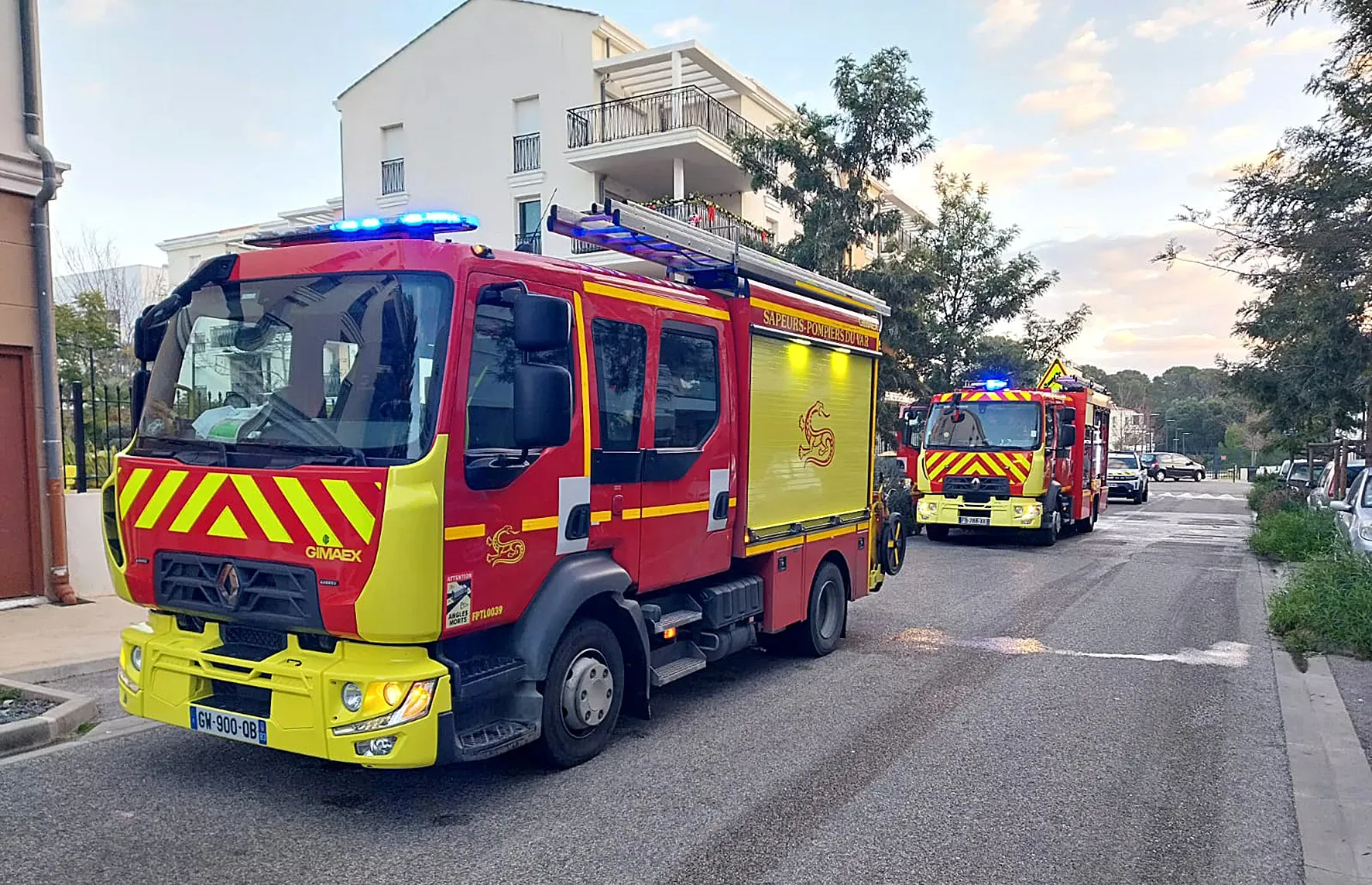
Sylvain Gruelles, project management expert, warns of fire safety failures affecting 90% of small businesses that open without prior inspection in France. This little-known reality affects the vast majority of local shops. Restaurants, bakeries, hair salons, or professional practices—every day, thousands of establishments open to the public without having undergone a security check before opening. This finding of sometimes deficient safety, despite the good intentions of operators, is supported by actors in the field. In Hyères, a young shopkeeper, facing the limits of traditional inspections, shares an insightful account of the difficulties encountered and the alternative solutions considered: “For several years, as a shopkeeper, I have systematically used inspection bodies like Bureau Veritas to verify the compliance of my establishment. Each year, these inspections are carried out, and so far no observation has ever been made to me regarding the absence of a BAES block (Emergency Lighting Power Supply Unit) or a red fire alarm box. Yet, these elements are essential parts of the fire safety system. As professionals, we pay for very expensive inspection bodies and certifications, often with service providers who have their own expertise, but unfortunately, this does not always guarantee perfect vigilance on all regulatory points.” The young woman adds: “We also have our fire extinguishers checked regularly — a significant expense — and despite this, it happens that some companies, despite their professionalism, are not always very efficient or thorough in their checks. This leaves a feeling of frustration because we seek to meet standards and ensure the safety of our staff and customers, while respecting regulatory obligations.” After informing herself through her own means, she found that additional and innovative fire safety solutions exist, which do not replace legal obligations: “It is an effective extra layer of protection. For example, modern devices like Block’Fire® extinguishing balls — extinguishers in the form of a compact and lightweight sphere — can offer active and passive protection against outbreaks of fire. They are designed to activate automatically in contact with a flame or can be used manually by throwing them at an emerging fire, covering an area of about 8 to 10 m2 depending on the model. They are lightweight (about 1.3 kg), easy to install without regular maintenance, and are guaranteed for several years. These innovations show that there are ways to strengthen fire safety daily, beyond traditional annual inspections. As a shopkeeper committed to prevention, I believe it is essential for professionals to stay informed and invest wisely in solutions that can truly make a difference in an emergency.”
MAJOR FAILURES

This is also the alarming observation made by Sylvain Gruelles, founder of the company SAS Arcadie – Maîtrise d’Œuvre: “Contrary to popular belief, nearly 90% of Establishments Receiving the Public (ERP) fall under the 5th category: “These structures, unless they include sleeping quarters, are not subject to any systematic visit from the safety commission. Their compliance relies solely on an administrative declaration.” He adds: “This lack of in-situ verification has direct consequences. On the ground, I see establishments open with major safety flaws. I encounter establishments open to the public even though evacuation routes are poorly designed, signage is non-existent, or materials are unsuitable. These are not isolated cases.” The figures support this alert, as nearly 4,800 fires occur every year in France in these small-sized ERPs. “The size of an establishment reduces neither the speed of fire spread nor the risk of panic. Prevention should not depend on an administrative threshold. The Work Authorization – ERP Safety file is often perceived as a simple formality by operators. In the event of a disaster, the absence of a prior visit does not exempt anyone. Responsibility lies primarily with the operator, who is legally responsible for the safety of their customers, but it also extends to project managers and installers. “In most situations, operators do not measure the real risks, due to a lack of information and upstream control,” analyzes Mr. Gruelles. To remedy these deficiencies, he advocates for a reform of practices including better information right from the project design stage and targeted controls during openings. Daily, he assists shopkeepers and self-employed professionals in integrating fire safety not as an administrative constraint, but as a public safety imperative.”

Photos PRESSE AGENCE.