Jean-Pierre Ghiribelli: "In Switzerland, the Crans Montana tragedy revealed structural flaws"
After the tragedy in Crans Montana, Switzerland, Jean-Pierre Ghiribelli, president of the UMIH, believes that...
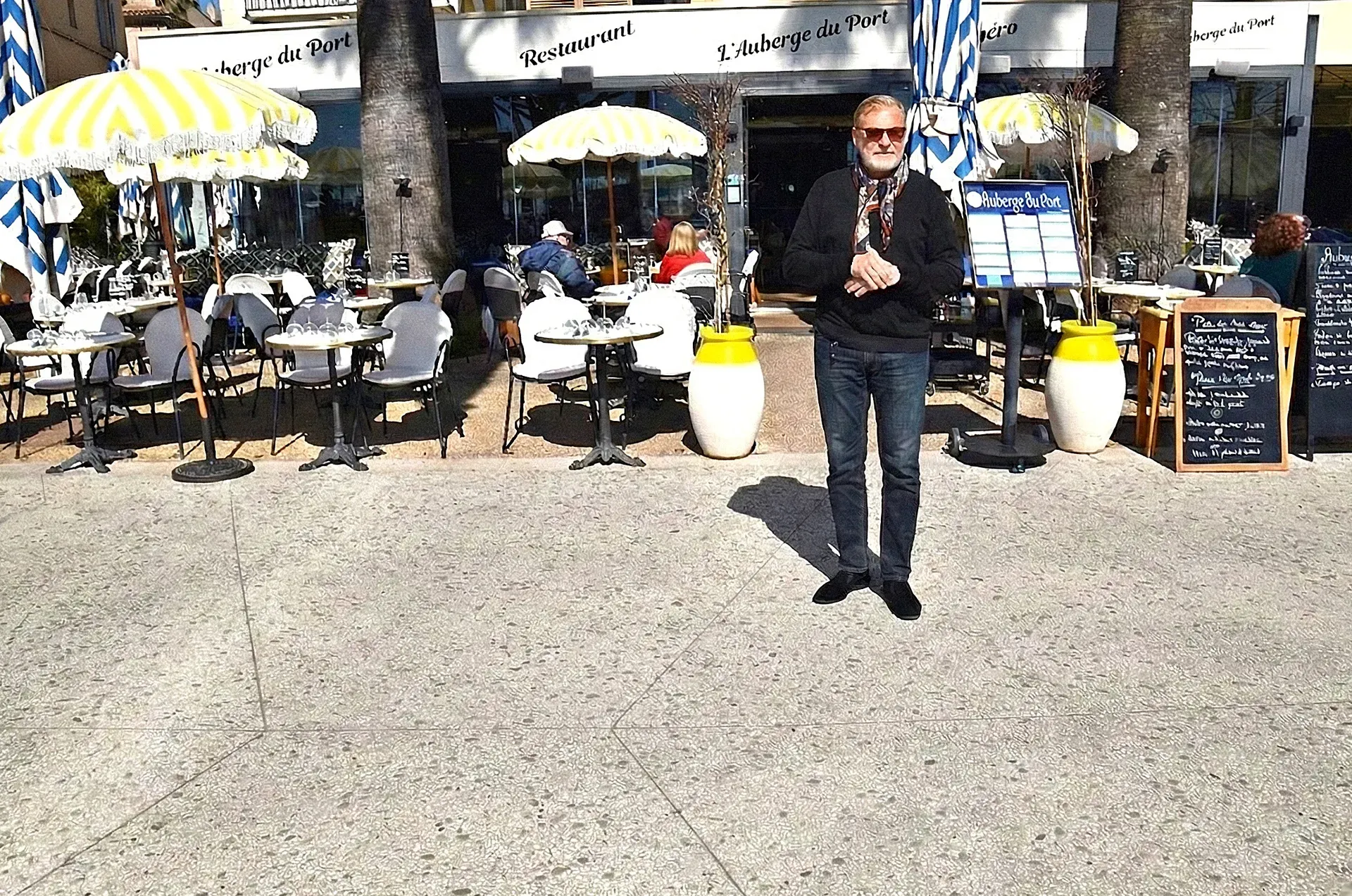
The deadly fire at the "Le Constellation" bar in Crans Montana, Switzerland, which left 41 dead and more than 115 injured, has revived questions about the safety of nightlife venues in France. As Switzerland tries to understand the failures that led to this tragedy, the UMIH of Var, a major player in the CHRD sector, reacts. Its president, Jean-Pierre Ghiribelli, analyzes the economic and regulatory consequences. The president of the UMIH of Var answers questions from La Gazette du Var.
The Crans Montana tragedy has deeply affected public opinion. How did the professionals of Var react? Jean-Pierre GHIRIBELLI.
The reaction goes beyond the local context. Even though I chair the UMIH of Var, I also have national responsibilities. I would like to remind you that the UMIH represents the leading professional organization for independent cafés, hotels, restaurants, and nightlife venues in France, federating 71% of unionized companies; the UMIH is the leading employers' union in the CHRD sector.
Advertisement
In France, we have a very strict regulatory framework and particularly vigilant State services. If the rules are respected, a tragedy of such scale cannot occur.
And I say this all the more because we have just completed the UMIH Tour 2025. As we do every year, we traveled across the department to inform our professionals about legislation, inspections, and obligations. The goal is clear: anticipate, prevent, and avoid non-compliance.
This annual tour is essential in a department that remains the leading tourist region in France, ahead of Paris. With the summer influx, the quality of welcome, strategy, and safety are major economic challenges.
The Swiss tragedy reveals structural flaws in the management of nightlife venues. Should the French framework be reviewed? JPG.
The French framework does not need to be rewritten. It needs to be applied. Our sector is already one of the most regulated in the French economy.
Adding more standards would only increase operating costs, at a time when many businesses are barely emerging from several years of economic tension.
The real challenge is compliance. Respecting occupancy limits, for example, is both a safety and an economic parameter: it determines the profitability of an establishment, but also its legal liability. What happened in Switzerland, 400 people in a space designed for 200, would be unthinkable in France.
Not only because regulations forbid it, but because inspections are frequent and operators know that exceeding capacity can lead to an immediate administrative closure.
Advertisement
Furthermore, we will strengthen, along with State services, inspections related to hosting capacities. The goal is twofold: protect the public and ensure fair competition between establishments. Are operators ready to invest more in safety despite a sometimes tense economic context? JPG.
They have no choice. Safety is not an adjustment variable. If an establishment cannot afford to invest, it must review its category, reduce its capacity, and bring itself up to standard. We will never sacrifice customers' lives to preserve a profit margin. It is as much a matter of moral responsibility as it is economic.
You mention the responsibility of operators. But what should the State do to support the sector? JPG. The State already brings us a lot, even if we are never completely satisfied. It supported us during the Covid pandemic, we must acknowledge that.
But we must go further: prevent unqualified people from setting up business. Too many establishments are opened by people who have no competence whatsoever. This creates unfair competition and weakens serious professionals.
We are working on creating an entrepreneur permit, to complement the operating permit and HACCP training. If approved by the State, it will be a major step forward for safety and the professionalization of the sector. We also wish to establish a numerus clausus with municipalities to regulate the number of establishments.
Today, there is a restaurant every 20 meters in certain areas, sometimes run by people who respect neither labor nor tax regulations. This is unfair competition. It is no longer economically sustainable.
What message would you like to send to the professionals of Var for this new year? JPG. We are the most visited department in France ahead of Paris. We must continue to discuss, innovate, and train, to maintain the quality that brings our clientele back every year.
Safety is an integral part of this quality. It is an investment, but also a competitive advantage.