Rise in cancers: lifestyles more to blame than pesticides
Despite a drop in pesticides, cancers have doubled in France since 1990, an increase driven by aging and lifestyles.
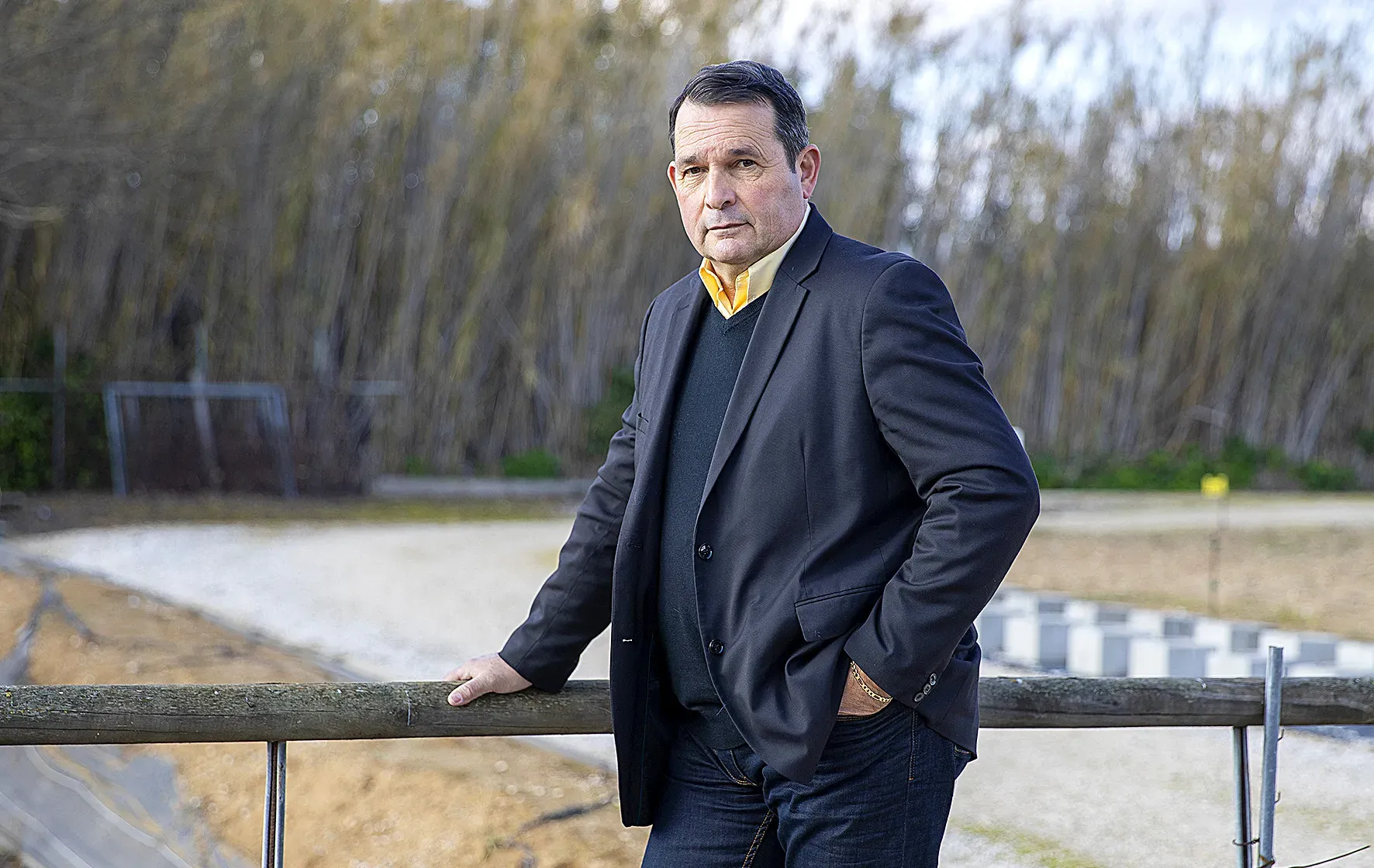
The finding is surprising and fuels a persistent misconception: while the number of cancer cases in France has risen from around 200,000 in 1990 to nearly 400,000 today, the use of phytosanitary products classified as carcinogenic has, at the same time, significantly decreased. "This statistical discrepancy often leads to a hasty conclusion, suggesting that the causes of this explosion of the disease are to be found somewhere other than in agriculture. A finer analysis of the data, however, reveals a much more complex reality, in which demographic and behavioral factors play a major role," warns the Varois trade unionist.
AGING AND LIFESTYLE

"Several structural factors explain this mechanical increase in the number of cancers. First, the French population has grown by about 20% since 1990, increasing the number of potential cases. Second, and this is a major factor, the population has aged. The number of people aged over 65 rose from 8 million to nearly 15 million over the period. However, cancer remains a pathology closely linked to age, with its incidence increasing with life expectancy," notes Max Bauer. Alongside these demographic developments, lifestyles have changed. While the overall decline in tobacco and alcohol consumption represents progress in public health, another scourge has grown significantly: obesity. Its prevalence has tripled, rising from 6% of the population in 1990 to nearly 18% today. Obesity is recognized as a major risk factor for many types of cancer. While phytosanitary products are often singled out, the health situation of farmers, who are nevertheless the most exposed, calls for a more nuanced perspective. Major epidemiological studies, such as the French AGRICAN (AGRIculture & CANcer) cohort, show that farmers have a cancer incidence that is 5% to 7% lower than that of the general population, for all cancer types combined.
SHORT SUPPLY CHAINS
"This apparent paradox is explained by a generally healthier lifestyle: less smoking, a lower rate of overweight, and more physical activity. It is, however, important to note that while their overall risk is lower, farmers are, on the other hand, overexposed to certain specific types of tumors, which are subject to close monitoring. Health agencies confirm that there has been no increase in the general population's overall exposure to pesticide residues since 1990," explains the agricultural trade unionist. "Given this picture, it appears that the main levers for cancer prevention lie beyond the agricultural issue alone. The fight against sedentary lifestyles and obesity, the promotion of a healthy and balanced diet, and the limitation of high-risk consumption (alcohol, tobacco) are the priorities to reverse the trend. Rather than focusing the public debate on French agriculture, the challenge lies in a collective and individual awareness of the impact of our lifestyle habits on our long-term health, by favoring, for example, short supply chains and high-quality local produce," Max Bauer concludes. •
Photo PRESSE AGENCE.