The Greek site of Olbia, a major witness to Mediterranean history
In Hyères, the ancient site of Olbia was highlighted during the 17th European Archaeology Days.
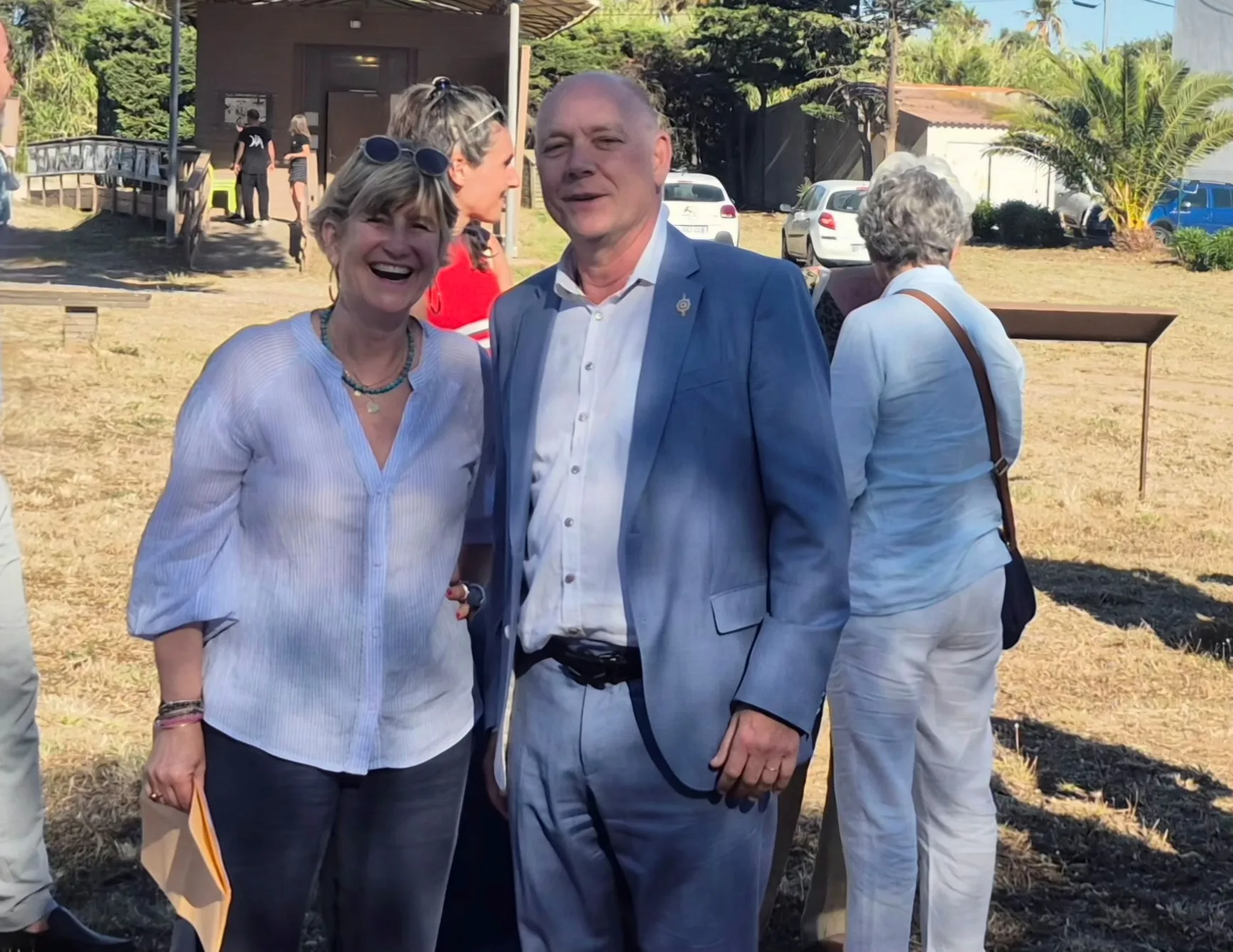
The ancient site of Olbia was at the heart of the 17th European Archaeology Days. The event was enhanced by the presence of the mayor Véronique Bernardini and the MP for the 3rd constituency of Var Stéphane Rambaud.
These days highlighted the exceptional importance of this ancient Greek colony, one of the best-preserved archaeological complexes on the French Mediterranean coast.
“The Blessed One”, more than two millennia of history
Founded around 325 BC by the Massaliotes (Greeks from Marseille), Olbia, whose name means “the Blessed One”, was a strategic and commercial stronghold.
Advertisement
Today, its remarkably preserved remains offer a fascinating plunge into more than a millennium of continuous occupation. Visitors can discover Greek fortifications, Roman-era developments, a network of streets, housing blocks, thermal baths, and sanctuaries.
Ideally positioned facing the sea, overlooking the Giens peninsula and the famous beach of l’Almanarre, the site perfectly illustrates the role of crossroads of civilizations that Provence played in Antiquity. It bears witness to the intense cultural and economic exchanges that shaped the history of the region.
Stéphane Rambaud highlighted the significance of this heritage.
“Olbia represents much more than a simple archaeological site. Its Greek fortifications, its Roman developments, its streets, its sanctuaries, and its numerous structures offer a remarkable testimony of more than a thousand years of human occupation,” he declared.
A living heritage as a stake for the future
The conservation and enhancement of Olbia are the result of a commitment by the Ville d’Hyères, its cultural services, and a community of experts and enthusiasts. As such, the European Archaeology Days constituted a privileged showcase to make the general public discover the treasures of the site and the latest advances in research.
Indeed, these events play an essential role in the transmission of knowledge, especially to younger generations.
“In a constantly evolving world, these cultural events allow us to better understand our roots [...]. Knowledge of the past remains essential to enlighten the future,” the MP insisted.
The success of this event was also an opportunity to pay tribute to the involvement of all the actors who work towards the preservation and animation of heritage.
Advertisement
Scientific teams, local authorities, local associations, cultural institutions, and many volunteers, through their work and passion, ensure the safeguarding of collective memory.
Their commitment guarantees that the history of Olbia continues to be passed down to future generations, affirming that archaeological heritage is a major cultural, educational, and identity asset for the territory of Var and for France.
Preserving the past to enlighten the future
The longevity of the Olbia site relies on continuous efforts. The challenges are multiple: continuing excavation campaigns to enrich knowledge, consolidating remains to protect them from the ravages of time and visitor numbers, and developing innovative educational tools.
A tourist development, respectful of the authenticity and fragility of the site, is also at the heart of concerns.


Article from the paper edition of La Gazette du Var