Mobilisation for the prevention of gynecological cancers
The hôpital Sainte-Musse in Toulon raised public awareness of gynecological cancer prevention during septembre turquoise.
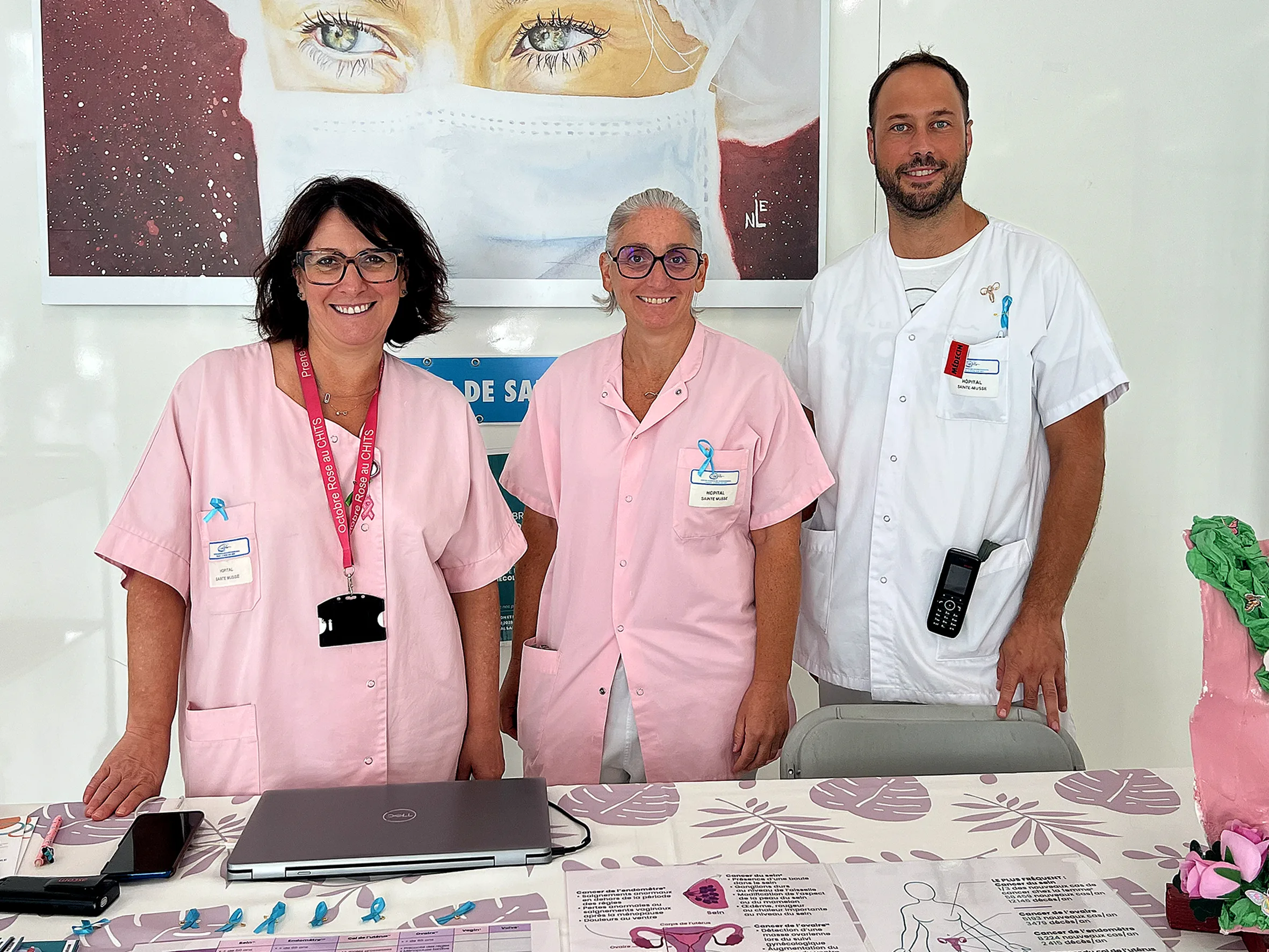
The lobby of the hôpital Sainte-Musse was particularly lively on September 16. As part of the national "Septembre turquoise" campaign, an information stand welcomed users, patients, and visitors who came to discuss cancers of the female reproductive system with healthcare professionals.
This initiative aimed to inform and lift taboos surrounding pathologies that are still too little known. Launched nearly a decade ago, the campaign highlights cancers affecting the cervix, endometrium, ovaries, vagina, or vulva, as well as breast cancer. Prevention and early screening are the most effective weapons to significantly improve the chances of recovery.
A day to speak out freely
This mobilization meets a major public health imperative. Every year in France, more than 8,500 women are diagnosed with gynecological cancer. In response to this, the healthcare team at the hôpital Sainte-Musse created a space for dialogue.
Advertisement
Questions focused on warning symptoms, the various existing screening methods, and the care pathways offered once a diagnosis is made. Healthcare professionals reiterated that cancer detected at an early stage offers better prospects for treatment and remission.
This day helped demystify follow-up examinations and encourage women to become active participants in their health. Beyond this initiative, medical teams insisted on the importance of regular gynecological follow-up at all stages of a woman's life.
The annual appointment, whether with a gynecologist, general practitioner, or midwife, remains a pillar of prevention. These consultations are privileged moments to address all subjects: unexplained pain, menstrual cycle disorders, questions about contraception, or support during menopause. They make it possible to ensure that everything is fine and to detect the slightest anomaly before it becomes problematic.
Listening to your body's signals
The instruction is crucial: one must learn to listen to their body and never ignore its signals. Caregivers emphasize that persistent pain or an unusual symptom must not be trivialized.
If in doubt, the reaction should be to consult a healthcare professional without delay, as this action can make all the difference.
Photo PRESSE AGENCE.